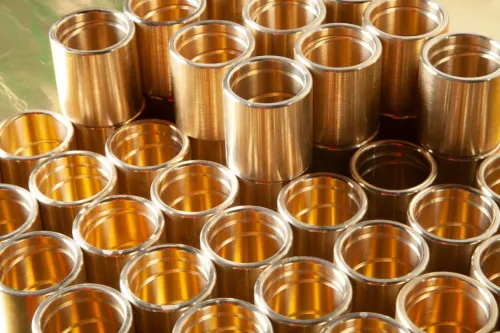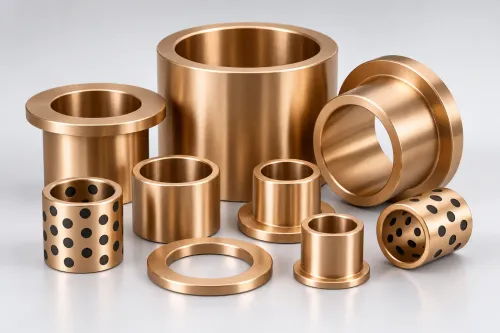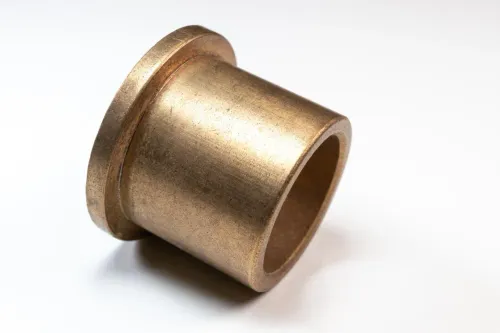
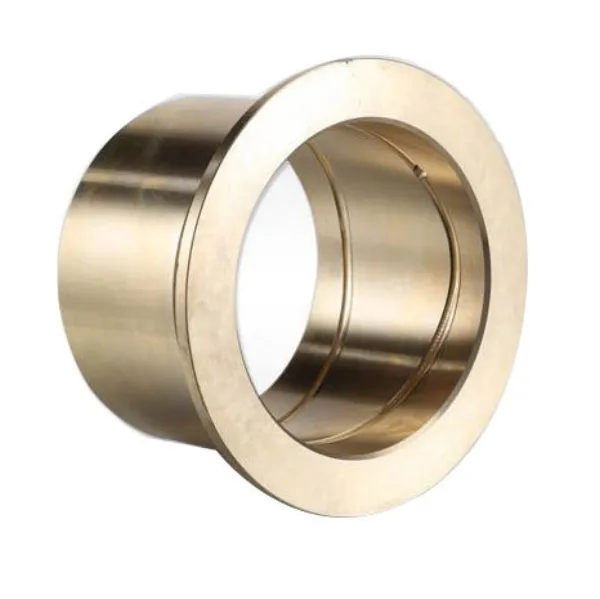
Rolling mills operate under some of the most demanding conditions in manufacturing. Heavy loads, continuous rotation, elevated temperatures, and constant friction place significant stress on every machine component. Among these components, Rolling Mill Bushes play a vital role in supporting shafts, maintaining alignment, and ensuring smooth operation throughout the production cycle.
Whether producing steel, aluminium, copper, or other metal products, the performance of a rolling mill depends on the quality of its bearing components. For procurement managers, plant heads, and maintenance engineers, selecting the right bushes can improve equipment reliability while reducing maintenance-related downtime.
Understanding the Function of Rolling Mill Bushes
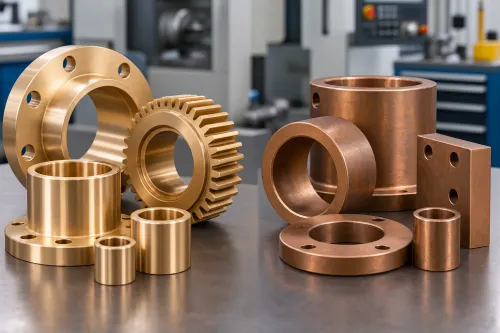
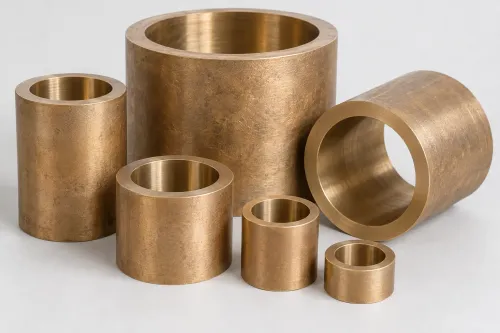
Rolling mill bushes act as bearing surfaces between rotating shafts and stationary housings. Their primary purpose is to reduce friction, absorb loads, and maintain accurate shaft positioning during continuous operation.
Since rolling mills typically operate for extended periods with limited downtime, bushes must withstand:
- High radial loads
- Continuous rotation
- Variable operating temperatures
- Shock loading
- Repetitive stress
- Heavy production cycles
Poor-quality bushes can accelerate wear throughout the machine and increase overall maintenance costs.
Why Material Selection Is So Important
Bushes used in rolling mills are exposed to conditions that demand excellent mechanical performance. The choice of material directly influences service life, operating efficiency, and maintenance frequency.
Non-ferrous alloys are widely preferred because they offer advantages such as:
- Excellent wear resistance
- High compressive strength
- Good load-bearing capacity
- Reduced friction
- Better corrosion resistance
- Reliable machinability
Selecting the correct alloy depends on the operating environment, shaft material, lubrication system, and production requirements.
Common Applications in Metal Processing
Rolling mill bushes are found throughout various stages of metal manufacturing.
Typical applications include:
- Steel rolling mills
- Aluminium processing plants
- Copper rolling facilities
- Tube manufacturing units
- Hot rolling equipment
- Cold rolling mills
- Strip processing lines
- Sheet metal production
- Industrial forging plants
Manufacturing companies in Delhi frequently source precision-engineered bushes for both new installations and scheduled maintenance projects.
Factors Procurement Teams Should Evaluate
Buying replacement bushes based only on dimensions can lead to premature failures. A complete technical evaluation helps ensure compatibility with the operating conditions.
Important considerations include:
- Shaft diameter
- Operating load
- Rotational speed
- Lubrication method
- Working temperature
- Surface finish requirements
- Material grade
- Required machining tolerances
Providing detailed operating information allows manufacturers to recommend suitable materials and manufacturing processes.
Manufacturing Quality Makes a Difference
Even when the correct alloy is selected, manufacturing quality has a significant impact on bush performance.
Reliable production typically involves:
- Controlled raw material selection
- Precision casting
- Heat treatment where required
- Accurate machining
- Dimensional inspection
- Surface finish verification
- Material testing
Maintaining consistency throughout production helps achieve dependable performance across multiple operating cycles.
Warning Signs of Bush Wear
Rolling mill bushes should be inspected regularly to prevent unexpected equipment failures.
Common signs of wear include:
- Increased machine vibration
- Unusual operating noise
- Excessive shaft movement
- Rising operating temperatures
- Lubrication leakage
- Uneven wear patterns
- Reduced production accuracy
Replacing worn bushes before complete failure helps protect shafts, housings, and other expensive machine components.
Benefits of Preventive Replacement
Many industrial facilities now follow preventive maintenance schedules instead of waiting for component failure.
Planned replacement offers several advantages:
- Reduced unplanned downtime
- Improved machine reliability
- Better product quality
- Lower maintenance costs
- Longer equipment life
- Increased production efficiency
A preventive approach also allows maintenance teams to schedule repairs during planned shutdowns rather than emergency stoppages.
Choosing the Right Manufacturing Partner
Industrial buyers should look beyond pricing when selecting a supplier for rolling mill bushes. Technical capability, quality systems, production capacity, and material expertise are equally important.
Experienced manufacturers typically provide:
- Multiple alloy options
- Precision machining
- Consistent dimensional accuracy
- Material traceability
- Inspection documentation
- Custom manufacturing capabilities
Kamal Deep Metal Works Pvt Ltd, based in Delhi, manufactures non-ferrous metal components for heavy engineering industries, including rolling mill applications. By combining suitable alloy selection with precision manufacturing and rigorous quality control, the company supports industrial customers seeking durable components for demanding production environments.
As rolling mills continue to operate under increasingly demanding production targets, investing in high-quality rolling mill bushes remains an important step toward improving equipment reliability, reducing maintenance interruptions, and achieving consistent long-term operational performance.
Keywords