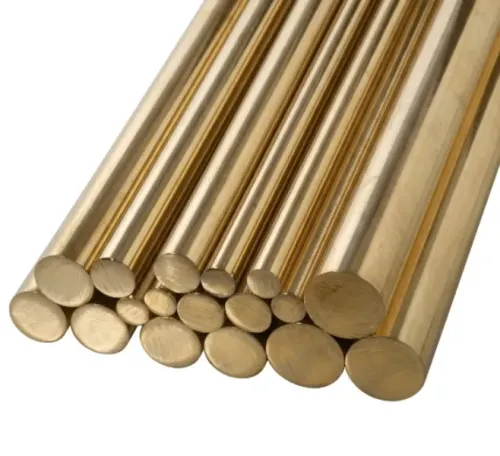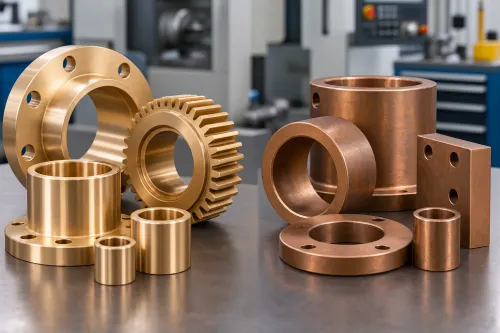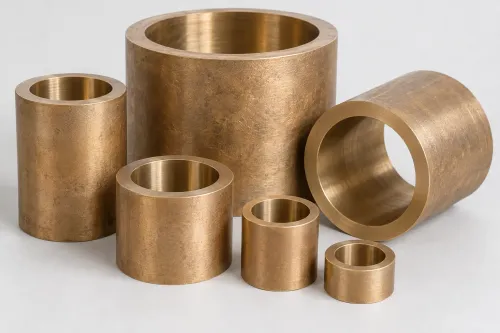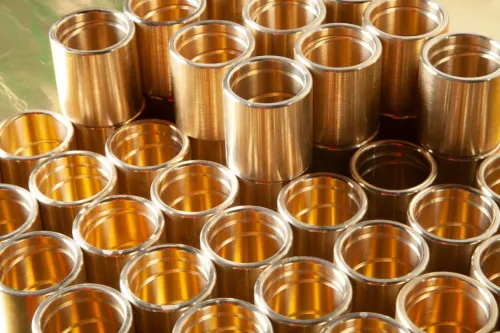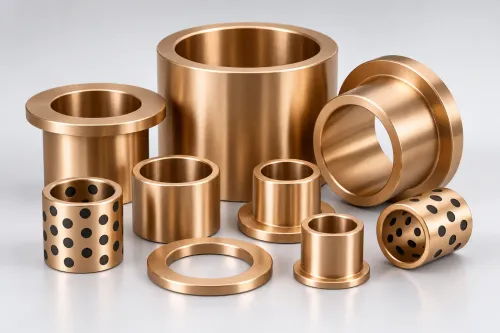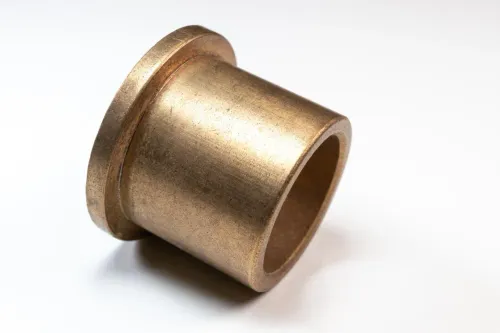
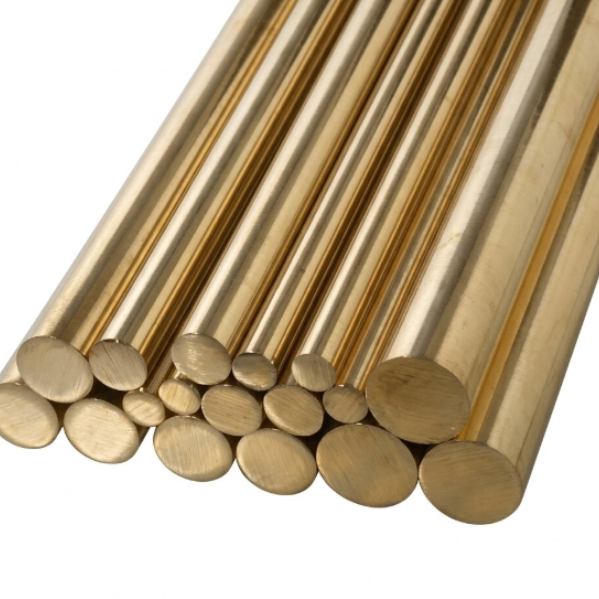
Heavy-duty equipment demands components that can tolerate substantial loads, wear, repeated operation, and sometimes corrosive conditions. This is why Aluminium Bronze for Heavy Duty Applications is considered for many engineered parts. Yet selecting the strongest available alloy is not always the right procurement strategy.
The objective is to match the alloy to the actual duty of the component.
What Does Heavy Duty Really Mean?
'Heavy duty' can describe several different operating conditions.
One machine may experience high static load. Another may encounter impact and shock loading. A third may operate continuously under moderate load but severe wear.
Before specifying a material, define what makes the application demanding.
Important factors include:
- Static load
- Dynamic or cyclic load
- Impact
- Sliding or abrasive wear
- Operating speed
- Temperature
- Corrosion exposure
- Lubrication
- Required service interval
This converts a broad purchasing description into a useful engineering requirement.
Why Aluminium Bronze Is Considered
Certain aluminium bronze grades can provide a combination of strength, wear resistance, and corrosion resistance suited to demanding service.
Depending on grade and design, the material may be considered for gears, bushes, bearings, valve parts, wear components, heavy machinery parts, and other industrial castings.
The correct grade depends on the application. Aluminium bronze is a family of alloys rather than a single universal material.
The Risk of Over-Specification
Procurement teams sometimes assume that a higher material specification always means a more reliable component.
That can create unnecessary cost.
A component does not benefit from properties that its service conditions never require. Higher alloy cost, additional manufacturing considerations, or more demanding machining can increase the total purchase cost.
Over-specification can occur when:
- A material is copied from an unrelated application.
- Maximum strength is selected without considering wear.
- Corrosion resistance is specified where exposure is negligible.
- An expensive grade is chosen without reviewing operating data.
- Historical specifications are repeated without checking present conditions.
Good engineering aims for sufficient performance with an appropriate safety margin rather than excessive specification.
The Opposite Problem Is Under-Specification
Choosing material mainly on initial price can be equally problematic.
If a component experiences repeated wear, deformation, or corrosion, a cheaper alloy can result in more frequent shutdowns and replacements.
For a plant, the true cost can include:
- Replacement components
- Maintenance labour
- Lost production
- Emergency procurement
- Damage to mating components
- Inventory requirements
Lifecycle considerations therefore belong in the buying decision.
A Practical Evaluation Method
Begin with the existing component if one is available.
Review its material, operating history, wear pattern, service life, and failure mode. If it has performed reliably, the existing specification provides a useful reference.
If it has failed prematurely, determine why before changing materials.
Next, provide the casting manufacturer with a drawing, required alloy specification, dimensions, quantity, machining requirement, and relevant service conditions.
Kamal Deep Metal Works Pvt Ltd works with industrial bronze and aluminium bronze casting requirements for buyers in Delhi and other markets. Detailed application information can help clarify whether a specified alloy and manufacturing route correspond to the intended component.
Consider Manufacturing Alongside Material
Material properties alone do not determine component quality.
Casting integrity, dimensional control, machining, heat treatment where applicable, and inspection all influence the finished part.
For OEM procurement, repeatability between batches may also be important. Specifications should therefore address both material and manufacturing requirements.
Make the Decision Around Duty
A suitable aluminium bronze component is one whose alloy properties, geometry, manufacturing method, and finish correspond to the service requirement.
For Delhi NCR OEMs and industrial maintenance teams, this approach can also make supplier quotations easier to compare because each manufacturer is responding to a clearer specification.
Choosing Aluminium Bronze for Heavy Duty Applications should therefore begin with the duty itself. Define the load, wear, environment, temperature, and expected service life, then specify the alloy accordingly. This helps avoid both costly over-engineering and performance problems caused by selecting a material that is not adequate for the job.
Keywords