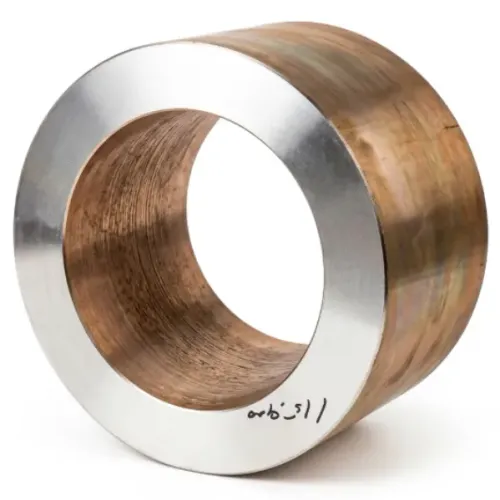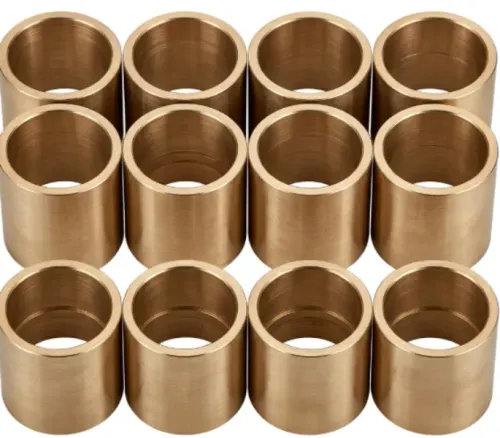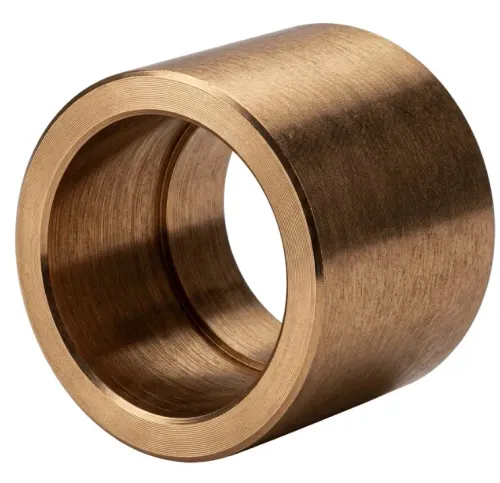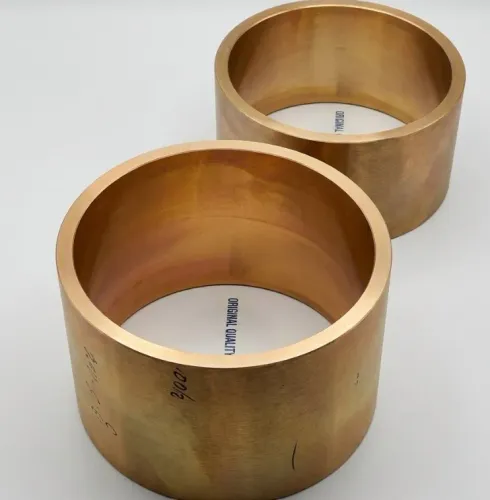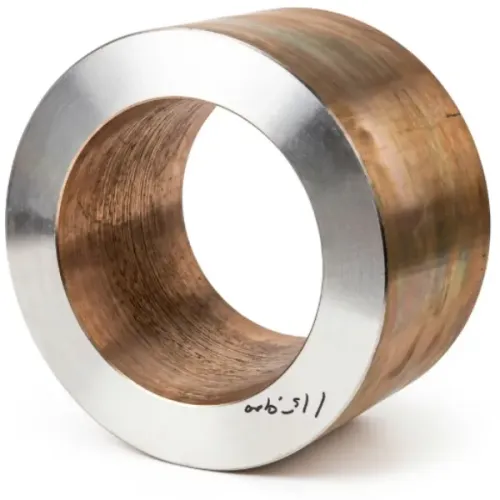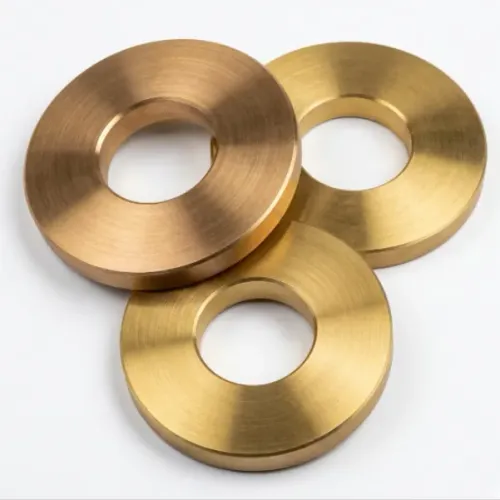
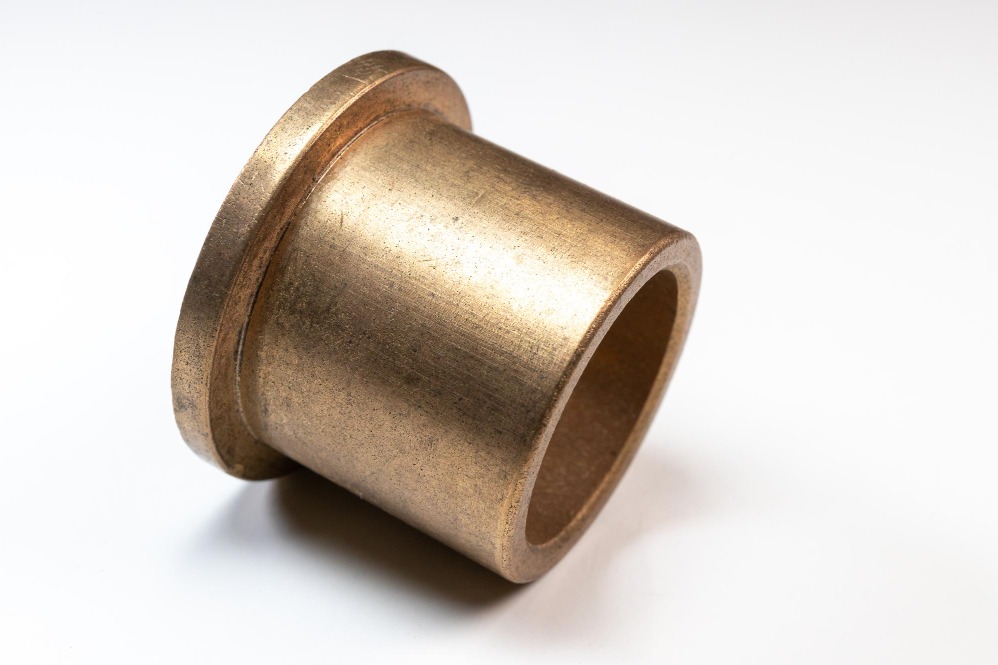
Industrial components such as bushes, sleeves, bearings, rings, and wear parts often operate under demanding mechanical conditions. Their performance depends not only on the bronze alloy selected but also on how the component is cast. Bronze centrifugal casting is widely used when buyers require dense, dependable cylindrical components with consistent metallurgical properties.
For OEM manufacturers, maintenance teams, and industrial procurement professionals in Delhi and across the wider NCR manufacturing region, understanding this casting method can make material and supplier evaluation more effective.
How Bronze Centrifugal Casting Works
Centrifugal casting involves pouring molten bronze into a rotating mould. As the mould spins, centrifugal force distributes the molten metal against the mould wall.
The casting solidifies while rotation continues. This process is particularly suitable for hollow and cylindrical shapes, making it useful for producing bushes, sleeves, liners, rings, and similar engineering components.
One important characteristic of the process is the way solidification takes place. The rotational force helps create a dense structure while certain lighter impurities tend to migrate toward the inner diameter, where machining allowances can permit their removal.
Why Engineers Choose the Process
A bronze component may look straightforward on a drawing, but internal material quality can have a significant effect on service performance.
Centrifugal casting is valued for several practical reasons:
- Dense casting structure
- Good mechanical integrity
- Suitability for cylindrical components
- Efficient production of hollow sections
- Controlled machining allowances
- Potential reduction in internal casting imperfections
- Flexibility across different bronze alloy grades
For components exposed to sliding contact, pressure, repeated movement, or heavy mechanical loads, these characteristics can be important.
Where Centrifugally Cast Bronze Is Used
The process has applications across several industrial sectors. Depending on the alloy specification and design, centrifugally cast bronze components may be used in:
- Pumps and valves
- Heavy machinery
- Gear assemblies
- Marine equipment
- Industrial bearings
- Hydraulic systems
- Steel and process plants
- Mining equipment
- General engineering machinery
The correct material grade still matters. Centrifugal casting is a manufacturing method rather than a substitute for proper alloy selection.
Casting Quality Is Only Part of the Requirement
Industrial buyers should avoid evaluating a casting only by appearance.
A suitable component must satisfy several parameters simultaneously, including chemical composition, dimensions, machining allowance, mechanical requirements, and application conditions.
Before placing an order, procurement teams should communicate information such as:
- Required alloy grade
- Component dimensions
- Finished or rough-machined condition
- Quantity
- Operating environment
- Relevant drawings or specifications
- Inspection and testing requirements
Clear technical information reduces ambiguity during manufacturing and quotation.
Why Delhi Buyers Need Specification-Based Sourcing
Delhi serves a broad industrial market connected with manufacturing clusters throughout Delhi NCR and neighbouring northern Indian states. Buyers may therefore source cast components for original equipment, maintenance requirements, replacement parts, or project-based manufacturing.
Kamal Deep Metal Works Pvt Ltd manufactures non-ferrous cast components for industrial requirements, including bronze and aluminium bronze products. For procurement teams, the important consideration is whether the manufacturing route, alloy, dimensions, and inspection requirements correspond to the actual application.
A technically appropriate casting begins with a clearly defined engineering requirement.
What to Check Before Finalising a Bronze Casting
Before approving a bronze centrifugal casting requirement, verify the drawing dimensions, alloy designation, service conditions, machining requirement, quantity, and applicable testing criteria.
It is also useful to determine whether the component will experience continuous sliding, intermittent movement, high load, corrosion, heat, or a combination of these conditions.
These details influence both material selection and manufacturing decisions.
Bronze centrifugal casting can provide an effective manufacturing route for many cylindrical industrial components, but its real value comes from matching the process and alloy to the component's operating demands. Buyers who begin with accurate specifications are better positioned to achieve reliable component quality and consistent procurement outcomes.
Keywords