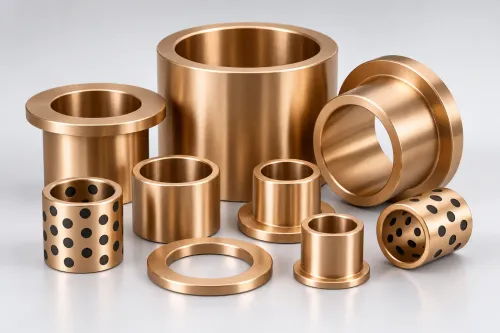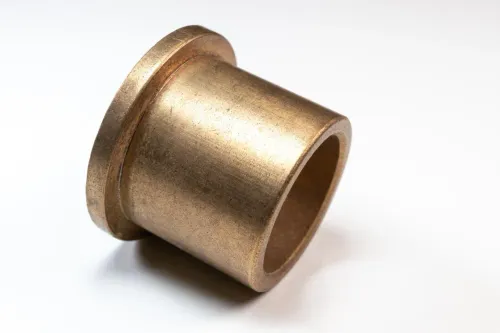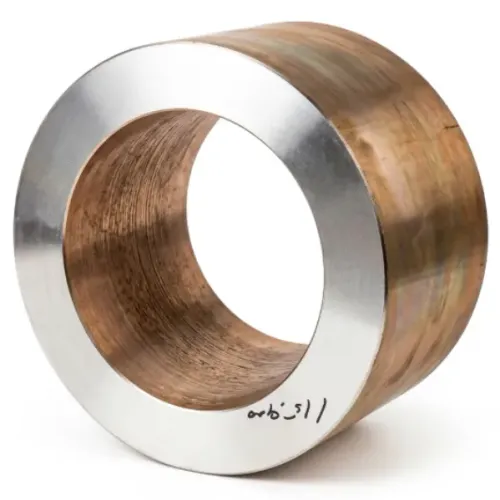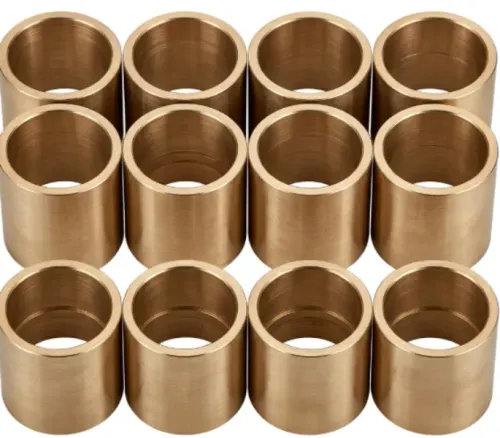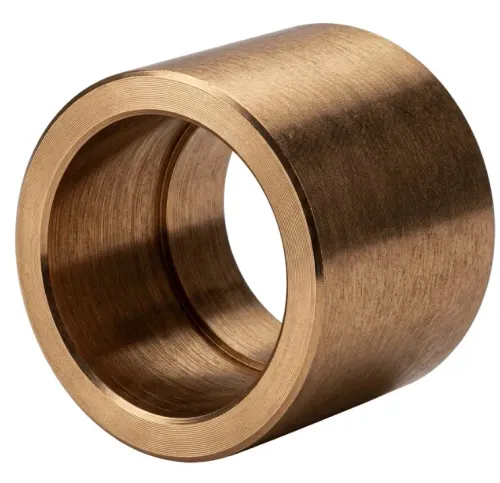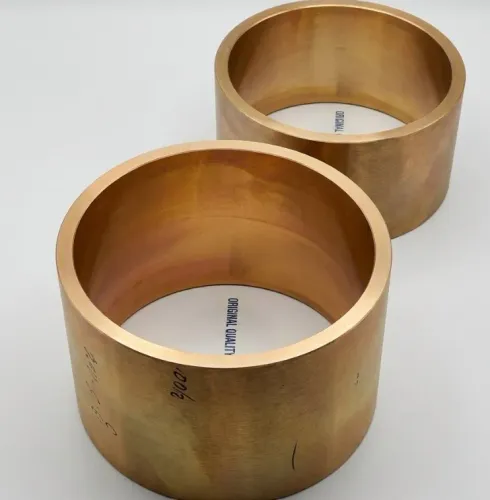
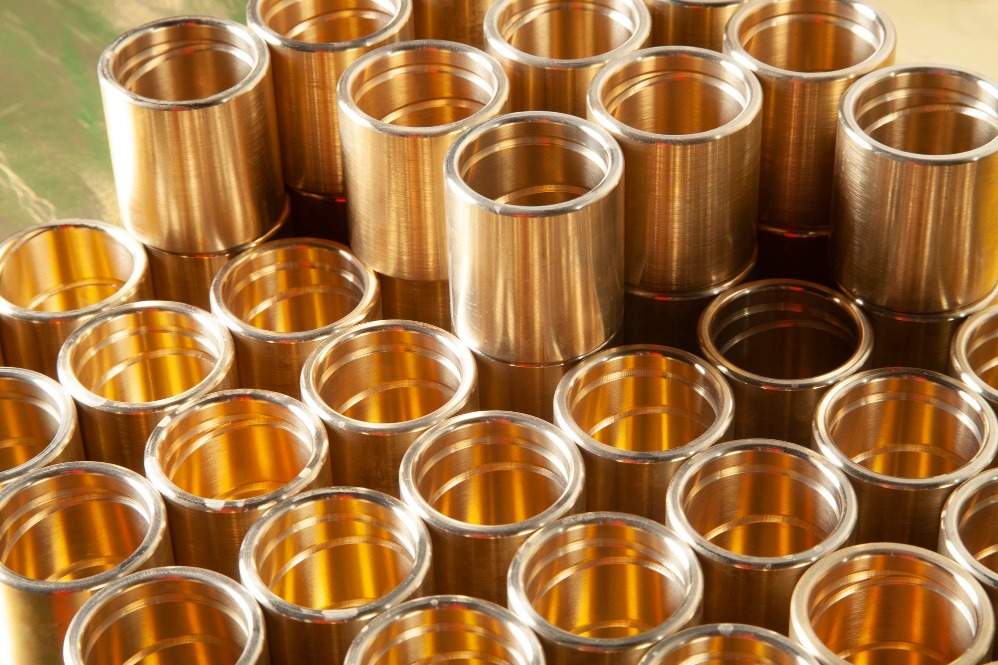
Some industrial environments place several demands on a component at the same time. A casting may need mechanical strength while also operating around water, chemicals, elevated loads, or challenging service conditions. Nickel Aluminum Bronze Castings are used for applications where this combination of properties makes the alloy technically appropriate.
Understanding the material helps procurement teams distinguish it from conventional bronze grades and identify situations where its additional capabilities may be justified.
What Is Nickel Aluminum Bronze?
Nickel aluminium bronze belongs to a family of copper-based alloys in which aluminium is a major alloying element, with nickel and other elements included according to the required grade.
Its engineering value comes from the balance of mechanical and corrosion-related properties that properly specified grades can provide.
Nickel aluminium bronze is therefore considered for components operating in demanding industrial and marine environments.
Typical Application Areas
Depending on the grade, design, and service conditions, nickel aluminium bronze castings may be used for components such as:
- Pump parts
- Valve components
- Bushes and bearings
- Gears
- Marine engineering parts
- Propulsion-related components
- Wear components
- Heavy-duty equipment parts
- Process-industry components
Material selection should always consider the complete environment rather than relying on the reputation of the alloy family.
Why Corrosion Conditions Need Careful Review
Corrosion is not a single operating condition.
A component exposed to seawater faces different challenges from one exposed to industrial water, chemicals, atmospheric moisture, or process fluids. Temperature, flow velocity, contamination, and galvanic interaction with adjacent metals can also influence behaviour.
For this reason, specifying 'corrosion resistant bronze' without defining the environment gives a manufacturer insufficient information.
Buyers should identify the fluid or atmosphere, operating temperature, flow conditions, and other relevant exposure details whenever possible.
Strength Is Another Important Consideration
Certain nickel aluminium bronze grades provide higher strength than many traditional copper alloys, making them useful when components must withstand substantial mechanical loading.
However, greater nominal strength does not automatically make a material suitable for every part.
Engineers must still consider:
- Static and dynamic loads
- Wear mechanisms
- Impact conditions
- Operating temperature
- Corrosion exposure
- Component geometry
- Manufacturing method
A balanced evaluation is more useful than selecting an alloy based on one property.
Casting Method and Quality Control
The final performance of an alloy component depends on more than chemical composition.
Casting procedure, process control, heat treatment where applicable, machining, dimensional inspection, and material verification can all influence the supplied component.
For critical procurement, buyers may specify relevant inspection or testing requirements as part of the enquiry. This avoids uncertainty later in the order cycle.
Considerations for Delhi Industrial Buyers
Delhi and the surrounding NCR region support OEMs, engineering companies, maintenance operations, infrastructure suppliers, and industrial procurement networks. Some buyers require one-off replacement castings, while others need repeat quantities for manufacturing programmes.
In either situation, detailed technical communication is important.
Kamal Deep Metal Works Pvt Ltd manufactures non-ferrous components for industrial requirements. Buyers evaluating nickel aluminium bronze should provide the required grade, drawing, dimensions, quantity, machining status, and application conditions so the manufacturing requirement can be assessed accurately.
When Is Nickel Aluminium Bronze Worth Considering?
The material is most relevant when its combination of properties addresses a genuine engineering requirement.
If an application involves significant mechanical loading together with a challenging corrosive environment, nickel aluminium bronze may merit evaluation. For less demanding service, another copper alloy could potentially satisfy the requirement more economically.
The objective should not be to select the most sophisticated alloy available. It should be to select the material whose properties appropriately correspond to the operating conditions.
Nickel Aluminum Bronze Castings have an established place in demanding engineering applications because they can combine useful mechanical and corrosion-related characteristics. Their successful use, however, begins with precise grade selection, controlled manufacturing, and a clear understanding of the component's actual service environment.
Keywords