Choosing between Aluminium Bronze Material and conventional tin-based bronze is not simply a matter of deciding which alloy is 'better.' The two material families have different compositions and performance characteristics, making each suitable for different engineering conditions.
For procurement managers and OEM teams, comparing the operating requirement first is far more useful than comparing alloy names.
The Basic Material Difference
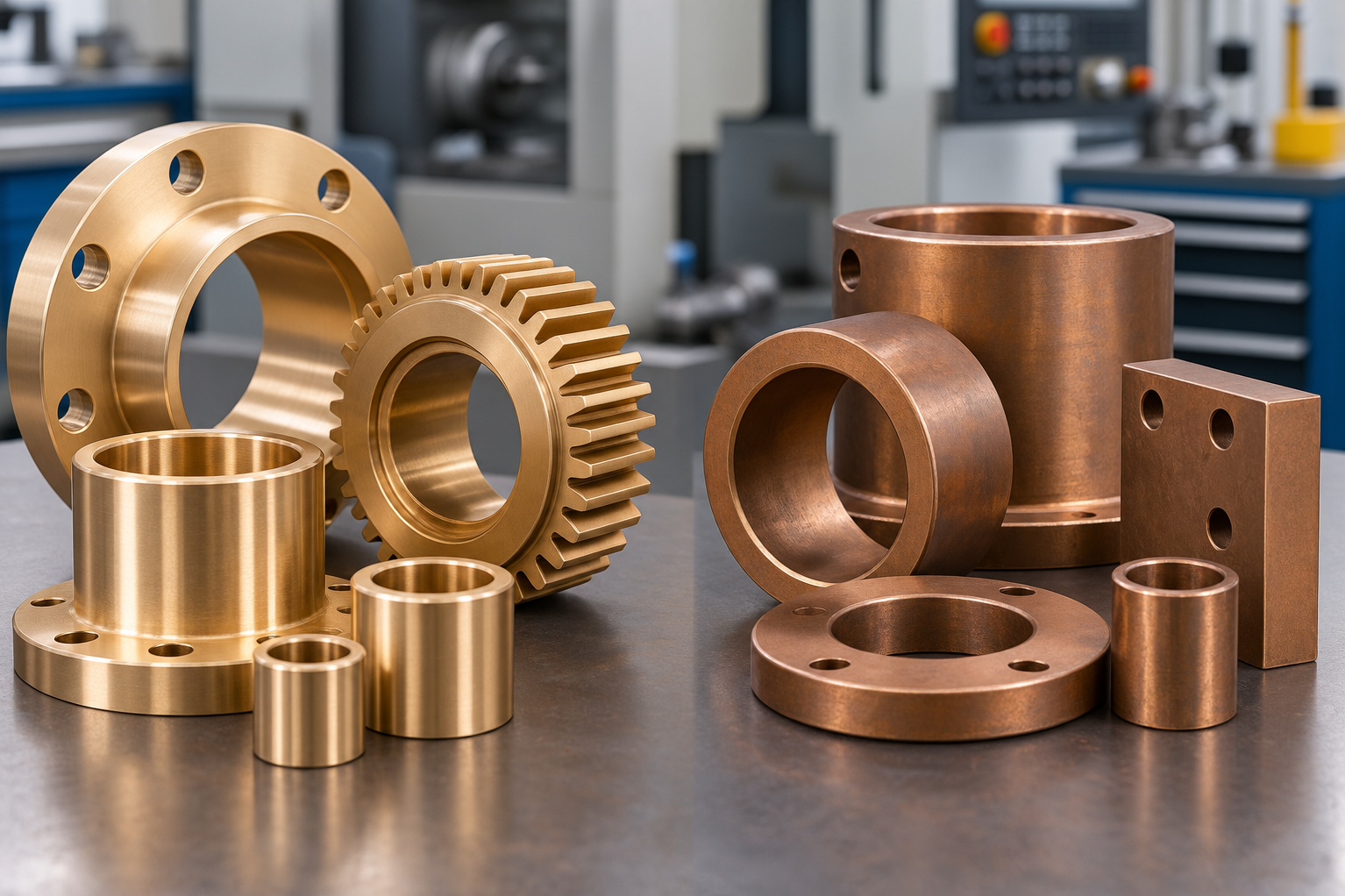
Traditional bronze commonly refers to copper-tin alloys, although 'bronze' covers a broad family of copper alloys.
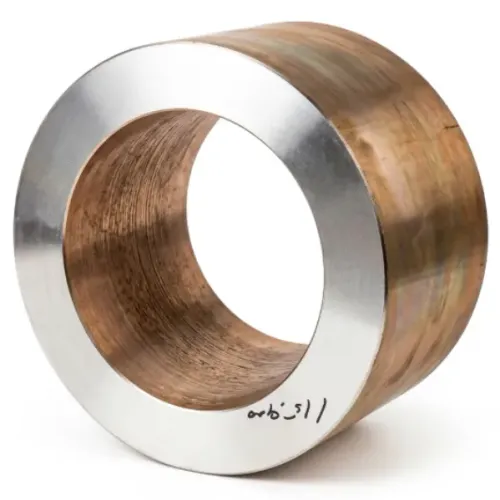
Aluminium bronze primarily uses aluminium as an important alloying element with copper. Depending on the grade, additional elements may be present to achieve particular mechanical or corrosion-related properties.
That difference in chemistry affects strength, wear behaviour, corrosion performance, manufacturability, and suitability for particular applications.
Where Aluminium Bronze Has an Advantage
Properly selected aluminium bronze grades can provide an attractive combination of mechanical strength and corrosion resistance.
This makes them candidates for demanding components in industries involving heavy machinery, pumps, valves, marine equipment, process plants, and other engineering systems.
The material may be worth evaluating when a component faces:
- Significant mechanical loading
- Wear
- Corrosive exposure
- Demanding industrial service
- A need for stronger copper-alloy components
Not every aluminium bronze grade provides identical performance, so grade selection remains essential.
Where Other Bronze Grades Remain Useful
Tin bronze and phosphor bronze continue to be important engineering materials, particularly in bearing, bushing, sliding, and wear applications.
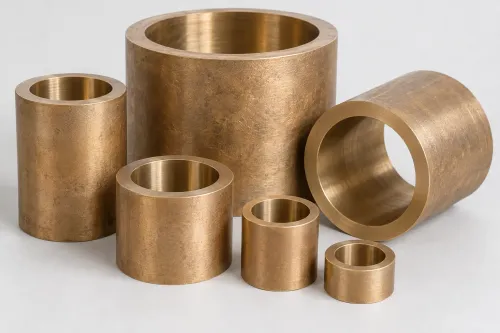
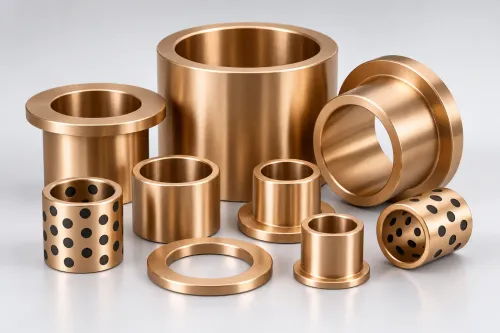
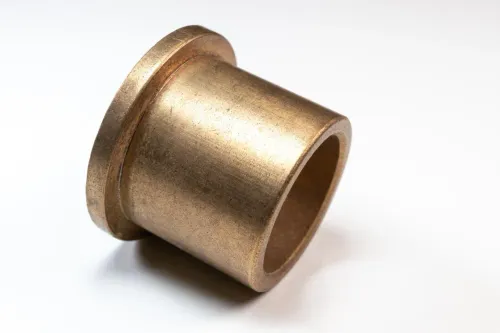
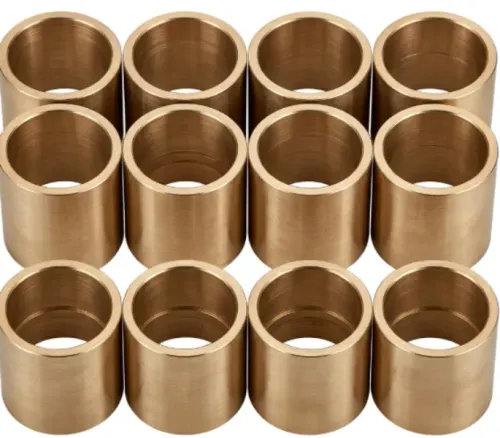
A phosphor bronze bush, for example, may be entirely appropriate for a particular bearing application without requiring the characteristics of aluminium bronze.
Changing to a higher-strength material unnecessarily can increase cost without solving a meaningful engineering problem.
Cost Should Be Viewed in Context
Material price is important in industrial procurement, but component cost should be evaluated alongside machining, maintenance frequency, downtime, replacement intervals, and failure consequences.
Suppose a less expensive material requires frequent replacement in a demanding application. Its initial purchase price may look attractive while its operating cost is less favourable.
Conversely, specifying a premium alloy where the operating conditions do not require it can unnecessarily increase procurement cost.
The economical material is the one that provides appropriate performance for the application at a reasonable lifecycle cost.
What Delhi OEMs Should Include in an Enquiry
Manufacturers and engineering companies in Delhi NCR often procure castings for new production, replacement programmes, and customised equipment.
A material enquiry should ideally include:
- Drawing or dimensional details
- Required alloy grade
- Quantity
- Casting or machining condition
- Operating environment
- Mechanical requirements where specified
- Inspection and certification expectations
Kamal Deep Metal Works Pvt Ltd works with bronze and aluminium bronze casting requirements for industrial applications. A detailed enquiry gives the manufacturer a stronger basis for assessing material and manufacturing requirements than a request based only on component name.
Making the Final Choice
Select aluminium bronze when its particular mechanical, wear, or corrosion characteristics are justified by service conditions. Select phosphor bronze or another copper alloy when its bearing and operating properties better fit the component.
Where an existing component has performed successfully, its specified material and service history provide valuable evidence. Where repeated failures occur, investigate the actual failure mechanism before changing alloys.
Aluminium Bronze Material offers important capabilities for demanding industrial components, but material selection should always be an engineering decision. Comparing load, wear, corrosion, temperature, manufacturing requirements, and lifecycle expectations provides a much stronger basis for choosing between aluminium bronze and other bronze families.
Keywords