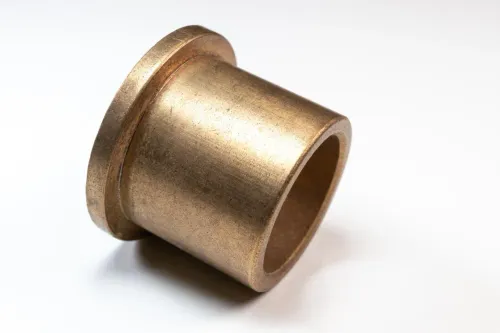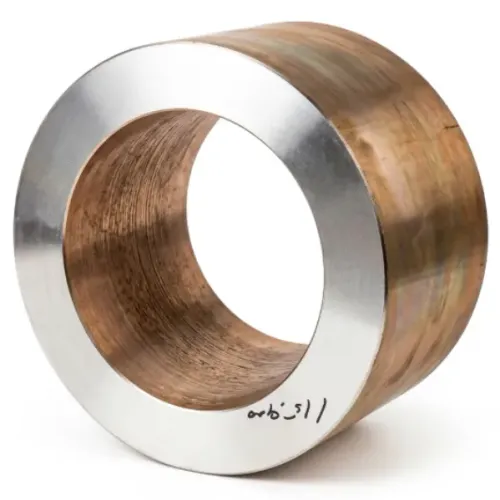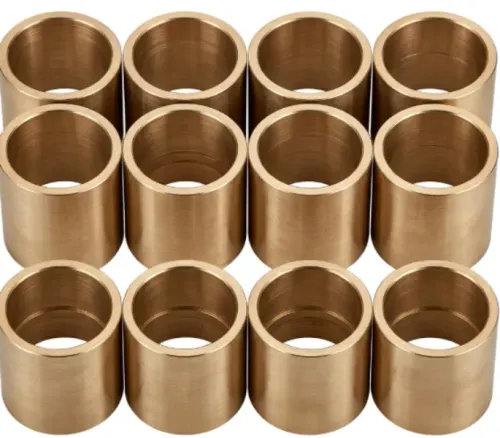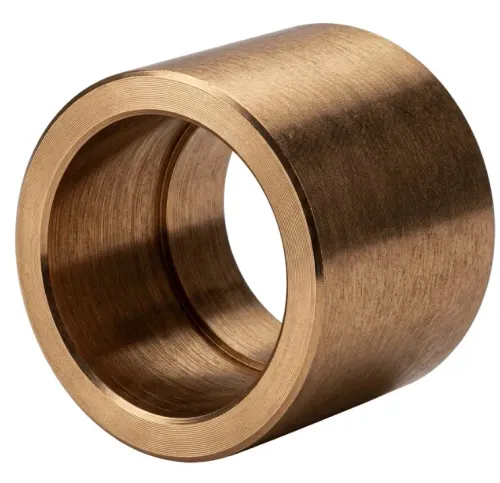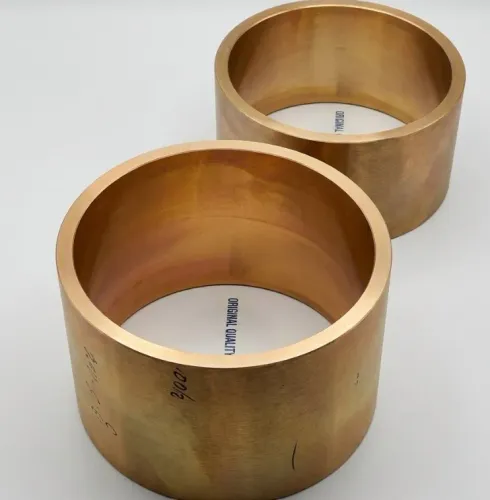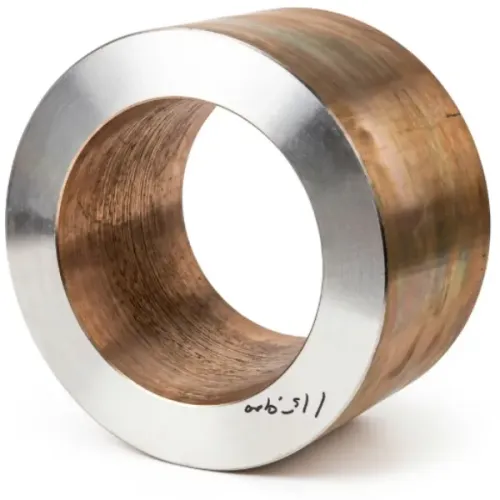
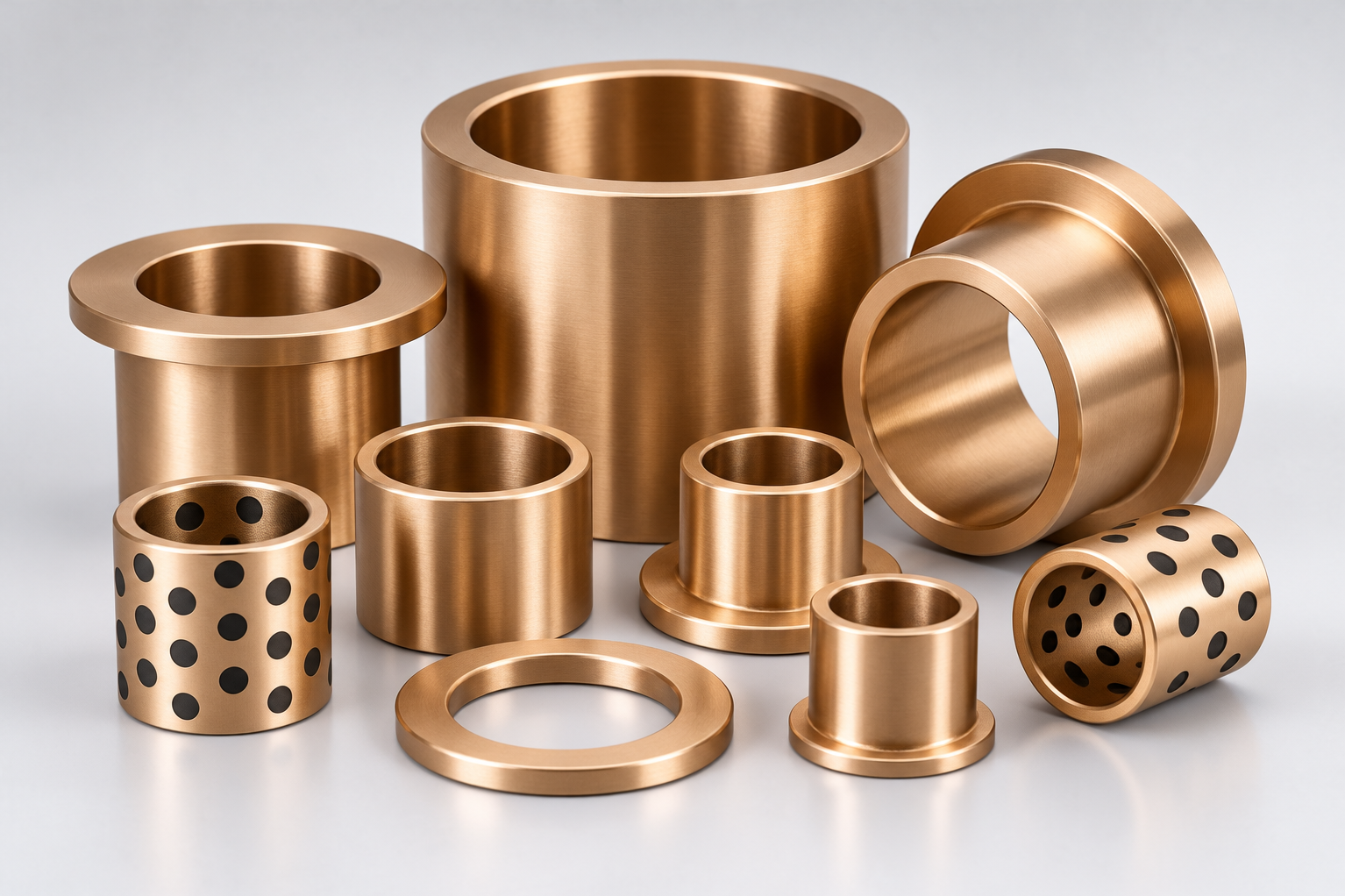
Bushes may be relatively small components, but their influence on machinery performance can be substantial. They provide a bearing surface between moving parts, support shafts, reduce direct metal-to-metal contact, and help manage wear. Phosphor bronze bushes are therefore used in many engineering applications where dependable sliding and bearing characteristics are required.
For industrial buyers and OEMs in Delhi, understanding why phosphor bronze is selected helps prevent the common mistake of treating every bronze bush as interchangeable.
What Is Phosphor Bronze?
Phosphor bronze generally refers to copper-tin alloys containing a controlled addition of phosphorus. Exact composition varies according to the specified grade and intended application.
The combination can provide useful engineering characteristics such as wear resistance, strength, fatigue performance, and favourable friction behaviour.
These properties explain why phosphor bronze is considered for bushes, bearings, gears, thrust components, wear plates, and other moving-machine parts.
Why Bush Material Matters
A bush operates at an interface where motion, load, lubrication, alignment, temperature, and contamination can interact.
Choosing a bush solely by dimensions overlooks these operating factors.
Phosphor bronze may be considered where an application requires:
- Good resistance to wear
- Reliable bearing behaviour
- Strength under mechanical loading
- Resistance to repeated movement
- Appropriate corrosion resistance for the environment
- Machinability to required tolerances
The correct choice depends on the specific alloy grade rather than the broad material name alone.
Common Applications
Phosphor bronze bushes can be found in many types of equipment, including industrial machinery, pumps, gear systems, machine tools, material-handling equipment, process machinery, and general engineering assemblies.
Consider a shaft rotating or oscillating inside a housing. Without a suitable bearing interface, direct contact between major machine components can accelerate wear. A correctly designed bush provides a replaceable working surface and can help protect more expensive surrounding components.
That makes bush selection a maintenance issue as well as a design issue.
Questions to Answer Before Ordering
Before sourcing a phosphor bronze bush, engineers should establish the actual working requirement.
Useful questions include:
- What shaft diameter must the bush accommodate?
- What load will it carry?
- Is movement rotational, oscillating, or linear?
- What lubrication arrangement is available?
- What operating temperature is expected?
- Is corrosion exposure present?
- What dimensional tolerances are required?
- Is the component required as-cast, rough-machined, or finished?
Providing these details gives the manufacturer a clearer basis for reviewing the requirement.
Why Premature Material Substitution Can Cause Problems
When replacement components are required quickly, buyers may be tempted to select another bronze grade simply because dimensions appear identical.
That approach can introduce risk.
Different copper alloys can behave differently under load, friction, temperature, and corrosive conditions. A substitution should therefore be evaluated against the engineering requirement rather than accepted purely on availability.
For maintenance departments in Delhi and nearby industrial areas, retaining the original drawing, material specification, and service history can make repeat procurement more reliable.
Manufacturing Quality Also Matters
Even an appropriate alloy can underperform if casting quality or dimensional control is inadequate.
Industrial buyers should consider the complete component requirement, including material composition, casting integrity, machining allowance, bore and outside diameter, length, tolerances, and inspection expectations.
Kamal Deep Metal Works Pvt Ltd works with non-ferrous casting requirements for industrial applications. When discussing phosphor bronze components with a manufacturer, providing complete dimensional and operating information is more useful than requesting a bush only by approximate size.
Building a Better Bush Specification
A practical purchase specification can include the material grade, drawing number, finished dimensions, tolerances, quantity, machining condition, inspection requirements, and intended application.
Where the bush is replacing a failed component, information about the failure can also be valuable. Uneven wear, scoring, cracking, overheating, or premature dimensional loss may indicate that the issue involves lubrication, alignment, shaft condition, or material selection rather than the bush alone.
Phosphor bronze bushes perform an important mechanical role, and their selection deserves the same engineering discipline applied to larger machine components. A well-defined requirement helps ensure that material, manufacturing method, and dimensions work together for the intended service conditions.
Keywords