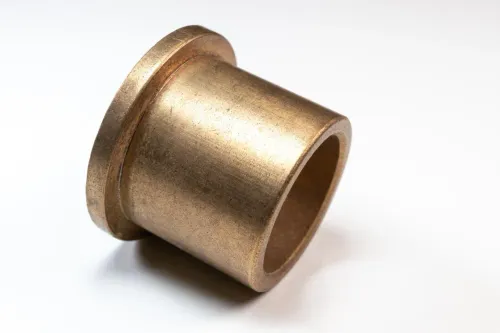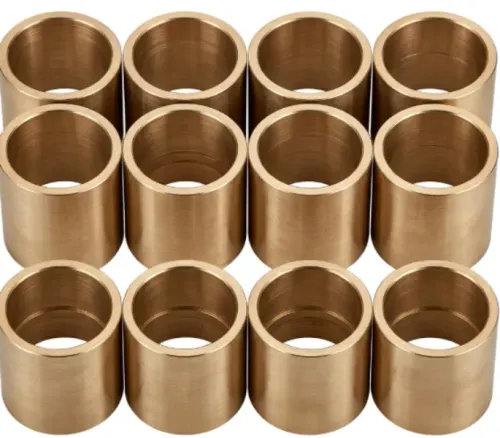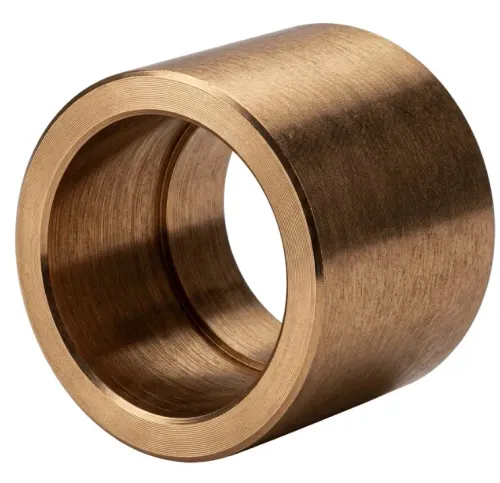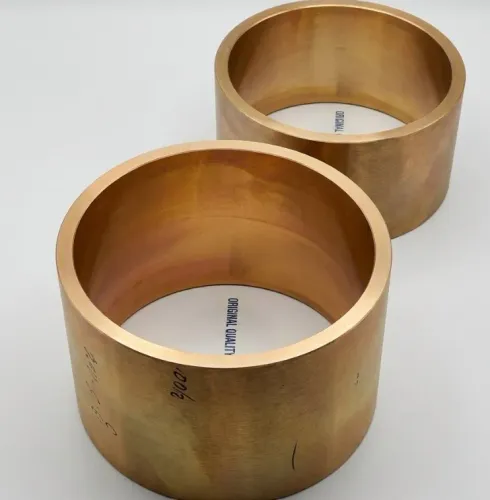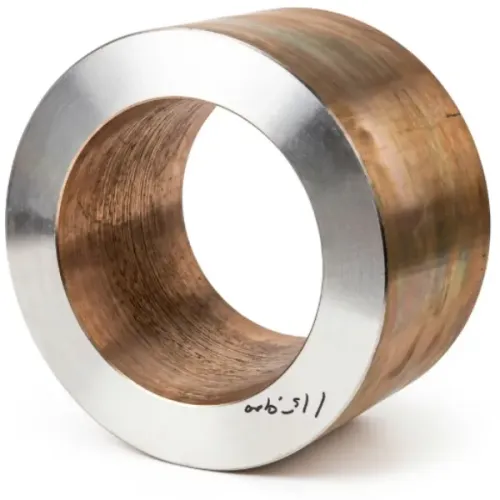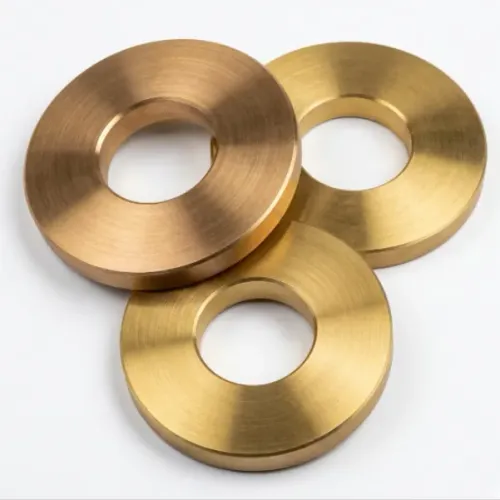
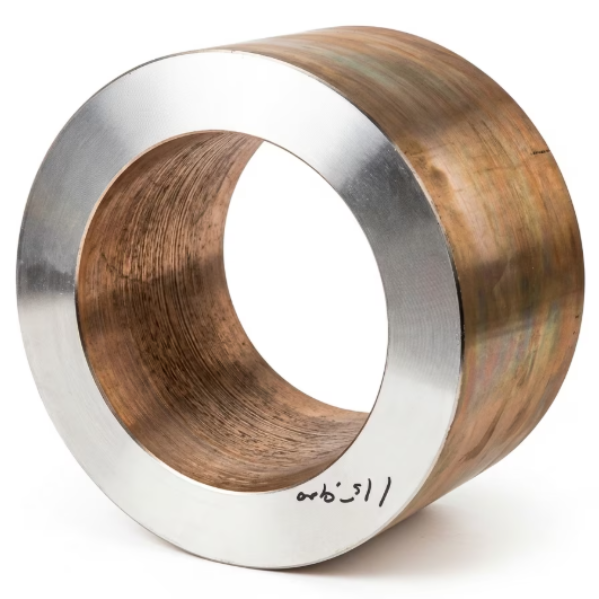
Industrial buyers often evaluate multiple suppliers before placing an order for Bronze Centrifugal Castings. While price is an important consideration, it should never be the only deciding factor. The quality of the casting, manufacturing process, inspection standards, and technical expertise all influence how the component performs once installed.
For OEM manufacturers, procurement managers, export buyers, and maintenance engineers, choosing the right manufacturing partner can reduce production risks, improve equipment reliability, and lower long-term operating costs.
Understand Your Application Requirements First
Every bronze casting is designed for a specific operating environment. Before requesting a quotation, buyers should prepare detailed technical information about the application.
Useful information includes:
- Component drawing
- Required dimensions
- Material specification
- Operating load
- Shaft size
- Rotational speed
- Working temperature
- Lubrication method
- Quantity required
Providing complete specifications helps manufacturers recommend the most suitable alloy and production process.
Evaluate the Manufacturing Process
The quality of centrifugal castings depends heavily on how they are produced. A well-controlled manufacturing process results in denser castings with fewer internal defects and improved mechanical properties.
When assessing a manufacturer, ask about:
- Raw material sourcing
- Alloy composition control
- Melting practices
- Centrifugal casting equipment
- Machining facilities
- Heat treatment capability where applicable
- Inspection procedures
Manufacturers that manage the complete production process generally deliver more consistent quality.
Check Alloy Expertise
Different industrial applications require different bronze alloys. Selecting the wrong grade may reduce service life or affect machine performance.
Common bronze alloys are chosen based on factors such as:
- Wear resistance
- Load-bearing capacity
- Corrosion resistance
- Friction characteristics
- Machinability
- Fatigue strength
An experienced manufacturer should be able to recommend the most suitable alloy after reviewing the operating conditions.
Confirm Precision Machining Capability
Many centrifugal castings require finish machining before installation. Accurate dimensions are essential for proper shaft alignment and reliable operation.
Look for manufacturers with:
- CNC machining centres
- Precision measuring equipment
- Experienced machining personnel
- Tight dimensional control
Consistent machining quality helps reduce installation problems and improves component life.
Review Quality Assurance Standards
Reliable suppliers follow systematic inspection procedures throughout production rather than relying only on final inspection.
Quality checks often include:
- Chemical composition testing
- Dimensional verification
- Mechanical property testing
- Surface finish inspection
- Visual examination
- Material traceability
Requesting quality documentation can provide additional confidence, especially for components used in critical industrial machinery.
Assess Industry Experience
Experience in serving multiple industries often reflects a manufacturer's ability to meet varied technical requirements.
Bronze centrifugal castings are widely used in:
- Steel plants
- Sugar mills
- Cement factories
- Marine engineering
- Mining equipment
- Power generation
- Textile machinery
- Heavy engineering
- Material handling systems
Industrial manufacturers in Delhi frequently source these components for both production equipment and maintenance requirements.
Consider Production Capacity and Delivery
Timely delivery is often as important as manufacturing quality. Production delays can affect equipment installation schedules and planned maintenance shutdowns.
Before placing an order, discuss:
- Standard lead times
- Batch production capability
- Custom manufacturing options
- Repeat order consistency
- Packaging methods
- Dispatch planning
A dependable production schedule supports better inventory management and project planning.
Evaluate Technical Support
A good manufacturer does more than supply components. Technical assistance during the quotation and production stages can help buyers avoid specification errors.
Useful support may include:
- Material recommendations
- Manufacturing feasibility reviews
- Machining guidance
- Drawing verification
- Inspection discussions
This collaborative approach helps ensure the finished casting matches the intended application.
Selecting the Right Manufacturing Partner
Industrial procurement decisions should focus on long-term performance rather than only immediate purchase costs. A manufacturer with proven expertise in non-ferrous metal casting, precision machining, and quality assurance can contribute significantly to equipment reliability and operational efficiency.
Kamal Deep Metal Works Pvt Ltd, based in Delhi, manufactures bronze centrifugal castings and a wide range of non-ferrous engineering components for domestic and international industrial customers. By combining material expertise, precision manufacturing, and comprehensive quality control, the company supports businesses seeking dependable cast components for demanding engineering applications. Careful supplier evaluation before placing an order helps procurement teams secure components that deliver consistent performance, extended service life, and greater value throughout the lifecycle of industrial equipment.
Keywords