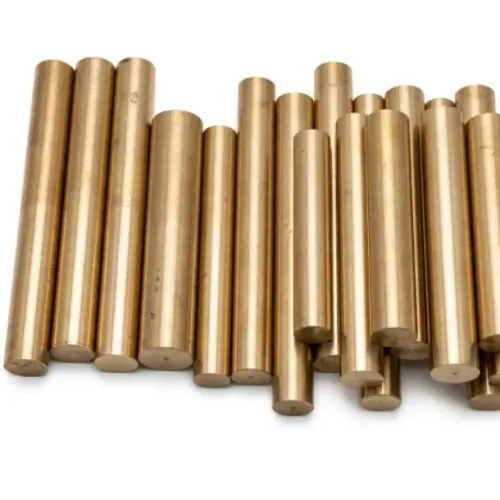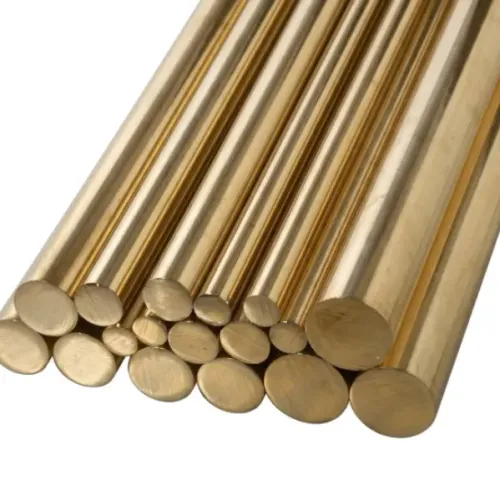
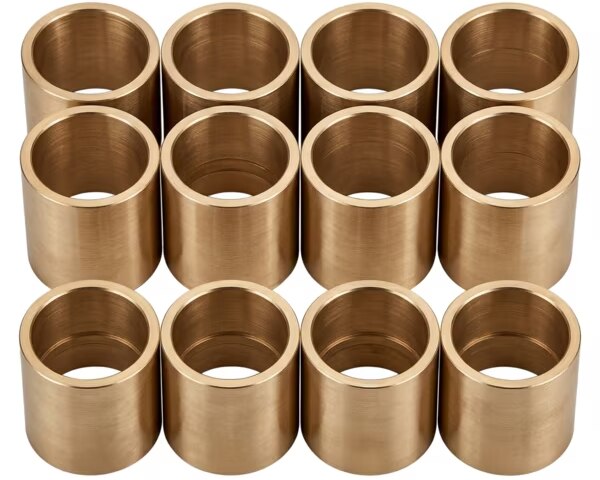
Choosing between these copper-alloy families depends on the failure you need to prevent: seizure, leakage, corrosion, impact, erosion or premature wear. By the end, you will be able to match the alloy and casting route to the duty, define acceptance criteria and compare supplier quotations on more than price.
Key takeaways
- Specify the alloy grade, chemistry and temper—not just “gun metal.”
- Match bronze selection to load, lubrication and the expected failure mode.
- Choose centrifugal casting for round parts with demanding service surfaces.
- Compare machining, inspection, downtime and replacement costs with the quote.
Why “gun metal” is not a sufficient material specification
“Gun metal” names a family, not one controlled alloy. The traditional composition is about 88% copper, 10% tin and 2% zinc, but modified tin bronzes and leaded grades are also sold under the name.
Tin improves pressure tightness and corrosion resistance; zinc supports fluidity and lowers cost; lead improves machinability, conformability and seizure resistance, but restricts potable-water, food-contact and some export applications.
Aluminium bronze is also a family: common cast grades contain roughly 8–12% aluminium, while iron, nickel and sometimes manganese alter strength, hardness, wear resistance and phase balance. Therefore, gun metal versus aluminium bronze is meaningless without named grades.
Indicative figures below show why one family value is unsafe; confirm the exact casting condition with the supplier.
| Grade | Tensile strength | Yield strength | Elongation | Hardness | Density | Thermal conductivity | Pouring range |
|---|---|---|---|---|---|---|---|
| C90700 tin bronze | 240–310 MPa | 100–150 MPa | 8–15% | 60–90 HB | 8.8 g/cm³ | 50–60 W/m·K | 1,050–1,150°C |
| C95400 aluminium bronze | 550–690 MPa | 240–350 MPa | 10–20% | 120–170 HB | 7.5 g/cm³ | 50–65 W/m·K | 1,120–1,200°C |
1. Put the exact alloy designation, chemistry, applicable standard and heat-treatment condition on the purchase order. Gun metal casting benefits depend on that identity, not the trade name. Use the grade’s datasheet for melting range, test values and service approval.
Match the alloy to load, lubrication and failure mode
Choose tin gun metal for pressure-tight water-valve bodies, pump parts, bushes and low-to-moderate load bearings when castability, machinability, conformability and anti-seize behaviour matter. These gun metal casting benefits disappear if shrinkage, gas porosity or oxide inclusions cause leakage, so pressure parts require testing.
The practical gun metal versus aluminium bronze choice is:
| Application | Tin gun metal | Aluminium bronze |
|---|---|---|
| Valves | Fresh-water bodies needing castability and pressure tightness | Seawater, cavitation or erosion |
| Gears | Light-to-moderate loads and easy machining | Higher tooth loads, impact and abrasive wear |
| Marine components | Ordinary fresh-water service | Seawater, galvanic exposure and elevated temperature |
| Wear rings | Clean liquid, moderate speed and load | Abrasive liquid, cavitation or high surface load |
| Heavily loaded bushes | Good lubrication and moderate load | Poor lubrication, impact or high load |
For sliding bearings, assess load, shaft speed, lubrication quality, mating-shaft material, alloy hardness, shaft surface finish and allowable temperature together. Tin gun metal suits a compatible, well-finished shaft and reliable lubrication; aluminium bronze suits higher load, poorer lubrication and tougher environments. Hardness alone does not predict bearing life: a harder alloy can damage the counterface.
For gun metal casting versus aluminium bronze in delhi, reject datasheets that give friction or wear rates without naming the test method, counterface, lubricant, load and temperature. Request those conditions before comparing results. Higher strength does not compensate for the wrong failure mode.
Choose centrifugal casting or sand casting before requesting a quote
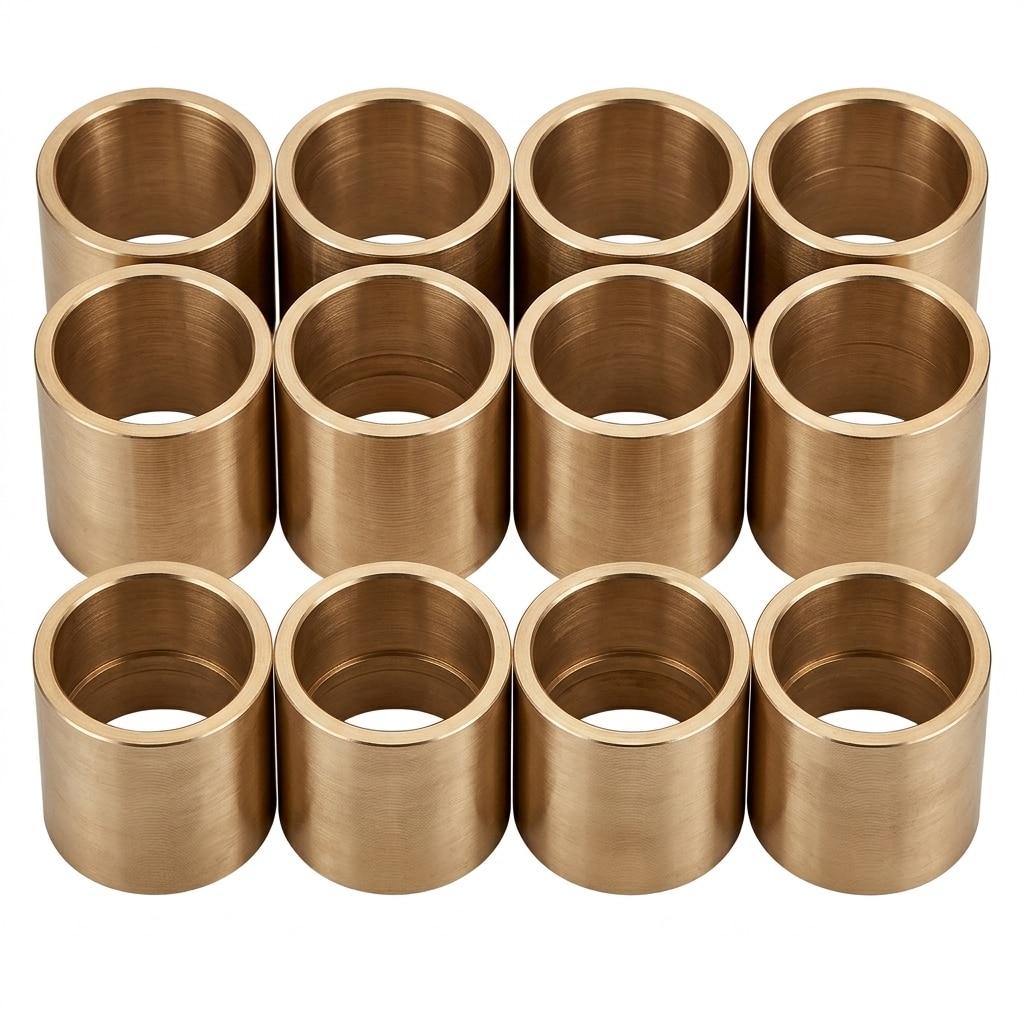
Centrifugal casting suits rotationally symmetric rings, bushes, sleeves and liners; sand casting suits valve bodies, housings and non-cylindrical parts. Choose the route before requesting a quote because each produces different defects, allowances and inspection needs.
| Route | Best geometry | Main process trade-off |
|---|---|---|
| Centrifugal casting | Rings, bushes, sleeves and liners defined by bore, outside diameter, length and wall thickness | Rotation improves feeding and can reduce some internal porosity, but not dirty melt, wrong pouring temperature, unsuitable mould speed or excessive wall variation |
| Sand casting | Valve bodies, housings, bosses, cores and complex passages | Flexible geometry, but requires control of mould variation, core gas, venting, risering and moisture, with greater machining allowance |
For a centrifugal gun metal casting, specify:
- Bore and outside-diameter datums
- Cast-versus-machined bore
- Stock allowance
- Wall-thickness tolerance
- Casting length and balance requirement where relevant
Use sand casting when cores or passages make rotation impractical. Poor permeability, excess moisture or inadequate vents can trap gas; weak risering can cause shrinkage, while insufficient allowance can leave the part undersize after machining.
ASTM B271 covers centrifugal copper-alloy castings, ASTM B584 covers sand-cast copper alloys, and ASTM B148 covers aluminium-bronze sand castings. None replaces a complete drawing and inspection plan covering alloy grade, tolerances, repair limits, dimensional checks and pressure testing.
What to demand from a gun metal casting supplier in Delhi
A quotation calling itself “gun metal casting” proves only a product label, not alloy identity. Treat any gun metal casting supplier in Delhi as unverified until the offer names the alloy, process and evidence behind it.
- Proposed alloy designation and applicable standard
- Full chemistry, including copper, tin, zinc, lead, aluminium, iron and nickel where relevant
- Charge-material traceability, melt or heat number, and chemical-analysis report
- Casting route, including whether it is sand cast or centrifugal gun metal casting
- Heat-treatment condition, or a written statement that none applies
- Dimensional inspection report against drawing datums and tolerances
- Permitted repair limits, repair method and approval requirements
- Pressure-test or non-destructive test records, such as radiography, dye penetrant or ultrasonic testing
Resolve conflicting references before ordering. C95400 and C95500 are not interchangeable merely because both are aluminium bronzes; AB2 must be mapped to a stated chemistry and standard.
| Reference | What to verify | Buyer action |
|---|---|---|
| C95400 versus C95500 | Exact chemistry, properties and designation | Select one grade on the purchase order |
| AB2 versus another designation | Whether the names are formally equivalent | Demand the cross-reference and test basis |
| ASTM B150 versus ASTM B148 | B150 concerns wrought products; B148 covers aluminium-bronze sand castings | Correct the standard before quotation |
For pressure-containing parts, specify test pressure, hold time and leakage acceptance criterion. Visual inspection alone cannot prove pressure tightness; shrinkage, gas pores and oxide inclusions can leak after machining. Consider Kamal Deep Metal Works Pvt Ltd alongside other Delhi suppliers only after it provides the same grade, process and traceability evidence.
Related products
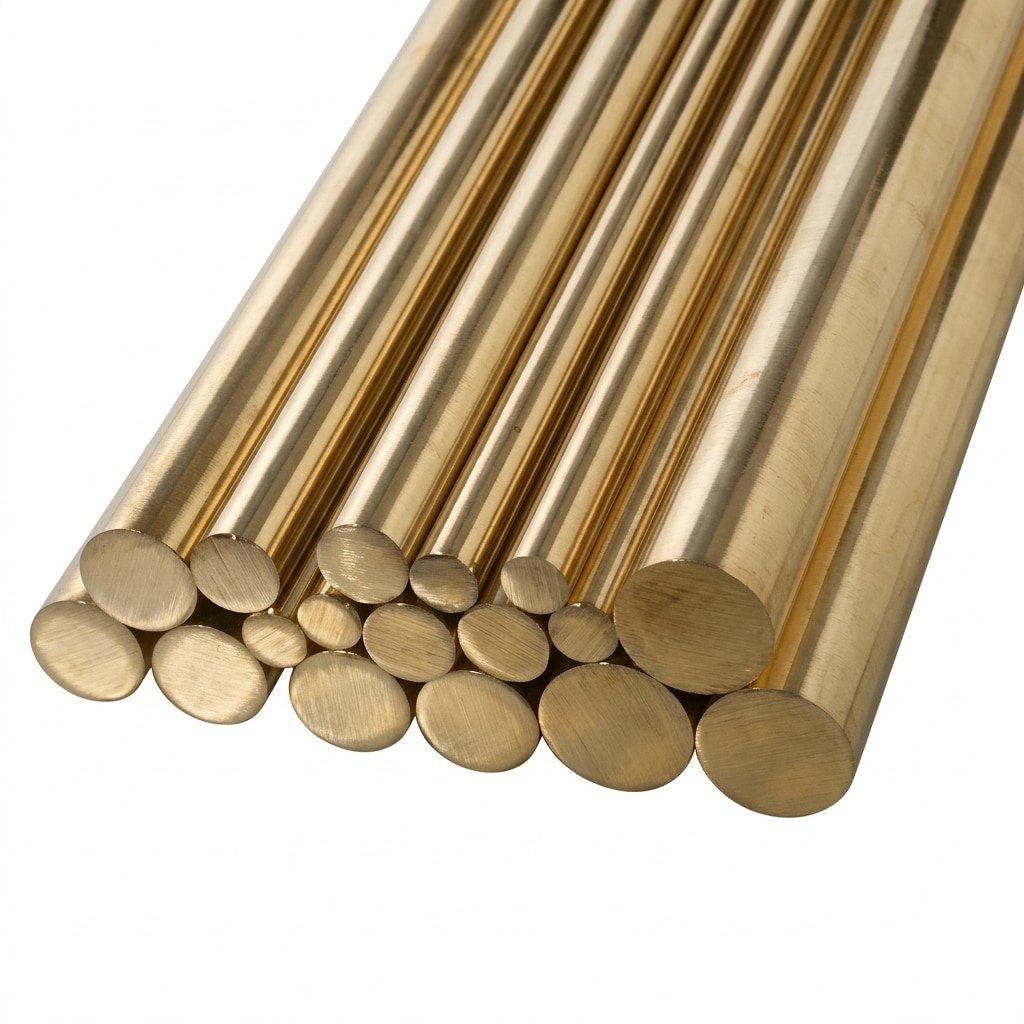 | Brass Sand Casting Outer Diameter 36 mm Anodized Aluminium Bronze Casting Color Golden Type Aluminium Bronze Casting Material Bronze Country of Origin Made in India... View product → |
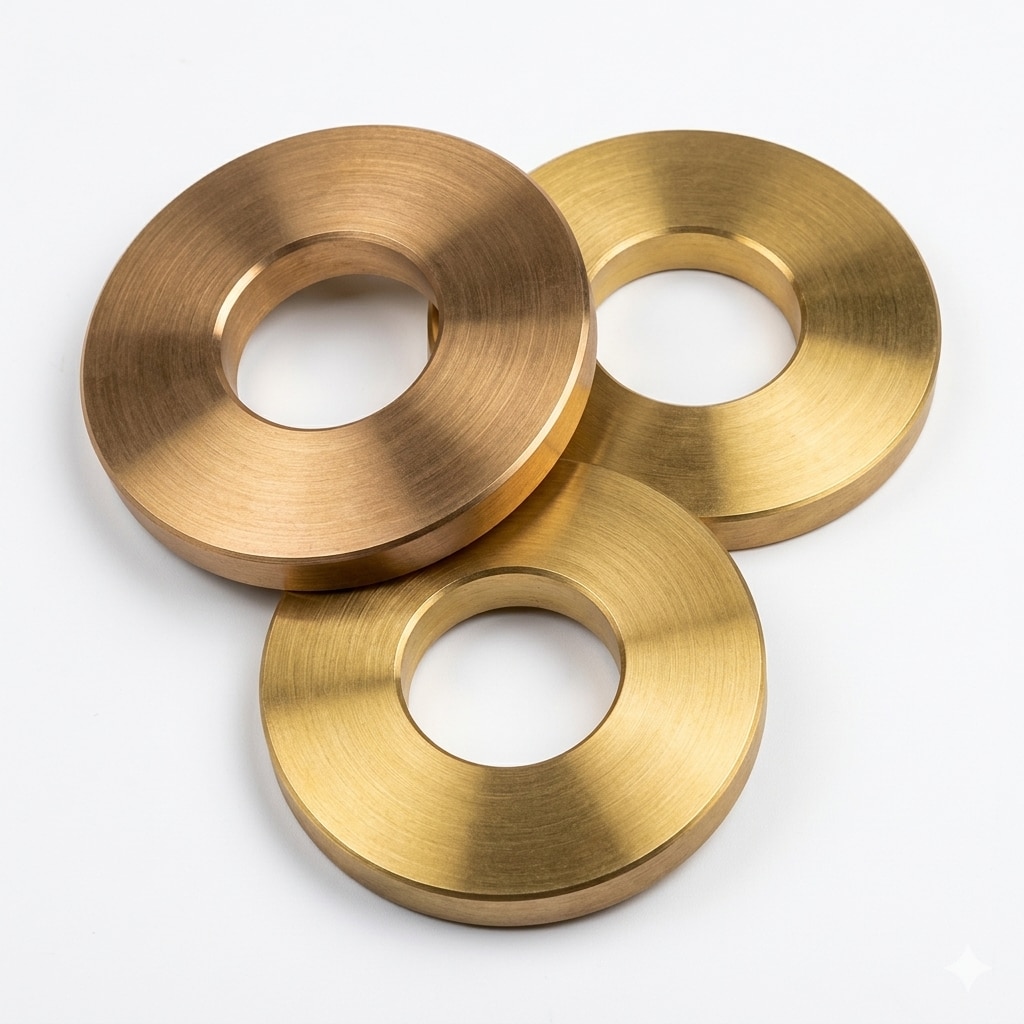 | Aluminium Bronze Alloy Grade C95400 Aluminium Content 10–12% Al Product Type Bearing Casting Process Sand Cast Application Marine Nickel Content 3–5% Ni Finish Type... View product → |
Compare total installed cost, not only the casting quotation
A lower casting quotation can become the higher installed cost after pattern work, minimum order quantity, long lead time, excess machining allowance, scrap risk, inspection and field replacement are added.
Sand-cast gun metal needs a pattern, cores and risers; repeat rings and sleeves may justify centrifugal tooling or mould preparation, but compare those costs over the full batch.
| Route or choice | Hidden cost | Quote another route when |
|---|---|---|
| Sand-cast gun metal | Pattern, cores, risering, machining stock and leakage scrap | The part is one-off, complex or low-volume |
| Centrifugal casting | Tooling or mould preparation, balance checks and bore machining | Rings, sleeves or liners repeat in quantity |
| Machined bar or forging | More material removal or higher starting cost | The section is simple, critical or too low-volume for casting |
- State drawing revision, exact alloy and standard, quantity, delivery schedule, pressure-test pressure, hold time and leakage limit.
- Define dimensional tolerances, surface finish, repair approval, certification, heat number and packaging.
- Check ASTM B271 for centrifugal copper alloys, ASTM B584 for copper-alloy sand castings and ASTM B148 for aluminium-bronze sand castings; none replaces the drawing.
Gun metal versus aluminium bronze favours gun metal for machinability, conformability and suitable low-to-moderate duty. Aluminium bronze earns its cost when strength, seawater, erosion or impact controls the design.
For gun metal casting versus aluminium bronze in Delhi, define the service environment, identify the failure mode, shortlist the alloy family, select the casting route, validate grade and test evidence, then calculate lifetime and installed cost.
Frequently asked questions
Why is “gun metal” an insufficient material specification?
Gun metal describes a family of copper alloys. Request the exact alloy designation, chemical composition, applicable standard, hardness or mechanical requirements, and any lead-content limits.
How do you choose between gun metal and aluminium bronze?
Compare the component’s load, lubrication, corrosion exposure and likely failure mode. Select the alloy that addresses the dominant risk, such as seizure, wear, deformation or corrosion.
When should you choose centrifugal casting instead of sand casting?
Choose centrifugal casting for suitable round or tubular components where a dense, consistent working surface matters. Use sand casting when the geometry or size requires mould flexibility.
What should you request from a gun metal casting supplier in Delhi?
Request the proposed alloy grade, melt chemistry, casting process, dimensional allowances, inspection plan, test reports, machining scope, traceability documents and delivery terms.
How should you compare the total cost of gun metal and aluminium bronze castings?
Include the casting price, machining, inspection, freight, installation, lubrication, service life, downtime and replacement costs instead of comparing quotations alone.
Related products
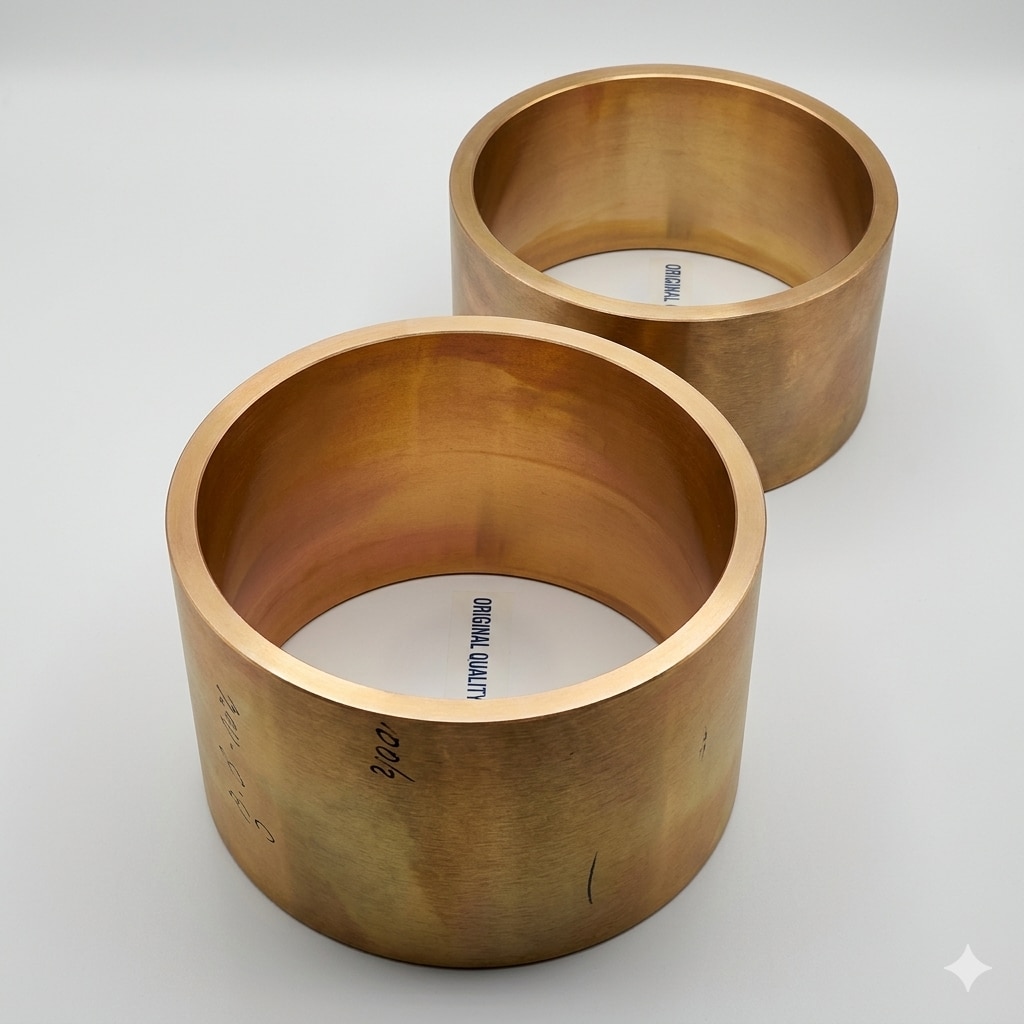 | Aluminium Bronze Alloy Grade AB2 Aluminium Content 10–12% Al Product Type Bearing Casting Process Centrifugal Cast Application Marine Nickel Content 3–5% Ni Finish... View product → |
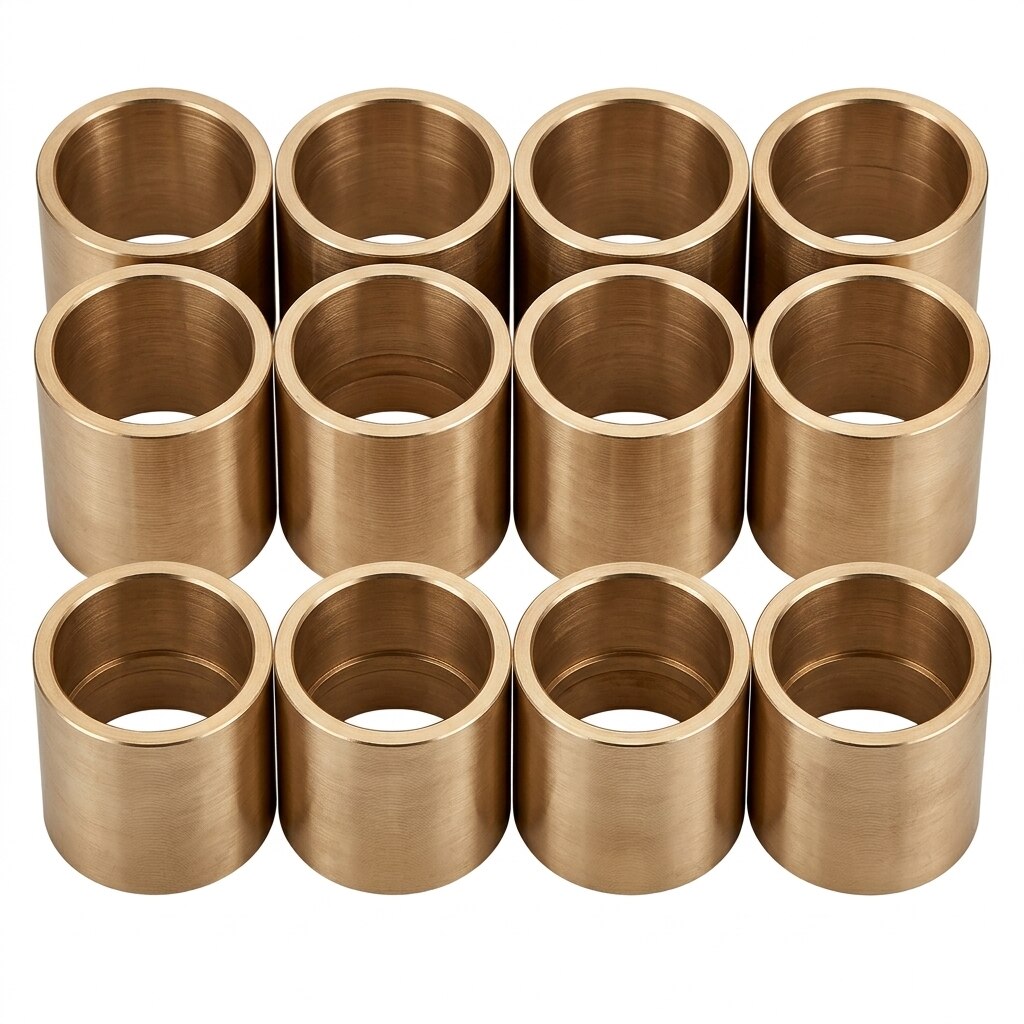 | Aluminium Bronze Alloy Grade AB2 Aluminium Content 10–12% Al Product Type Bearing Casting Process Centrifugal Cast Application Marine Nickel Content 3–5% Ni Finish... View product → |
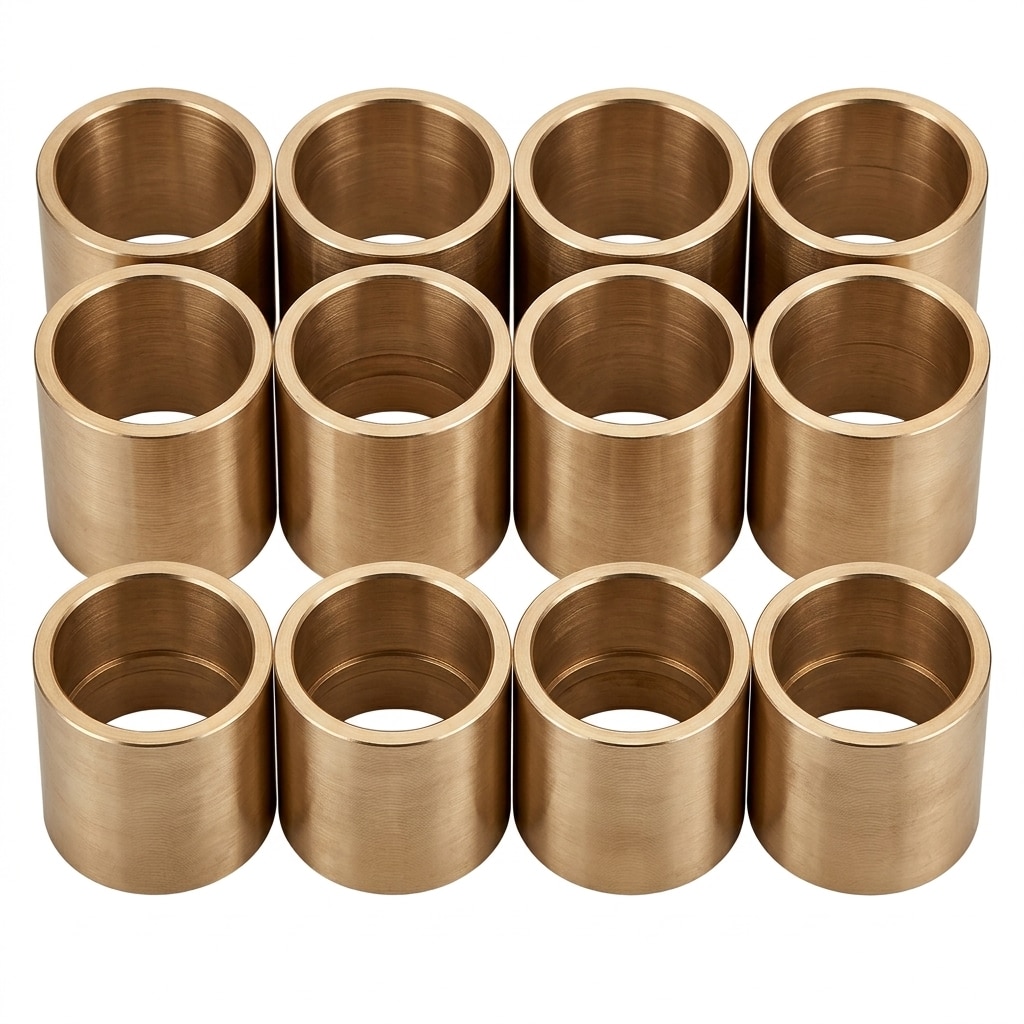 | Aluminium Bronze Alloy Grade C95400 Aluminium Content 10–12% Al Product Type Bearing Casting Process Centrifugal Cast Application Marine Nickel Content 3–5% Ni Finish... View product → |
 | Aluminium Bronze Grade C95400 Product Type Ring Weight Per Piece 1 - 10 kg Casting Method Centrifugal Usage/Application Marine Hardware Standard ASTM B148 Finish As... View product → |
Keywords