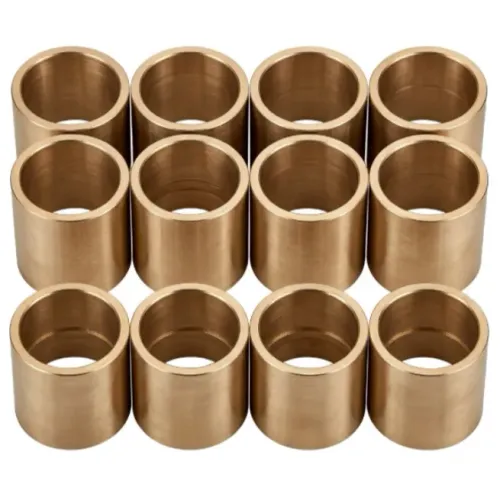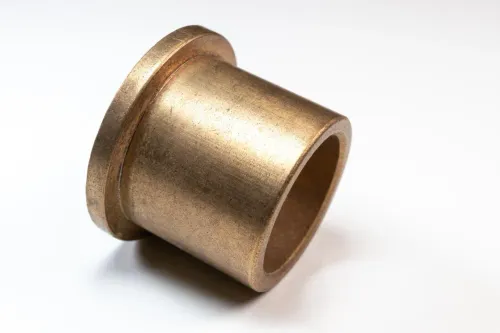
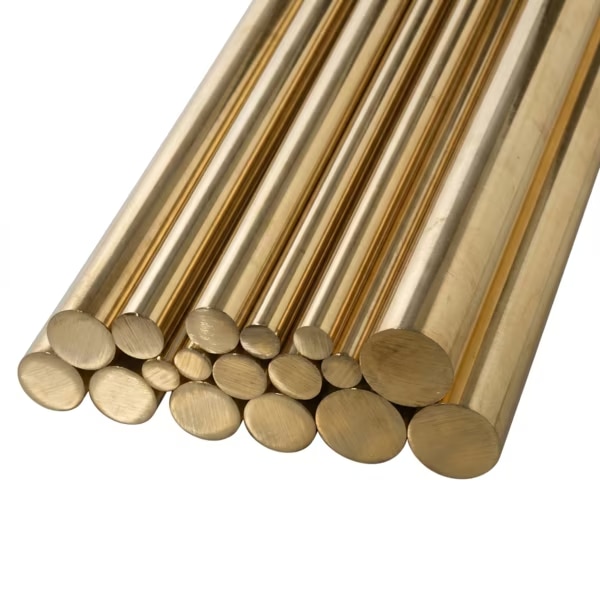
A worn bush, sleeve, spacer, or wear ring does not always need to start as a solid metal blank. By matching the hollow bar to the failed component, shaft, housing, fit, alloy, and casting method, you can reduce rough-machining time without treating the bar as a ready-to-install part.
Key takeaways
- Start with the failed bush or sleeve geometry, not the bar size.
- Measure shaft diameter, housing bore, fit, load, speed, and lubrication.
- Match alloy and casting route to wear, corrosion, and seizure risks.
- Send drawings, tolerances, service data, and inspection needs in one brief.
Start with the Geometry of the Failed Component
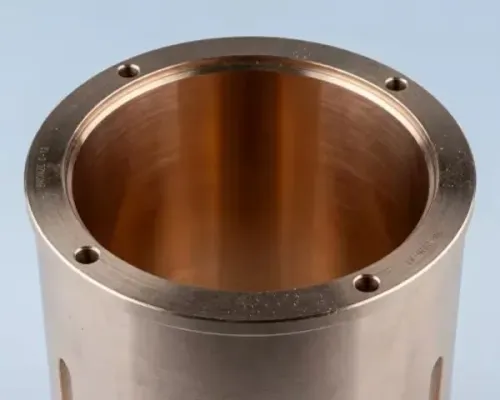
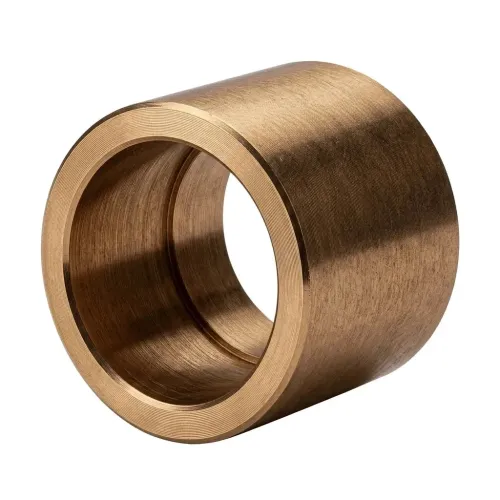
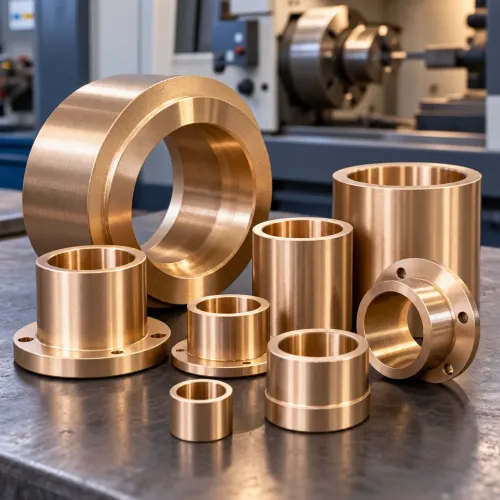
A hollow bar starts close to a replacement bush or sleeve’s final geometry: metal already surrounds an internal opening, so you finish the bore instead of drilling and boring through a solid bar. That reduces removed material, boring time, chip volume, and the risk of a long internal machining operation delaying the repair.
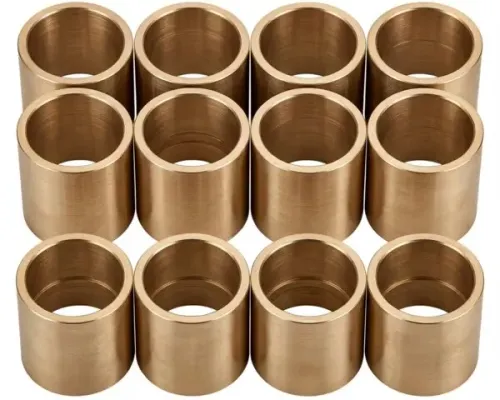
For rotationally symmetrical components, centrifugal casting can provide a sound tubular preform with machining allowance on both surfaces. Bronze hollow bars for maintenance are valuable when the bore is close to the required shaft size and the outside diameter suits the housing.
Compare the aluminium bronze hollow bar benefits by material use, machining hours, inspection effort, and downtime—not tensile strength alone. Do not copy a worn bore blindly; check the shaft and housing, because wear can distort the failed component’s dimensions.
Confirm the supplied bar’s actual ID and OD at several axial and angular positions, since nominal sizes will not expose taper, ovality, or eccentric wall thickness.
The replacement work usually becomes:
- Bore or hone the internal diameter for the required shaft fit.
- Turn the outside diameter and face the installed length.
- Add only the specified grooves, oil holes, chamfers, or keyway features.
The bar still needs machining and dimensional verification. It reduces replacement work when its starting geometry matches the sleeve, bush, or wear ring—not when “cast-to-size” is mistaken for a finished part.
Measure the Shaft, Housing, Fit, and Service Conditions
Measure the unworn shaft and housing, not just the damaged bush. Copying a worn bore can produce a replacement with the same failure built into it. Record the shaft diameter at several axial and angular positions, the housing bore, installed length, shoulder locations, and any step, keyway, oil hole, or lubrication groove.
Use this measurement list for a replacement brief:
- Specify the finished inside diameter, outside diameter, length, and required wall thickness.
- State the fit: running clearance, transition fit, or interference fit, with the shaft and housing tolerances.
- Measure shaft runout, housing ovality, taper, shoulder squareness, and bore alignment; a new sleeve cannot correct a bent shaft or misaligned housing.
- Mark the positions and sizes of oil holes, grooves, slots, keyways, chamfers, and retaining features.
- Describe the duty: radial or thrust load, shaft speed, start-stop frequency, operating temperature, lubricant, fluid chemistry, and shaft material.
- Identify whether the part is a pump sleeve, valve component, wear ring, bushing, marine part, or structural spacer; these services do not justify the same aluminium-bronze grade.
- Separate rough-cast dimensions from finished dimensions and state the machining allowance required on the bore and outside diameter.
Ask for the supplier’s actual ID and OD readings at several angular and axial positions, not nominal dimensions alone. Those readings expose taper, ovality, and eccentric wall thickness. Suppliers of bronze hollow bars for maintenance should also tie the piece to its cast batch and provide alloy chemistry and process or heat-treatment records.
Choose the Casting Route and Alloy from the Failure Risk
Choose centrifugal casting for a rotationally symmetrical sleeve, bush, spacer, or wear ring when downtime and machining removal are the main risks. The hollow preform places metal near the working wall, reducing boring from a solid bar and shortening preparation. It still needs final boring, turning, and bore verification.
| Option | What it means | When it applies |
|---|---|---|
| Centrifugal casting | Controlled hollow, round casting with relatively consistent wall stock | Repeated or critical sleeves where material utilisation, bore machining, inspection, and installation time matter |
| Sand casting | Pattern-made casting with more dimensional variation and machining allowance | One-off, large-diameter, irregular, or non-standard replacements where tooling cost outweighs extra machining |
| AB1 | Aluminium bronze grade for general wear and corrosion service; confirm the specified chemistry | Moderate loads and ordinary industrial duty when the failed part did not require nickel-aluminium bronze performance |
| AB2 | Higher-alloy aluminium bronze, commonly selected for greater load, seawater, erosion, or cavitation resistance | Heavy-duty or marine-related failures where incorrect grade substitution could repeat rapid wear |
| C95400 | UNS cast aluminium bronze grade with established industrial wear and corrosion applications | Use when the drawing or equipment specification names C95400; do not treat it as interchangeable with AB1 or AB2 without chemistry and property checks |
The practical aluminium bronze hollow bar benefits are not limited to strength. A higher-priced centrifugal sleeve can reduce stock removal, machining hours, inspection exposure, and Delhi repair downtime; sand casting can still win for a single oversized part. Order the grade, process, dimensions, allowances, and batch traceability together.
Control Receiving Inspection, Machining, and Installation
Prevent new rework by checking the bar before releasing it to the machine shop. Ask an aluminium bronze hollow bar supplier in Delhi to link the supplied piece to its cast batch, not merely describe it as “bronze bush material.”
- Match the purchase order with the UNS grade, casting route, length, outside diameter, bore diameter, and straightness.
- Obtain the heat-treatment or process record, chemical analysis, and specified mechanical-test results.
- Record the supplied rough-cast dimensions separately from the required finished dimensions.
- Confirm that the bore and outside diameter contain enough machining allowance to clean the surfaces without excessive stock removal.
- Reject or investigate deep cracks, visible shrinkage, laminations, excessive ovality, and a bore that is off-centre beyond the machining plan.
- Mark the piece with its batch or heat number before cutting it, so test documents remain connected to the finished bush or sleeve.
Machine from datums that match the installation drawing, rather than assuming the as-cast bore is concentric with the outside diameter. Excess allowance wastes time, raises cutting heat, increases distortion risk, and can leave too little wall thickness after defects are removed.
Before installation, remeasure the shaft and housing; do not copy worn dimensions from the failed part. Check the finished bore, outside diameter, length, shoulder location, lubrication grooves, oil holes, keyways, and specified clearance or interference. Clean both mating surfaces, verify alignment, and stop if the component binds during a controlled trial fit.
Build a Delhi Procurement Brief That Shortens the Repair
Ask an aluminium bronze hollow bar supplier in Delhi to quote the part as both a rough casting and a finished component. “Aluminium bronze” alone is not a purchasing specification; name the grade and casting route so a general corrosion alloy is not substituted for nickel-aluminium bronze in high-load, seawater, erosion, or cavitation service.
- UNS grade or applicable standard designation, such as AB1, AB2, C95400, ASTM B148, or EN 1982
- Casting process: centrifugal or sand casting
- Rough outside diameter, bore diameter, length, and finished dimensions
- Finished wall thickness, straightness, concentricity, and machining allowance on the bore, outside diameter, and ends
- Required clearance or interference fit, plus grooves, oil holes, keyways, shoulders, or end steps
- Quantity, standard-stock availability, tooling cost, casting lead time, machining lead time, and inspection date
- Chemistry report, mechanical-test results where specified, cast-batch traceability, heat-treatment or process record, and dimensional inspection report
Specify aluminium bronze for hollow bars in Delhi with allowance that cleans the surfaces without creating a second problem. Excess stock increases cutting time, heat generation, distortion risk, and scrap exposure; “cast-to-size” does not mean ready to install.
Give Kamal Deep Metal Works Pvt Ltd this same schedule when requesting a quotation, then retain the batch number and reports with the maintenance record. That makes the next replacement comparable instead of another guess based on “bronze bush material.”
Related products
 | Brass Sand Casting Outer Diameter 36 mm Anodized Aluminium Bronze Casting Color Golden Type Aluminium Bronze Casting Material Bronze Country of Origin Made in India... View product → |
 | Aluminium Bronze Grade AB1 Product Type Ring Weight Per Piece 1 - 10 kg Casting Method Centrifugal Usage/Application Marine Hardware Standard ASTM B148 Finish As Cast... View product → |
Frequently asked questions
Why start with the failed component’s geometry?
The original bush or sleeve dimensions reveal the required wall thickness, bore allowance, length, shoulders, oil grooves, and machining stock.
What must you measure before ordering a hollow bar?
Measure the shaft diameter, housing bore, component length, fit, load, speed, lubrication, temperature, corrosion exposure, and alignment condition.
How do you choose the casting route and aluminium bronze alloy?
Choose centrifugal or sand casting according to component size, shape, quantity, and machining allowance, then select the alloy for the dominant wear, corrosion, load, and seizure risk.
What should Delhi buyers include in a procurement brief?
Include the finished dimensions, tolerances, material grade, casting route, quantity, inspection documents, delivery deadline, and machining or installation requirements.
Related products
 | Aluminium Bronze Grade AB1 Product Type Ring Weight Per Piece 1 - 10 kg Casting Method Centrifugal Usage/Application Marine Hardware Standard ASTM B148 Finish As Cast... View product → |
 | Aluminium Bronze Alloy Grade AB2 Aluminium Content 10–12% Al Product Type Bearing Casting Process Centrifugal Cast Application Marine Nickel Content 3–5% Ni Finish... View product → |
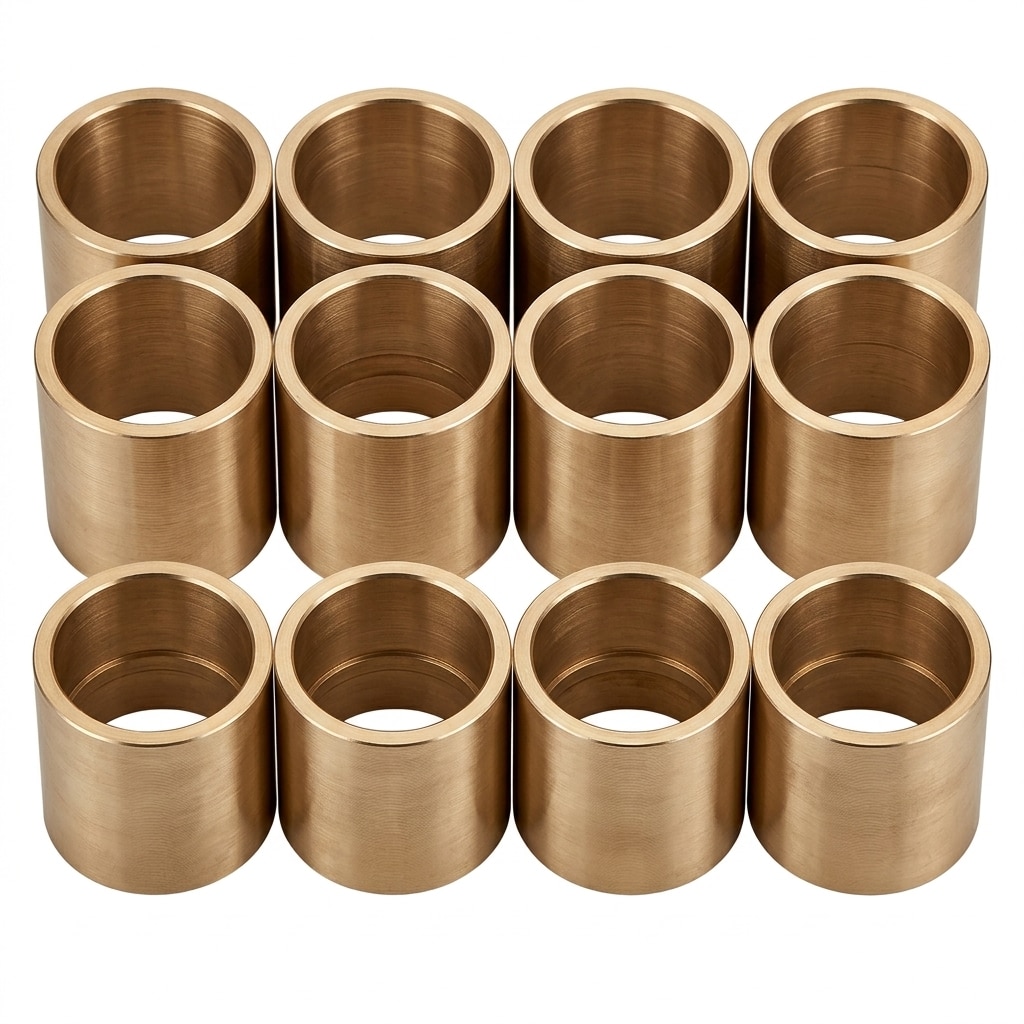 | Aluminium Bronze Grade C95400 Product Type Ring Weight Per Piece 1 - 10 kg Casting Method Centrifugal Usage/Application Marine Hardware Standard ASTM B148 Finish As... View product → |
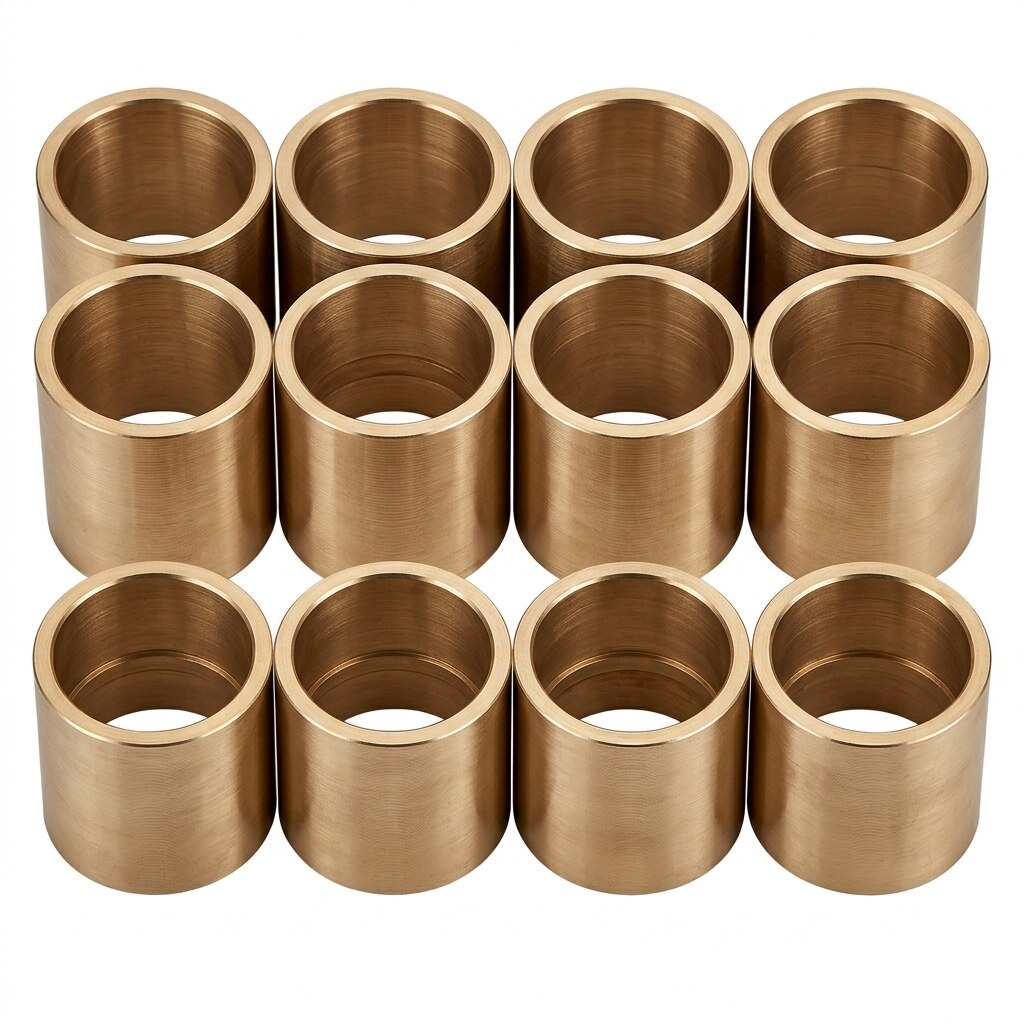 | Aluminium Bronze Alloy Grade AB2 Aluminium Content 10–12% Al Product Type Bearing Casting Process Centrifugal Cast Application Marine Nickel Content 3–5% Ni Finish... View product → |
Keywords