Industrial components usually fail at the contact surface: a bush seizes, a pump ring wears through, a valve seat leaks, or corrosion removes the working profile. By matching the alloy, casting route, counterface and inspection plan to that failure mode, you can decide where aluminium bronze will extend service life and where another material is safer.
Key takeaways
- Use aluminium bronze where loaded sliding contact risks wear, seizure or cavitation.
- Compare AB1, AB2 and C95400 against steel, bronze and stainless steel for the service conditions.
- Choose centrifugal casting for cylindrical parts and sand casting for larger, complex shapes.
- Put alloy grade, dimensions, tolerances, hardness, machining allowance and inspection requirements on the drawing.
How aluminium bronze slows the failures that stop machines
Aluminium bronze slows machine failure by resisting adhesive wear, sliding damage and seizure under loaded contact. Its strength also helps parts absorb impact loading, while its aluminium-oxide-rich surface film supports protection against cavitation and salt-water corrosion in many aqueous environments.
The result depends on four conditions working together:
- The selected alloy must match the load, speed, temperature and fluid.
- The mating surface must provide a suitable counterface; hardness alone does not prevent galling or rapid shaft wear.
- Lubrication must separate sliding surfaces when the design depends on a lubricating film.
- The casting must be sound, because oxide entrainment, shrinkage porosity or inclusions can create weak planes beneath an apparently good machined surface.
The protective film is not a guarantee. Stagnant crevices, abrasive solids, ammonia-containing liquids and galvanic contact with less noble metals can still attack the alloy. Abrasive particles can also overwhelm corrosion resistance by repeatedly stripping the surface.
For aluminium bronze castings for industrial equipment in Delhi, specify the alloy designation and casting standard rather than asking for “bronze.” A well-selected C95400, C95500 or C95800 casting can outlast a harder but poorly matched material; an unsuitable counterface, inadequate lubrication or defective casting can reverse that advantage.
It is a durable engineering option, not a universal fix.
Which machine parts gain the most from the alloy
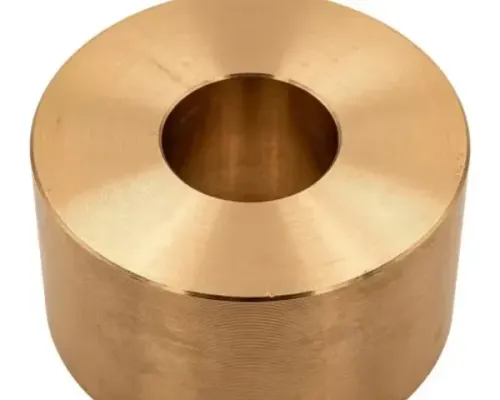
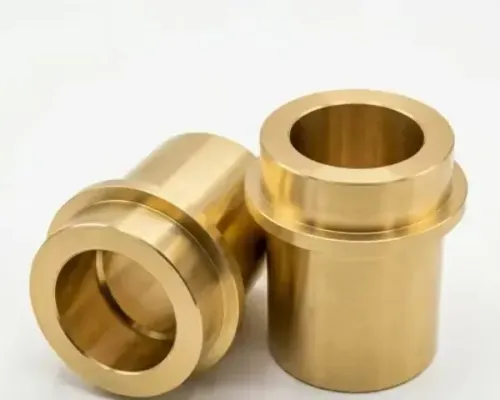
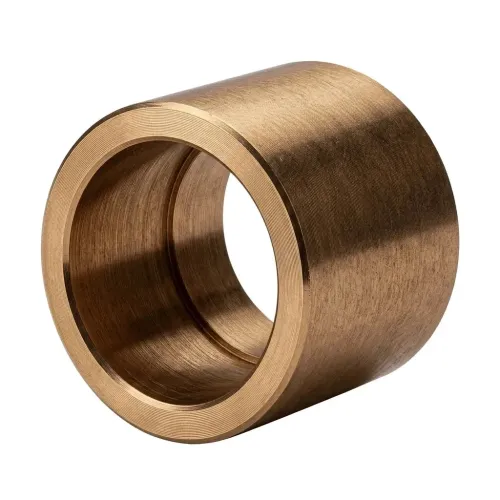
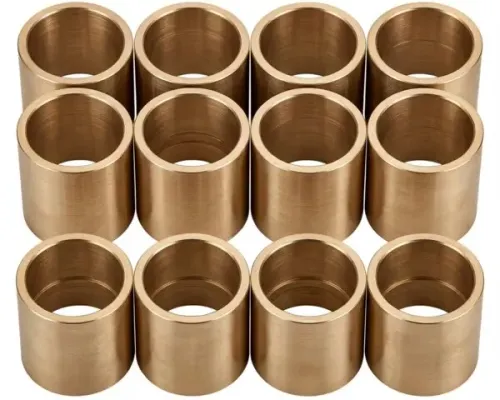
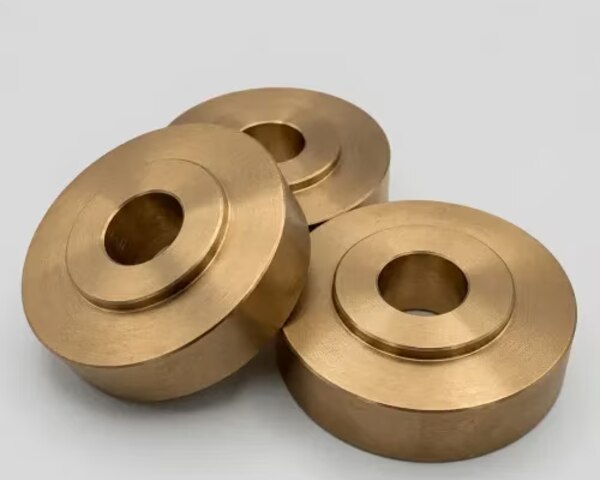
Bushes and thrust washers suit aluminium bronze when sliding load, intermittent impact and water exposure drive failure. Valve seats and pump wear rings benefit when they must maintain a pressure boundary while resisting erosion and seizure. Impellers face cavitation, while worm gears and guide shoes face loaded sliding contact.
| Part | Main exposure | Good candidate when |
|---|---|---|
| Bushes | Sliding load, contamination | Lubrication and shaft compatibility are controlled |
| Thrust washers | Axial load, intermittent impact | The mating face will not gall |
| Valve seats | Pressure, water chemistry | The fluid is not strongly oxidising or ammonia-bearing |
| Pump wear rings | Pressure, sliding wear, solids | Clearances and abrasive contamination are defined |
| Worm gears | Sliding load, lubrication | Speed and lubricant prevent excessive heat |
| Guide shoes | Impact, sliding load | Contact pressure and alignment are known |
| Impellers | Cavitation, water chemistry | Solids and cavitation intensity are manageable |
| Marine hardware | Salt water, galvanic contact | Mating metals and crevices are controlled |
Before requesting industrial bronze castings in Delhi, record:
- Load, speed, lubrication and operating temperature
- Mating-shaft material, fluid composition and solids content
- Required surface finish and whether the part retains pressure
Reject the alloy for poorly lubricated high-speed bearings, extreme temperatures, strong oxidising chemicals or unsuitable mating materials. Choose a low-friction polymer surface when dry running, very low friction or embedded contamination matters more than impact strength. Evaluate marine parts for stagnant crevices and galvanic attack, not salt water alone.
How to choose between AB1, AB2, C95400 and competing materials
“Aluminium bronze” is not a sufficient purchase specification: AB1, AB2 and C95400 can differ in chemistry, strength, hardness, ductility and machining behaviour. Match the grade to loaded sliding or structural service, then verify the exact composition and mechanical values against ASTM B148, BS 1400, an EN grade or the named customer specification.
| Grade or material | Practical distinction | Best fit and trade-off |
|---|---|---|
| AB1 | Lower-alloy designation in some BS specifications; confirm chemistry, hardness and proof strength | General bushes and moderate loads; easier machining than higher-alloy grades when the specification permits |
| AB2 | Higher-alloy designation in some BS specifications; check nickel, iron, manganese and elongation | Heavier sliding or structural duty when added strength justifies harder machining and higher cost |
| C95400 | Iron-bearing aluminium bronze with strong wear and corrosion performance | Loaded bushes, valve parts and structural castings; balance strength, ductility, seizure resistance and machinability |
| C95500 / C95800 | More alloyed grades, including nickel-bearing chemistry | Higher strength or seawater resistance; expect tighter process control, greater cost and more machining effort |
| Tin or phosphor bronze | Good conformability and bearing behaviour, with lower high-load strength than many aluminium bronzes | Lubricated bearings and impact service; compare corrosion and seizure requirements |
| Brass, steel or cast iron | Brass machines easily; steel carries high loads; cast iron damps vibration | Use only with a compatible counterface and corrosion plan |
| Stainless steel, polymer or hardened tool steel | Stainless resists corrosion, polymers reduce friction, tool steel delivers extreme hardness | Choose for chemical exposure, low-friction dry running or severe abrasion, not automatically for seizure-prone pairs |
C95400 is not interchangeable with every AB1 or AB2 casting. Specify load, speed, lubrication, temperature, mating material and required hardness; a hard alloy can still gall against a poor counterface.
When centrifugal casting or sand casting gives the longer-lived part
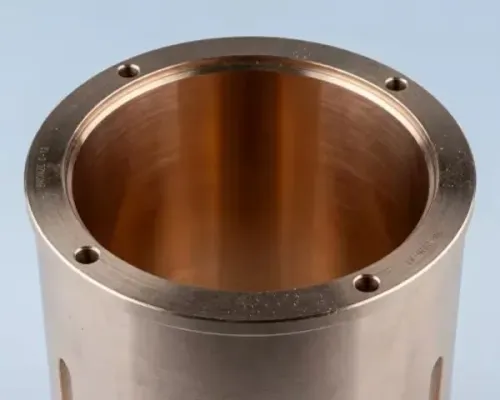
Choose centrifugal casting for a ring, sleeve or other rotational part when its geometry suits a rotating mould. Rotation can produce a relatively dense wall and move some gas or less-dense inclusions toward the machining allowance, improving fatigue and wear life after machining.
| Process | Strength for service life | Limitation |
|---|---|---|
| Centrifugal casting | Dense walls for rings, bushes and cylindrical liners | Restricted by geometry, length-to-diameter ratio and rotating-mould requirements |
| Sand casting | Practical for large, irregular and non-axisymmetric parts | More exposure to sand inclusions, gas defects, cold shuts and shrinkage porosity |
For aluminium bronze casting in Delhi, do not treat centrifugal equipment as a universal substitute. A sand-cast impeller, valve body or structural wear plate can outlast a poorly matched centrifugal design because the process fits the component and allows sound feeding.
Put three dimensions on the enquiry:
- State the as-cast size, final machined size and inspection datum separately.
- Specify machining allowance on each critical surface; excessive allowance can expose subsurface shrinkage or remove a designed wear layer.
- Request radiography, penetrant testing or another agreed method for pressure-retaining or highly loaded parts.
Sound metal depends more on quiet transfer, clean charge material and controlled gating than on simply raising pouring temperature. Turbulence folds aluminium-oxide films into the melt, creating internal weak planes that a clean machined surface cannot reveal. Ask how the foundry controls filling and feeding, not only which alloy it melts.
What to put on the drawing before asking a Delhi foundry for a quote
1. Put the design basis on the drawing or purchase order before requesting prices. Name the alloy designation, ASTM B148 or the agreed EN, BS or customer specification, and casting route: centrifugal or sand casting. State whether the part is pressure-retaining.
2. Define the geometry that controls cost and inspection: finished dimensions, as-cast dimensions, tolerances, inspection datums, surface finish and machining allowance. Identify critical bores, sealing faces and bearing surfaces so the supplier cannot quote against an ambiguous datum.
3. Add the service conditions. Record the medium, pressure, temperature, speed, load, lubrication, mating material and abrasive solids, because “industrial bronze castings in Delhi” covers very different risks in a pump, valve or bearing.
- Heat or melt number linked to the casting
- Chemical analysis and mill test certificate or inspection report
- Heat-treatment cycle and hardness range
- Repair-welding history
- Dimensional, mechanical and test results
- Radiography, penetrant testing or another named non-destructive test, with location, method and rejection criteria
5. Compare an aluminium bronze casting supplier in Delhi on evidence, not an alloy list. Ask Kamal Deep Metal Works Pvt Ltd to show how it controls mould filling, shrinkage feeding, machining datum transfer, inspection and traceability for your component class. A catalogue grade does not prove sound castings, repeatable dimensions or batch-level records.
Related products
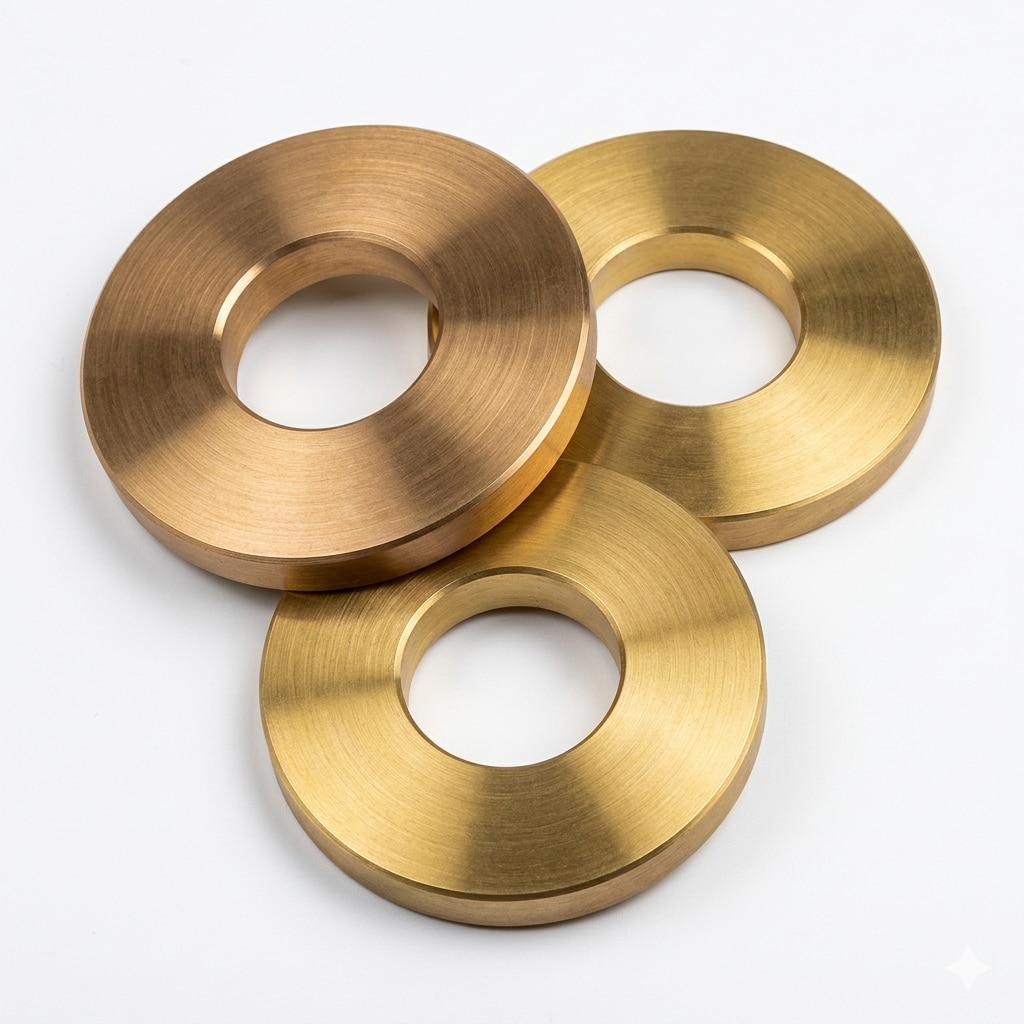 | Aluminium Bronze Alloy Grade C95400 Aluminium Content 10–12% Al Product Type Bearing Casting Process Sand Cast Application Marine Nickel Content 3–5% Ni Finish Type... View product → |
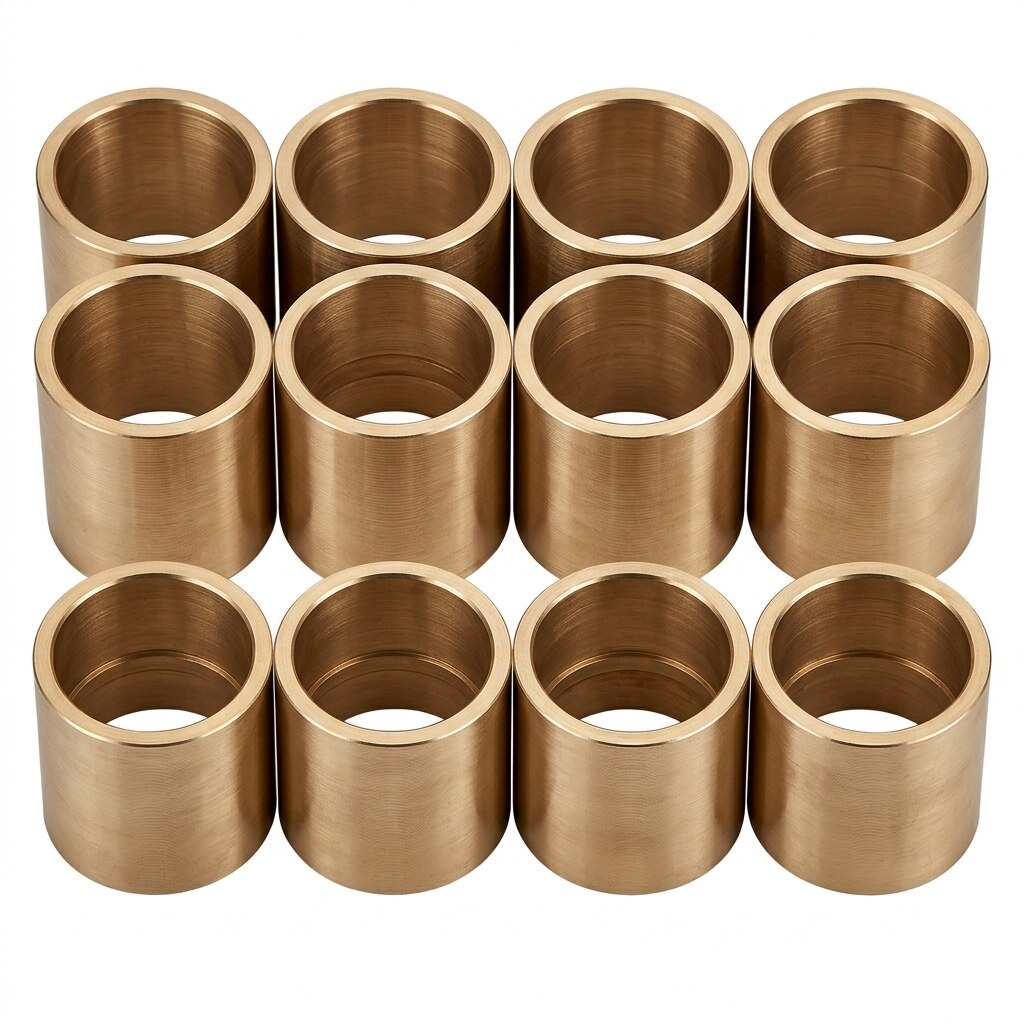 | Aluminium Bronze Alloy Grade AB2 Aluminium Content 10–12% Al Product Type Bearing Casting Process Centrifugal Cast Application Marine Nickel Content 3–5% Ni Finish... View product → |
Frequently asked questions
How does aluminium bronze slow industrial equipment failures?
It resists adhesive wear, sliding damage and seizure under loaded contact, while its strength handles impact loading. Its protective oxide-rich surface film also helps in many aqueous environments exposed to cavitation or salt water.
Which industrial equipment parts benefit most from aluminium bronze castings?
Loaded sliding and rotating parts such as bushes, bearings, wear plates, thrust components, valve parts, pump components and marine-duty fittings benefit when wear, impact or corrosion drives failure.
How should you compare AB1, AB2 and C95400 with competing materials?
Compare the actual service conditions: load, speed, lubrication, temperature, water chemistry, cavitation, corrosion, hardness and required dimensional stability. Select the grade against those conditions rather than choosing by alloy name alone.
When is centrifugal casting better than sand casting?
Use centrifugal casting for cylindrical rings, bushes and sleeves that need a dense, consistent structure. Use sand casting for larger parts, irregular geometries, internal passages and shapes that do not suit rotation.
What belongs on a drawing sent to an aluminium bronze casting supplier in Delhi?
State the alloy grade, finished dimensions, casting or machining tolerances, machining allowance, surface finish, hardness or mechanical requirements, heat treatment, inspection tests, acceptance criteria and any pressure-test requirement.
Related products
 | Aluminium Bronze Grade AB1 Product Type Ring Weight Per Piece 1 - 10 kg Casting Method Centrifugal Usage/Application Marine Hardware Standard ASTM B148 Finish As Cast... View product → |
 | Aluminium Bronze Wear Resistant Aluminium Bronze Alloy Grade AB2 Aluminium Content 10–12% Al Product Type Bearing Casting Process Sand Cast Application Marine Nickel Content 3–5% Ni Finish Type As... View product → |
 | Aluminium Bronze Aluminium Bronze for Heavy Duty Applications Alloy Grade AB2 Aluminium Content 10–12% Al Product Type Bearing Casting Process Centrifugal Cast Application Marine Nickel Content 3–5% Ni Finish... View product → |
 | Aluminium Bronze Grade AB1 Product Type Ring Weight Per Piece 1 - 10 kg Casting Method Centrifugal Usage/Application Marine Hardware Standard ASTM B148 Finish As Cast... View product → |
Keywords