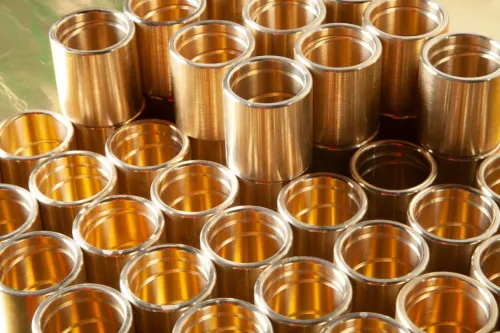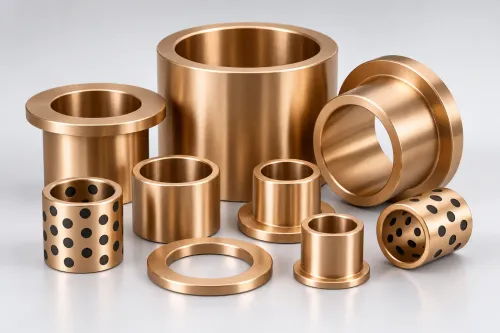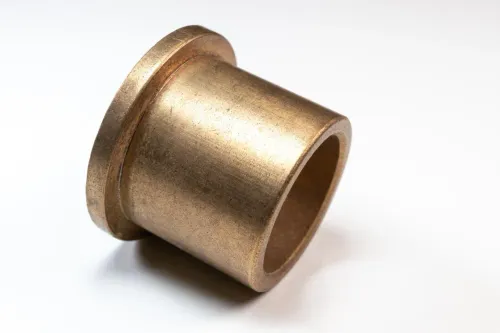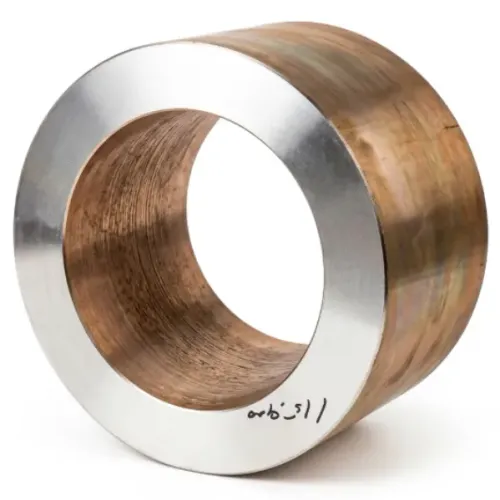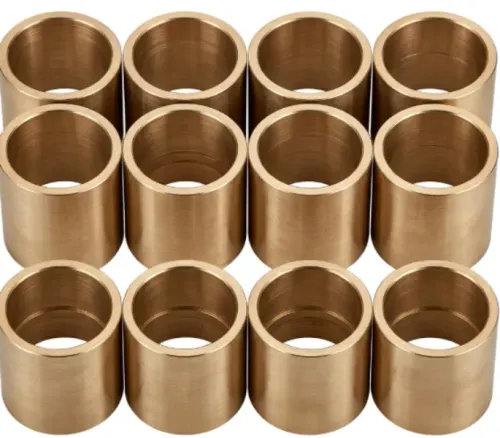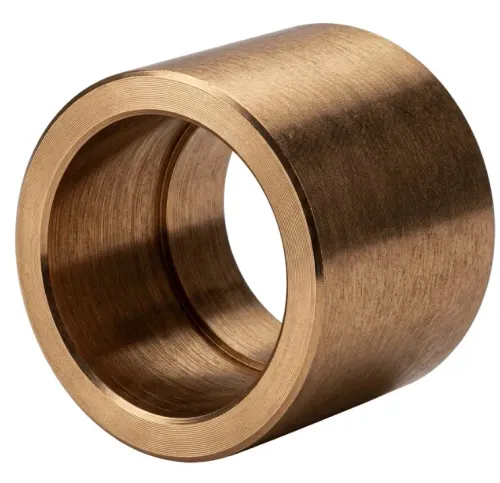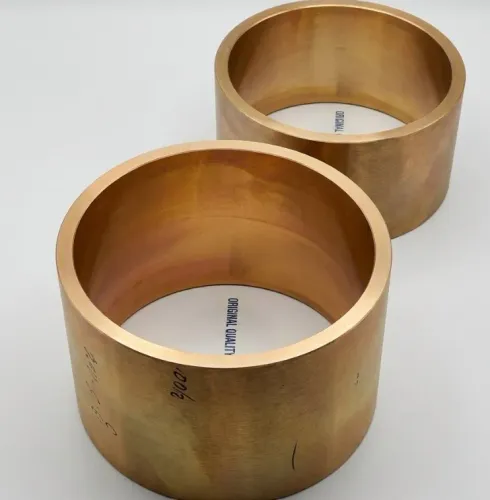

Phosphor Bronze Flat Bars are high-performance copper alloy products widely used in engineering, electrical, and industrial applications where strength, durability, and corrosion resistance are required. Made primarily from copper, tin, and a small percentage of phosphorus, phosphor bronze offers excellent mechanical properties along with superior wear resistance and low friction characteristics.
Due to its outstanding fatigue strength and anti-corrosive nature, phosphor bronze flat bars are commonly used in marine equipment, electrical components, precision machinery, springs, bushings, gears, and industrial fittings. These bars are manufactured through advanced casting, rolling, or extrusion processes to ensure uniform structure and consistent quality.
Industries prefer phosphor bronze flat bars because they maintain high reliability under heavy load, vibration, and continuous mechanical stress. Their ability to withstand harsh environments makes them ideal for both indoor and outdoor applications.
Composition and Material Properties
Phosphor bronze is a copper-based alloy typically containing:
Copper (Cu): 88% – 94%
Tin (Sn): 5% – 10%
Phosphorus (P): 0.01% – 0.35%
The addition of phosphorus improves strength, stiffness, and wear resistance while also enhancing the alloy’s casting characteristics.
Key Material Properties
• High mechanical strength
• Excellent corrosion resistance
• Superior wear resistance
• Low coefficient of friction
• Good electrical conductivity
• Excellent fatigue resistance
• Good machinability
• High spring qualities
These properties make phosphor bronze flat bars suitable for precision engineering components and long-lasting mechanical parts.
Manufacturing Process of Phosphor Bronze Flat Bars
High-quality phosphor bronze flat bars are produced through controlled metallurgical processes to achieve optimal strength and structural integrity.
1. Raw Material Selection
High-purity copper and tin are selected and melted in induction furnaces. Phosphorus is added in precise amounts to enhance mechanical properties.
2. Melting and Alloying
The materials are melted at controlled temperatures to ensure proper alloy formation and homogeneous composition.
3. Casting Process
The molten alloy is cast into billets or ingots through processes such as:
Continuous casting
Sand casting
Centrifugal casting
4. Rolling and Shaping
The cast billets are then hot-rolled or extruded into flat bar shapes with precise dimensions and uniform grain structure.
5. Finishing and Quality Inspection
The bars undergo machining, surface finishing, and strict quality inspection to ensure compliance with international standards.
Key Features of Phosphor Bronze Flat Bars
1. Excellent Corrosion Resistance
Phosphor bronze is highly resistant to corrosion caused by moisture, chemicals, and saltwater, making it ideal for marine and outdoor applications.
2. High Wear Resistance
The alloy has exceptional resistance to abrasion and friction, making it suitable for moving mechanical parts and high-load applications.
3. High Strength and Durability
Phosphor bronze flat bars maintain strength under continuous stress, which is essential in industrial machinery and engineering components.
4. Excellent Fatigue Resistance
The material performs exceptionally well in applications involving repeated stress cycles, such as springs and electrical contacts.
5. Good Machinability
Phosphor bronze can be easily machined, drilled, and fabricated into complex shapes without losing its mechanical properties.
Applications of Phosphor Bronze Flat Bars
Phosphor bronze flat bars are used in a wide range of industries due to their versatile properties.
Electrical Industry
They are widely used in manufacturing:
Electrical connectors
Switch components
Terminal blocks
Electrical springs
Conductive strips
Mechanical Engineering
Used in various mechanical components such as:
Bushes
Bearings
Wear plates
Gears
Pump components
Marine Industry
Due to excellent corrosion resistance, phosphor bronze flat bars are used in:
Marine fittings
Propeller components
Shipbuilding parts
Offshore equipment
Automotive Industry
Commonly used in:
Automotive bushings
Gear components
Electrical terminals
High-wear machine parts
Industrial Machinery
Phosphor bronze flat bars are also used for:
Tooling components
Precision machine parts
Industrial springs
Friction plates
Advantages of Using Phosphor Bronze Flat Bars
Choosing phosphor bronze flat bars provides several advantages for industrial and engineering applications.
✔ Long service life
✔ Resistance to rust and corrosion
✔ High load-bearing capacity
✔ Reduced maintenance cost
✔ Excellent dimensional stability
✔ Reliable performance in harsh environments
These benefits make phosphor bronze flat bars a preferred choice for manufacturers, engineers, and industrial suppliers.
Available Sizes and Customization
Phosphor bronze flat bars are available in various widths, thicknesses, and lengths to meet specific industrial requirements.
Typical specifications include:
Thickness: 3 mm to 100 mm
Width: 10 mm to 300 mm
Length: Up to 3 meters or customized
Manufacturers also provide custom cutting, machining, and finishing based on customer drawings and technical specifications.
Quality Standards
High-quality phosphor bronze flat bars are produced according to international standards such as:
ASTM Standards
BS Standards
IS Standards
DIN Standards
Strict quality control procedures ensure that the bars deliver consistent performance and durability in demanding industrial applications.
Conclusion
Phosphor Bronze Flat Bars are a premium copper alloy product known for their strength, corrosion resistance, wear resistance, and excellent fatigue properties. These bars play a crucial role in industries such as electrical engineering, marine equipment, automotive manufacturing, and heavy machinery.
With their superior mechanical performance and long operational life, phosphor bronze flat bars provide reliable solutions for high-precision engineering applications. Whether used for electrical components, bearings, springs, or structural parts, they ensure durability, efficiency, and superior performance in demanding environments.
Keywords