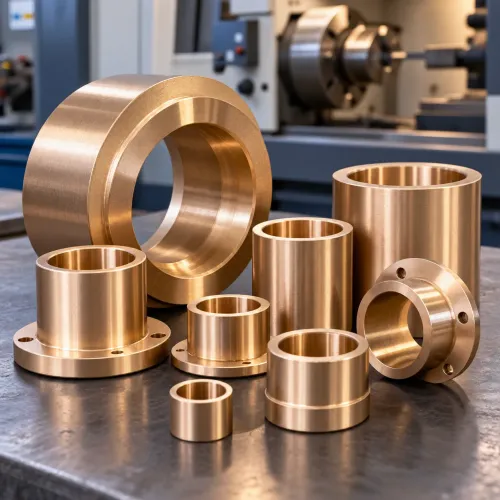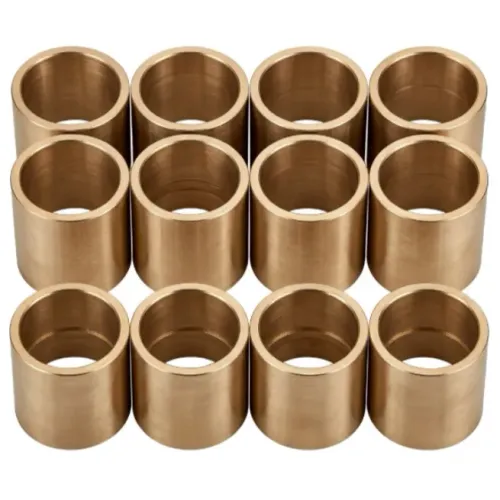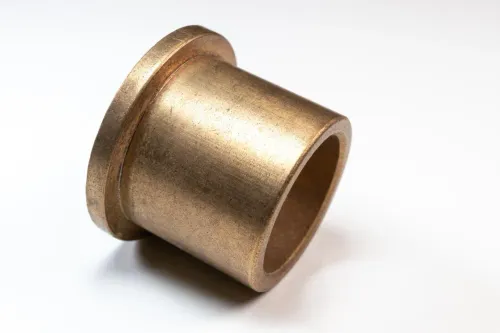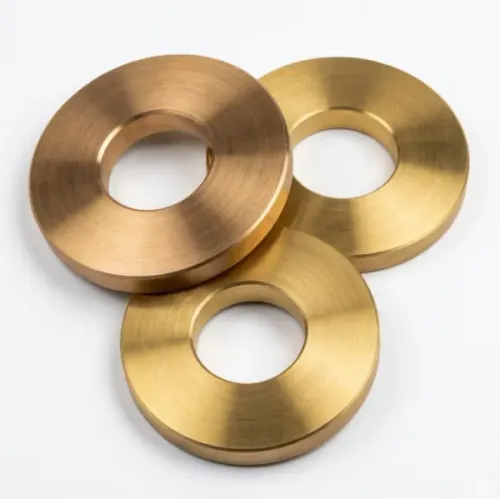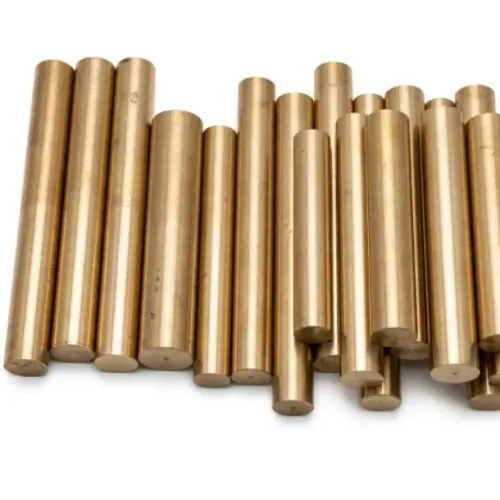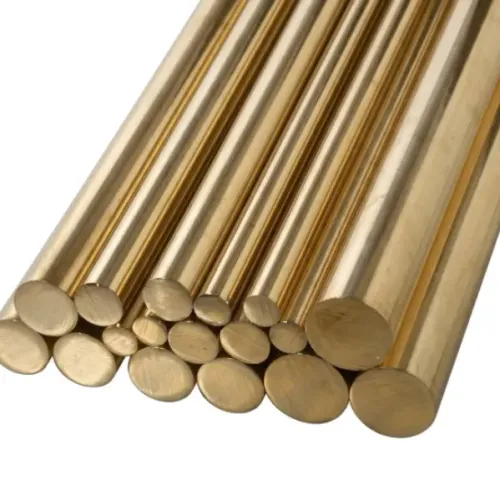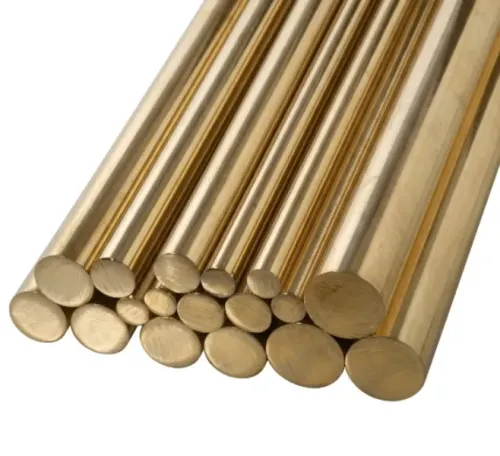
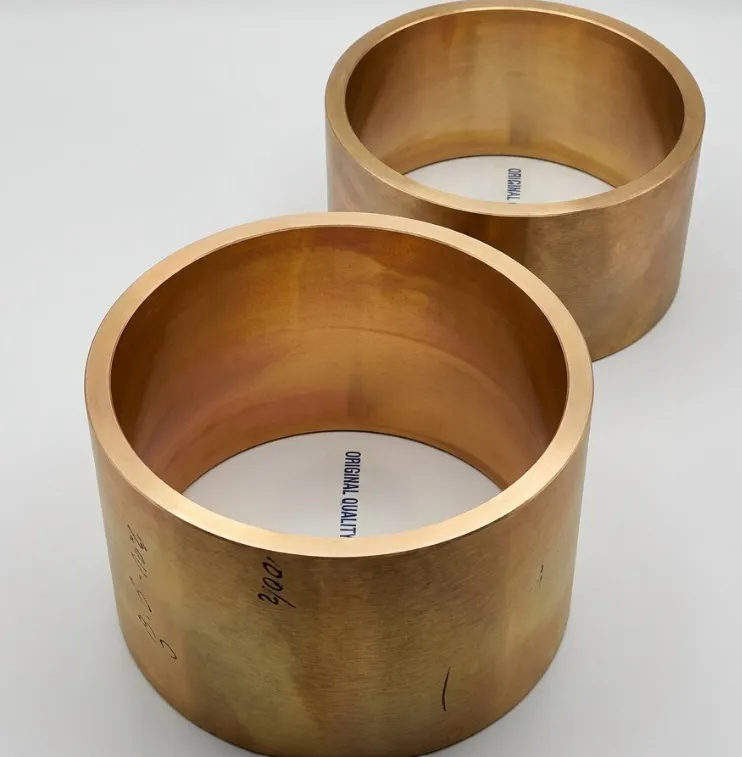
Selecting the right Aluminum Bronze supplier is about more than comparing quotations. In industries where machinery operates continuously and components are exposed to heavy loads, corrosion, and friction, the quality of the alloy directly influences equipment performance and maintenance costs. A reliable supplier can help ensure consistency in material properties, machining accuracy, and delivery schedules, while an unsuitable supplier may contribute to production delays and premature component failures.
For procurement managers, OEM manufacturers, and maintenance engineers, a structured evaluation process can reduce sourcing risks and support long-term operational reliability.
Start with Manufacturing Capability
The first step is understanding whether the supplier has the infrastructure to manufacture aluminum bronze components consistently. Industrial buyers should evaluate production facilities rather than relying only on product catalogues.
Look for capabilities such as:
- Modern melting and casting facilities
- Precision machining equipment
- Heat treatment processes where required
- Inspection and testing facilities
- Custom manufacturing capability
A manufacturer with integrated production processes generally has greater control over quality throughout the manufacturing cycle.
Verify Material Expertise
Aluminum bronze is available in multiple grades, each designed for different operating conditions. A knowledgeable supplier should understand how alloy composition affects strength, wear resistance, corrosion performance, and machinability.
Before placing an order, ask whether the manufacturer can recommend suitable grades based on:
- Operating loads
- Rotational speeds
- Working temperatures
- Lubrication methods
- Environmental exposure
Technical guidance often adds more value than simply supplying standard components.
Review Quality Assurance Procedures
Quality control should be part of every stage of production rather than only the final inspection.
Reliable manufacturers generally perform:
- Chemical composition analysis
- Dimensional inspection
- Mechanical property testing
- Surface finish verification
- Material traceability
- Final quality checks
Requesting inspection reports or material certificates can provide additional confidence, particularly for critical industrial applications.
Evaluate Experience in Your Industry
Suppliers with experience across different industries often understand application-specific requirements more effectively.
Aluminum bronze components are widely used in:
- Steel plants
- Marine engineering
- Mining operations
- Sugar mills
- Cement manufacturing
- Power generation
- Heavy engineering
- Material handling systems
Manufacturers serving these industries are often familiar with demanding operating environments and customer expectations.
Consider Machining Accuracy
Even the highest-quality alloy can underperform if machining tolerances are not maintained. Accurate dimensions ensure proper installation, reduce vibration, and improve equipment life.
When evaluating a supplier, consider whether they have:
- CNC machining capability
- Precision measuring equipment
- Experienced machinists
- Consistent dimensional control
Precision machining becomes particularly important for bushes, bearings, sleeves, and other rotating components.
Assess Production Capacity
Large industrial projects often require consistent supply over extended periods. Procurement teams should confirm whether the manufacturer can meet production schedules without compromising quality.
Questions to ask include:
- Can repeat orders be supplied consistently?
- Are custom sizes available?
- What are the standard lead times?
- How are urgent orders handled?
Reliable delivery supports smoother production planning.
Importance of Technical Communication
Good suppliers work collaboratively with customers rather than simply processing purchase orders.
Providing application details allows the manufacturer to recommend suitable alloys, production methods, and machining specifications.
Useful information includes:
- Operating conditions
- Component drawings
- Required tolerances
- Production quantities
- Inspection requirements
Clear communication reduces the likelihood of manufacturing errors and project delays.
Choosing a Dependable Manufacturing Partner
Industrial sourcing decisions should balance cost with technical capability, manufacturing quality, and long-term reliability. Selecting a supplier based solely on price may lead to increased maintenance costs and shorter component life.
Kamal Deep Metal Works Pvt Ltd, based in Delhi, manufactures aluminum bronze components for a wide range of engineering applications. With expertise in non-ferrous metal casting, precision machining, and quality-controlled manufacturing, the company supports industrial buyers seeking dependable components for demanding operating environments. Careful supplier evaluation ultimately helps businesses improve equipment reliability, reduce operational risks, and achieve better value throughout the lifecycle of industrial machinery.
Keywords