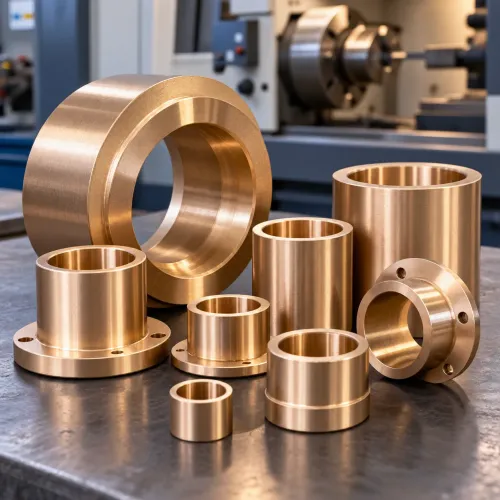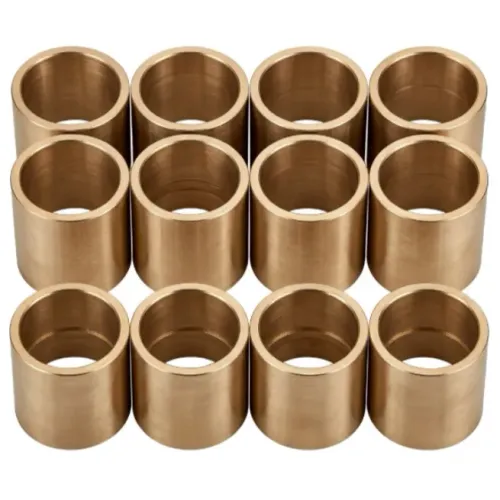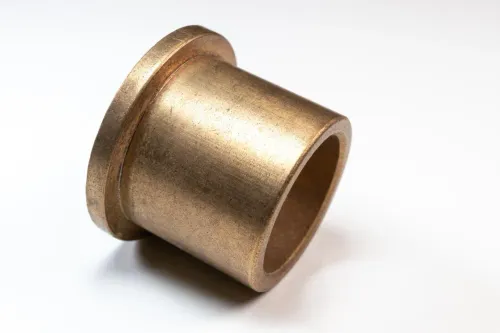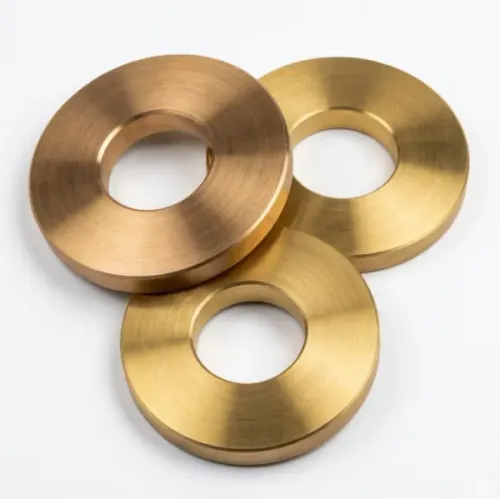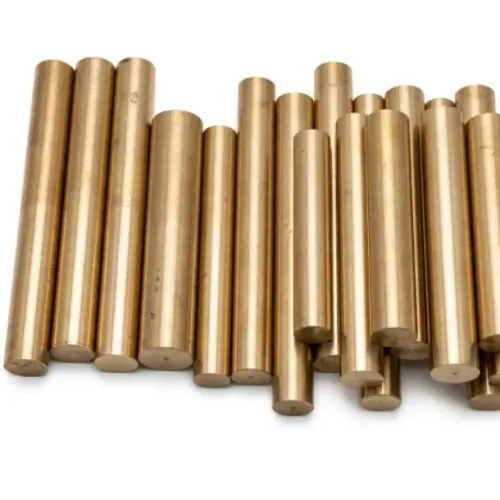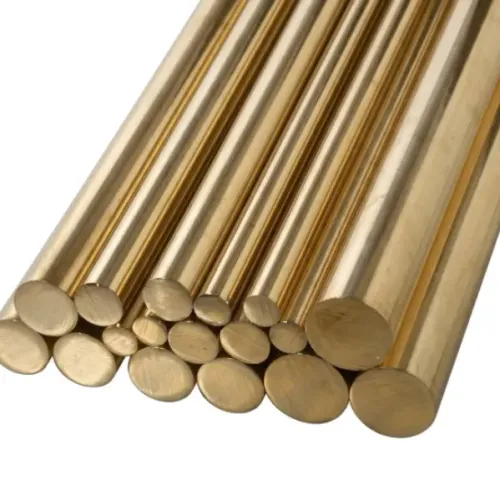
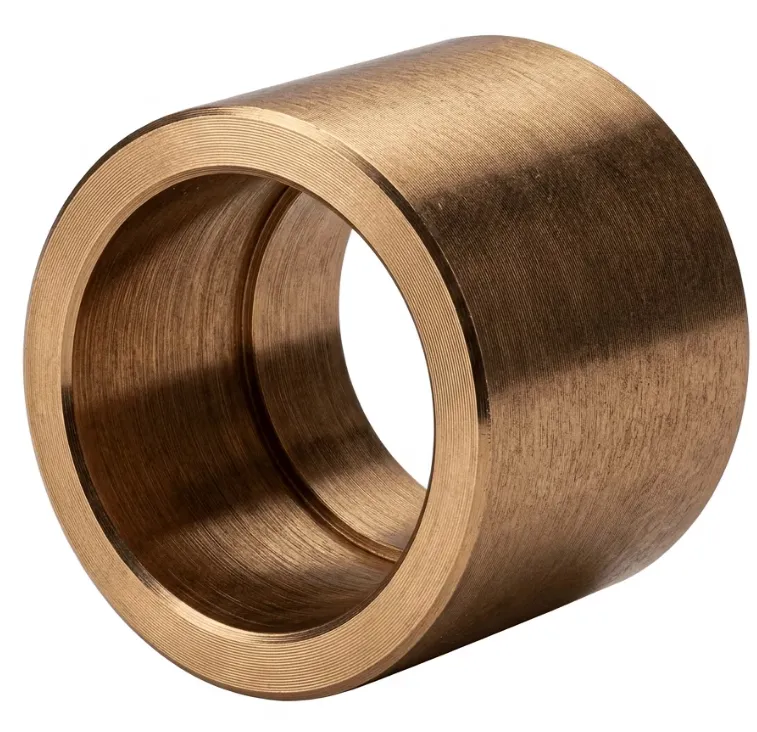
A Sugar Mill Liner Bush operates in one of the most demanding industrial environments. Crushing equipment, milling rollers, and associated machinery are exposed to heavy loads, continuous rotation, dust, moisture, and seasonal production pressures. Under these conditions, the quality of a liner bush has a direct influence on equipment reliability, maintenance schedules, and plant productivity.
For procurement managers, plant maintenance teams, and OEM manufacturers, choosing the right liner bush requires a careful assessment of material quality, manufacturing standards, and application requirements rather than focusing only on purchase price.
Why Sugar Mill Liner Bushes Matter
Liner bushes provide a bearing surface that supports rotating shafts while minimising friction and wear. In sugar mills, these components are expected to operate continuously throughout the crushing season, making durability a critical requirement.
A poorly manufactured bush can lead to:
- Increased shaft wear
- Excessive vibration
- Reduced machine efficiency
- Frequent maintenance shutdowns
- Higher replacement costs
- Unplanned production losses
Selecting the correct liner bush helps maintain stable operations throughout the production cycle.
Operating Conditions in Sugar Mills
Sugar processing equipment presents several challenges for engineering components.
Typical operating conditions include:
- Heavy radial loads
- Continuous operation
- High mechanical stress
- Dust and contaminants
- Moisture exposure
- Variable operating temperatures
- Repetitive loading cycles
Because of these demanding conditions, manufacturers often recommend high-quality non-ferrous alloys with excellent wear resistance and mechanical strength.
Choosing the Right Material
Material selection plays a significant role in bush performance.
Industrial buyers should evaluate materials based on:
- Load-bearing capacity
- Wear resistance
- Corrosion resistance
- Machinability
- Fatigue strength
- Compatibility with shaft material
The most suitable alloy depends on the equipment design, lubrication system, and production environment.
Key Procurement Considerations
Before placing an order, procurement teams should collect complete technical information.
Important specifications include:
- Inner diameter
- Outer diameter
- Overall length
- Operating load
- Shaft material
- Lubrication method
- Required tolerances
- Surface finish requirements
Accurate technical data enables manufacturers to produce bushes that match the application's performance requirements.
Manufacturing Quality Influences Service Life
Even with the correct alloy, manufacturing quality determines how well a liner bush performs over time.
Reliable production generally includes:
- Certified raw material selection
- Controlled casting process
- Precision machining
- Heat treatment where applicable
- Dimensional inspection
- Surface finish verification
- Material testing
- Final quality approval
Consistent manufacturing reduces dimensional variations and improves operational reliability.
Signs That Replacement Is Required
Routine inspection helps maintenance teams identify wear before major failures occur.
Common indicators include:
- Excessive shaft clearance
- Visible scoring
- Increased operating noise
- Higher vibration levels
- Lubrication leakage
- Uneven wear patterns
- Declining machine accuracy
Replacing worn bushes during scheduled maintenance helps avoid costly emergency shutdowns.
Benefits of Preventive Procurement
Many industrial facilities maintain inventory of critical components before the crushing season begins.
This approach offers several advantages:
- Reduced downtime
- Faster maintenance
- Better production planning
- Lower emergency procurement costs
- Improved equipment availability
Strategic procurement also allows sufficient time for inspection and quality verification before installation.
Selecting a Reliable Manufacturer
When sourcing sugar mill liner bushes, buyers should evaluate more than pricing alone. Manufacturing capability, alloy expertise, machining precision, quality assurance systems, and delivery performance all contribute to long-term value.
Kamal Deep Metal Works Pvt Ltd, based in Delhi, manufactures non-ferrous metal components for heavy industrial applications, including sugar mill equipment. Through controlled manufacturing processes, precision machining, and comprehensive quality inspection, the company supports industrial customers seeking reliable liner bushes designed for demanding operating environments.
For procurement professionals, investing time in supplier evaluation and technical specification review helps ensure that sugar mill liner bushes contribute to longer equipment life, improved production efficiency, and lower maintenance costs throughout every operating season.
Keywords