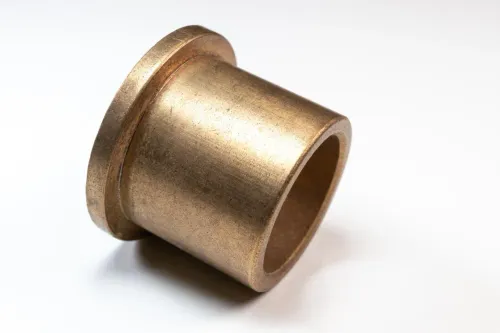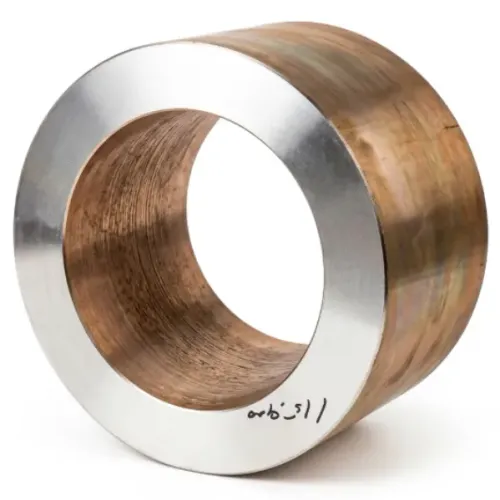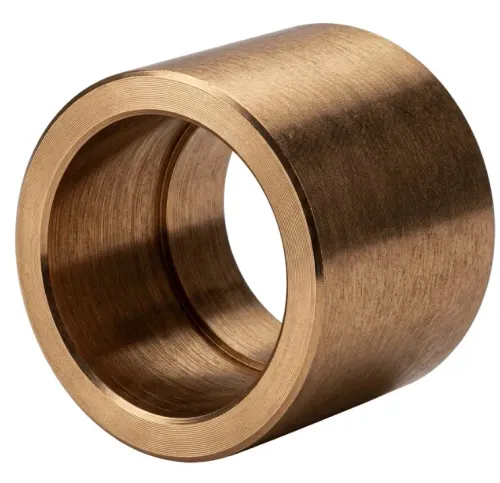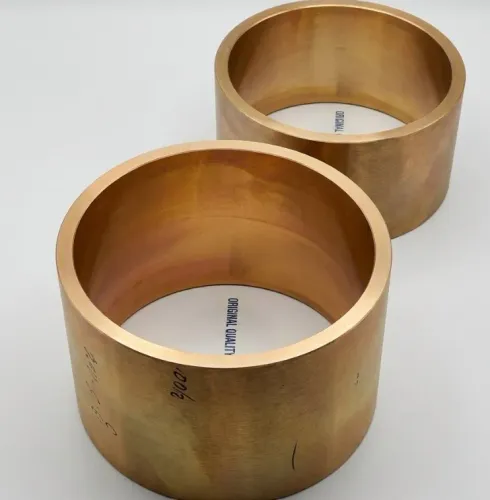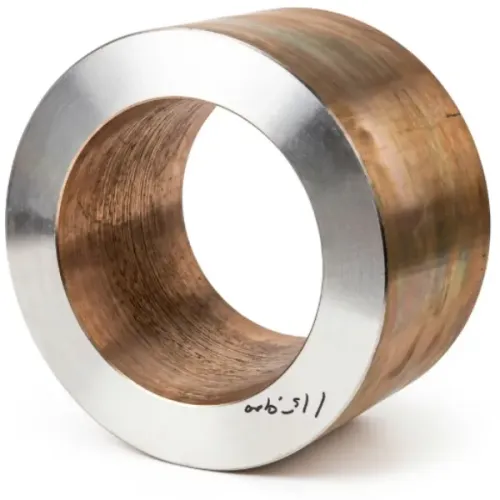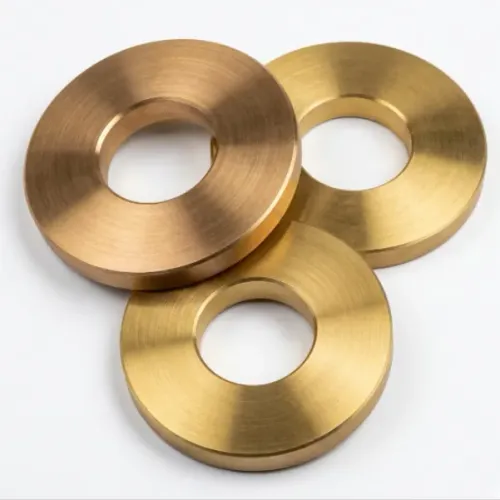
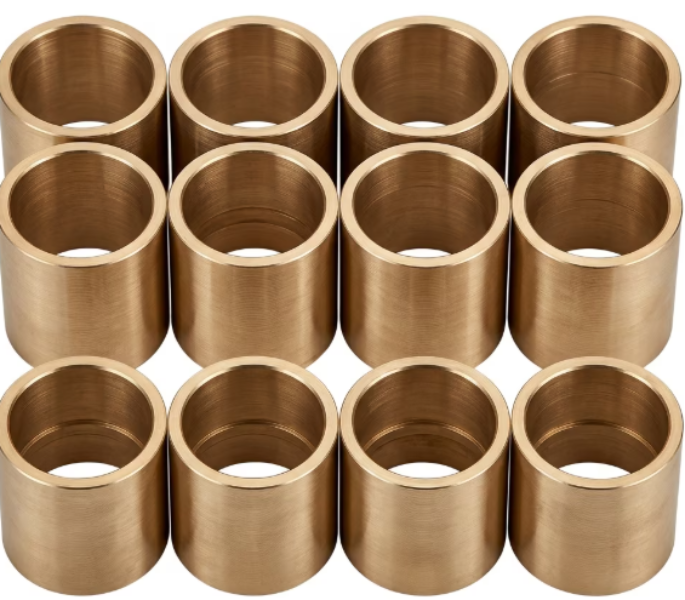
Selecting the right Gun Metal Bushes is an important decision for industries that rely on rotating machinery. These bushes are widely used because they provide excellent bearing properties, good machinability, and dependable performance under moderate to heavy operating conditions. However, procurement decisions based only on price or immediate availability often lead to premature wear, increased maintenance, and higher lifecycle costs.
For procurement managers, OEM manufacturers, and maintenance engineers, understanding the most common purchasing mistakes can help improve equipment reliability while reducing long-term operational expenses.
Overlooking the Actual Application
One of the most common mistakes is ordering a standard bush without fully understanding the operating environment.
Every application differs in terms of:
- Operating load
- Rotational speed
- Lubrication conditions
- Working temperature
- Environmental exposure
- Shaft material
A bush that performs well in one machine may not be suitable for another. Providing complete technical details to the manufacturer allows the most appropriate material and dimensions to be recommended.
Choosing Based Only on Price
Lower purchase costs can appear attractive during procurement, but cheaper components often result in higher maintenance expenses.
Poor-quality bushes may lead to:
- Faster wear
- Shaft damage
- Increased vibration
- Frequent replacement
- Machine downtime
- Reduced production efficiency
Considering the total cost of ownership rather than the initial purchase price usually delivers better long-term value.
Ignoring Material Quality
Gun metal is available in different grades, and not every alloy offers identical mechanical properties.
Before purchasing, buyers should verify:
- Chemical composition
- Material certification
- Mechanical properties
- Manufacturing standards
Selecting an appropriate alloy helps improve wear resistance and operational life.
Not Verifying Manufacturing Accuracy
Dimensional precision is essential for proper installation and smooth machine operation.
Even small dimensional errors may result in:
- Improper shaft alignment
- Excessive clearance
- Lubrication issues
- Premature bearing failure
- Increased operating noise
Reliable manufacturers maintain strict machining tolerances and inspection procedures to minimise these risks.
Skipping Quality Documentation
Industrial buyers sometimes overlook the importance of inspection reports and traceability.
Requesting quality documentation provides confidence that the supplied component meets specified requirements.
Typical documentation may include:
- Material test certificates
- Dimensional inspection reports
- Quality control records
- Heat treatment information where applicable
These records are particularly valuable for critical industrial applications.
Ignoring Lubrication Requirements
The performance of a gun metal bush depends not only on material quality but also on proper lubrication.
Before selecting a bush, buyers should evaluate:
- Type of lubricant
- Lubrication frequency
- Operating environment
- Expected maintenance intervals
A suitable lubrication system significantly extends component life.
Working with Inexperienced Suppliers
Industrial components require specialised manufacturing knowledge. Choosing suppliers without sufficient experience in non-ferrous engineering products may increase the risk of inconsistent quality.
When evaluating suppliers, consider:
- Manufacturing capability
- Industry experience
- Alloy expertise
- Precision machining facilities
- Inspection systems
- Delivery performance
Experienced manufacturers are generally better equipped to meet demanding industrial specifications.
Failing to Plan Preventive Replacement
Waiting until complete failure occurs often results in expensive production interruptions.
Instead, maintenance teams should monitor bushes regularly for:
- Surface wear
- Shaft clearance
- Vibration
- Noise
- Lubrication condition
- Temperature changes
Replacing bushes during scheduled maintenance helps reduce emergency repairs and protects adjacent machine components.
Making Better Procurement Decisions
A successful procurement strategy balances technical performance, manufacturing quality, and long-term reliability. Buyers who evaluate suppliers carefully and specify complete technical requirements are more likely to receive components that perform consistently under demanding conditions.
Kamal Deep Metal Works Pvt Ltd, based in Delhi, manufactures gun metal bushes and other non-ferrous engineering components for industrial applications. Through precision manufacturing, material expertise, and comprehensive quality control, the company supports OEMs and industrial buyers seeking durable components designed to deliver dependable performance over extended operating periods. By avoiding common procurement mistakes, businesses can improve equipment reliability while reducing maintenance costs and unplanned downtime.
Keywords