Wire drawing is one of the most precise manufacturing processes used across industries such as electrical cables, steel wire, welding consumables, fasteners, springs, and automotive components. Every stage of the process depends on components that can withstand continuous friction, high operating speeds, and significant mechanical stress. Among these, the Wire Drawing Pulley plays an essential role in maintaining production quality and operational efficiency.
For OEM manufacturers, maintenance engineers, and procurement managers, selecting the appropriate pulley involves more than comparing dimensions or prices. Material quality, manufacturing precision, and application suitability all contribute to long-term machine performance.
Understanding the Role of a Wire Drawing Pulley
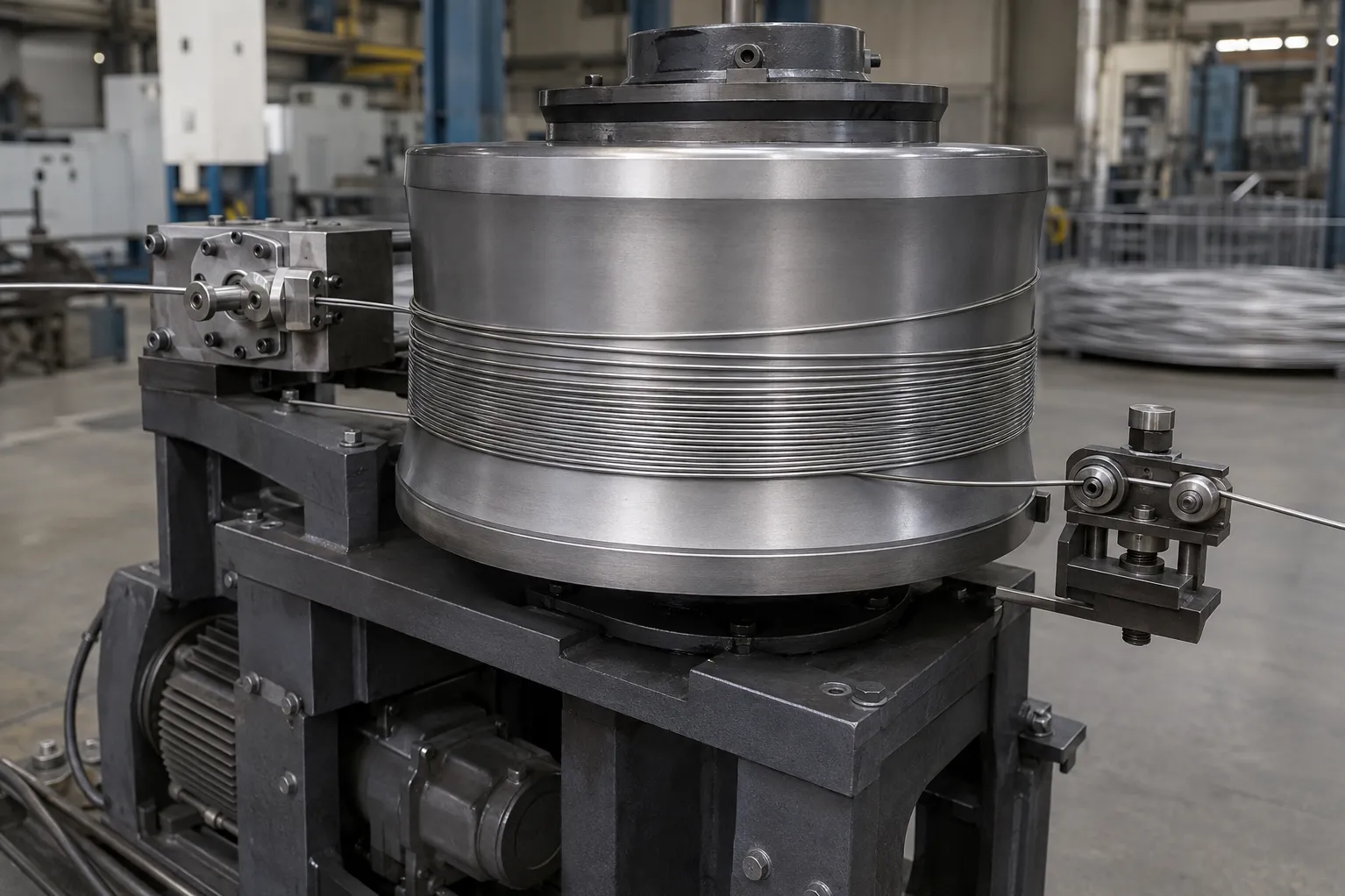
A wire drawing pulley guides and supports the wire as it passes through the drawing process. It helps maintain proper wire movement while minimising slippage and ensuring consistent tension throughout production.
Since the pulley is in constant contact with moving wire, it experiences continuous wear. Any variation in surface quality or dimensional accuracy can directly affect wire finish, product consistency, and machine efficiency.
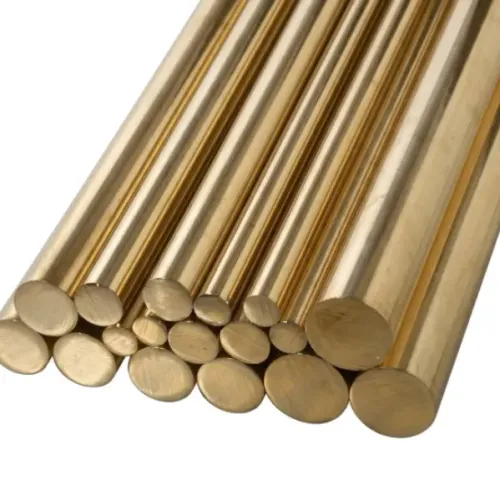
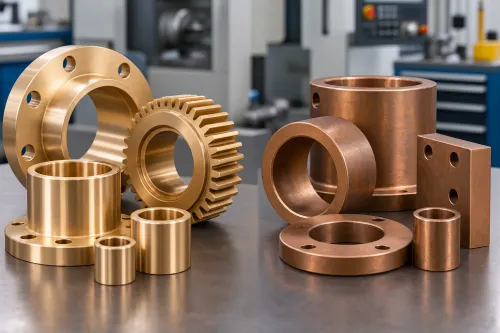
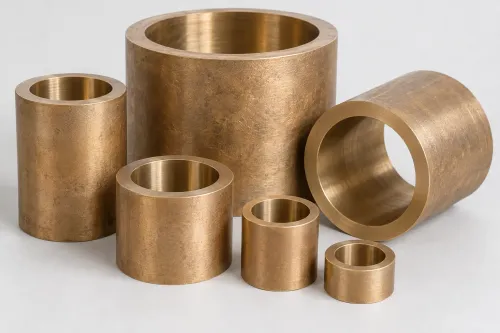
For this reason, manufacturers often choose high-quality non-ferrous alloys designed to perform reliably under demanding industrial conditions.
Why Material Selection Matters
The working environment of a wire drawing machine places considerable stress on every rotating component. A pulley manufactured from unsuitable material may wear prematurely, requiring frequent replacement and increasing maintenance costs.
Depending on the application, industrial manufacturers may select materials that offer:
- Excellent wear resistance
- Good mechanical strength
- Low friction characteristics
- Corrosion resistance
- Dimensional stability
- Reliable performance during continuous operation
The right material helps maintain smoother production while reducing unexpected downtime.
Common Industries Using Wire Drawing Pulleys
Wire drawing equipment serves numerous industrial sectors, making pulley quality important across a wide range of manufacturing environments.
Typical applications include:
- Cable manufacturing
- Steel wire production
- Copper wire manufacturing
- Aluminium wire processing
- Spring manufacturing
- Fastener production
- Welding wire manufacturing
- Industrial wire rope production
Many manufacturers in Delhi rely on precision-engineered pulleys to support consistent production across these industries.
Factors to Evaluate Before Purchasing
Every production line has unique operating requirements. Procurement teams should evaluate several technical parameters before selecting a wire drawing pulley.
Important considerations include:
- Wire material
- Wire diameter
- Operating speed
- Load requirements
- Surface finish
- Groove dimensions
- Pulley diameter
- Mounting compatibility
Providing these specifications to the manufacturer helps ensure the supplied component matches the application's performance requirements.
How Precision Manufacturing Improves Performance
Even minor dimensional variations can influence the drawing process. Precision manufacturing contributes to better equipment performance by ensuring:
- Accurate balancing
- Uniform groove profiles
- Consistent dimensions
- Improved rotation
- Reduced vibration
- Better wire guidance
Well-machined pulleys also minimise uneven wear, extending component life while improving production consistency.
Signs That a Pulley Needs Replacement
Regular inspection allows maintenance teams to identify wear before it affects production quality.
Common indicators include:
- Visible groove wear
- Uneven wire movement
- Surface scoring
- Increased vibration
- Noise during operation
- Declining wire finish quality
- Frequent wire breakage
Replacing worn pulleys at the appropriate time helps prevent secondary damage to surrounding machine components.
Importance of Quality Control
Industrial buyers increasingly prioritise suppliers that maintain consistent manufacturing standards. Quality assurance typically includes inspection of raw materials, machining accuracy, dimensional tolerances, and finished component quality.
Traceability, material certification, and inspection documentation also provide additional confidence when sourcing components for critical production equipment.
Selecting a Reliable Manufacturing Partner
Choosing the right supplier involves evaluating technical capability as much as product availability. Buyers should consider:
- Manufacturing experience
- Alloy expertise
- Machining capability
- Inspection procedures
- Custom manufacturing options
- Delivery consistency
- Industry knowledge
For businesses operating in Delhi and other industrial regions, working with an experienced manufacturer can simplify procurement while supporting long-term equipment reliability.
Kamal Deep Metal Works Pvt Ltd manufactures non-ferrous engineering components for industrial applications, including precision solutions used in wire drawing equipment. Understanding material performance, production quality, and application requirements enables procurement professionals to select wire drawing pulleys that contribute to stable production, improved equipment life, and consistent manufacturing outcomes.
Keywords