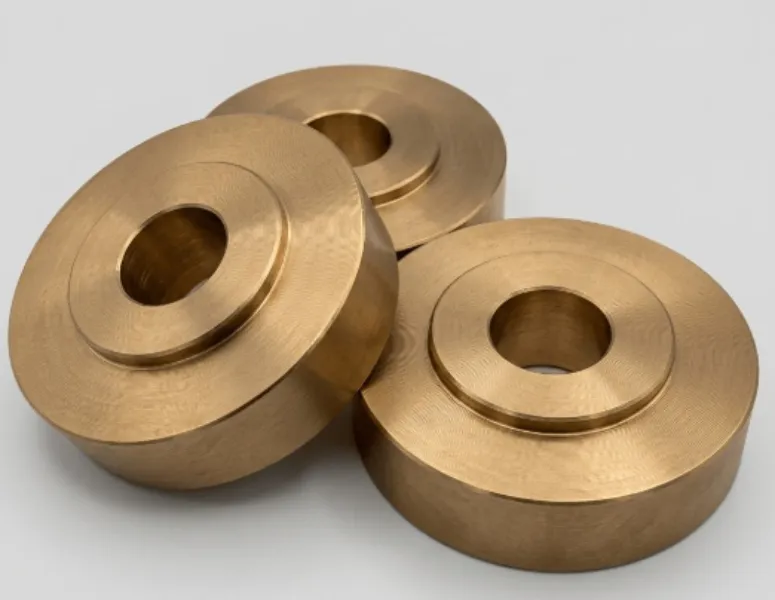
Selecting the right casting material is one of the most important decisions in industrial manufacturing. Components used in heavy machinery, marine equipment, mining systems, and process industries must withstand high mechanical loads, abrasive environments, and continuous operation. Aluminum Bronze Casting has become a preferred solution because it combines exceptional strength with excellent resistance to corrosion and wear.
Industrial buyers increasingly specify aluminum bronze castings when reliability is a priority rather than simply choosing the lowest-cost material.
Understanding Aluminum Bronze Alloys
Aluminum bronze is primarily composed of copper and aluminium, with additional alloying elements such as iron, nickel, or manganese depending on the application.
This combination creates an alloy known for:
- High tensile strength
- Outstanding wear resistance
- Excellent corrosion resistance
- Good fatigue strength
- Long service life
These characteristics make it suitable for demanding engineering environments.
Typical Components Manufactured
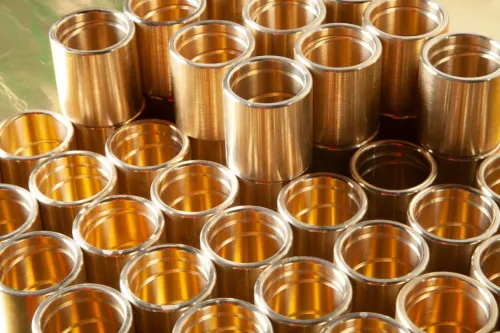
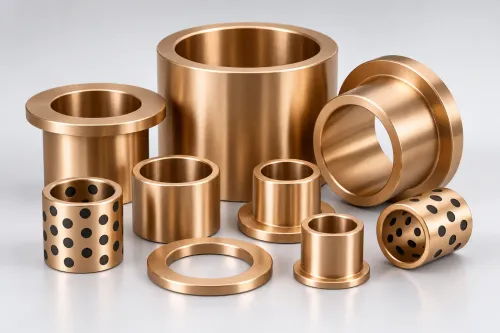
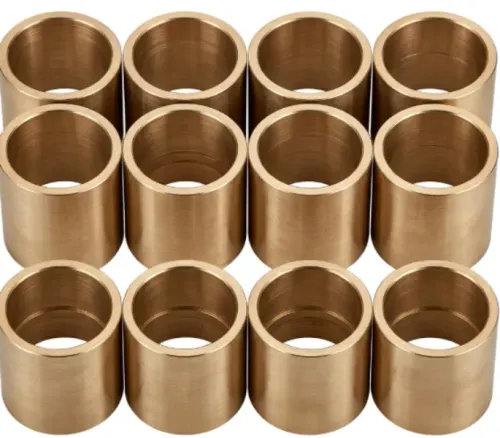
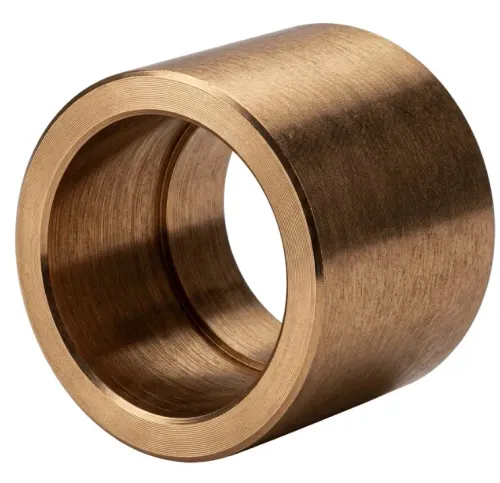
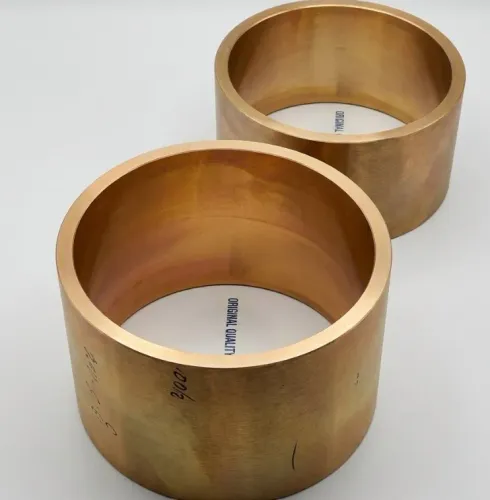
Aluminum bronze casting is used to manufacture numerous industrial components, including:
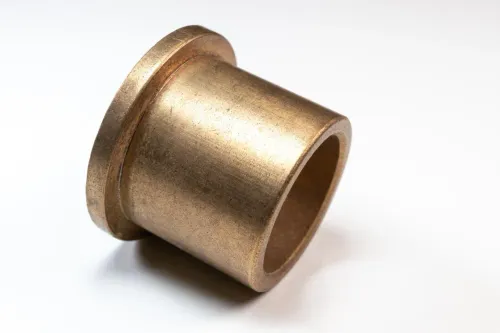
- Bushes
- Bearings
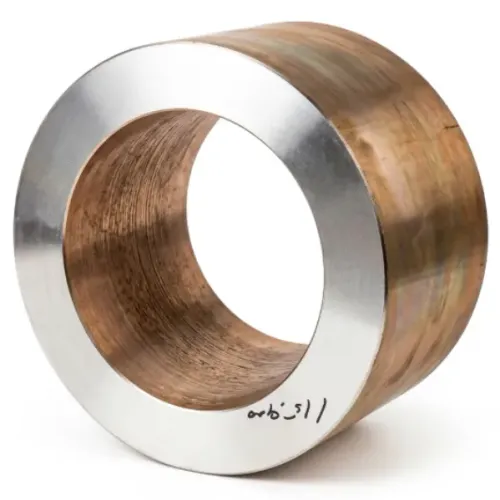
- Sleeves
- Gears
- Wear plates
- Marine fittings
- Pump components
- Valve bodies
- Structural machine parts
Each component benefits from the alloy's ability to maintain performance under challenging conditions.
Why Engineers Choose Aluminum Bronze
Compared with many conventional casting materials, aluminum bronze provides several engineering advantages.
These include:
- Better resistance to impact loading
- Improved resistance to seawater corrosion
- Lower maintenance requirements
- Enhanced durability
- Good machinability after casting
- Reliable performance under heavy loads
These properties contribute to longer equipment life and reduced maintenance costs.
Manufacturing Process Considerations
The final quality of a casting depends on multiple production factors.
Important manufacturing stages include:
- Raw material selection
- Alloy composition control
- Melting temperature management
- Mould preparation
- Controlled solidification
- Heat treatment where applicable
- Precision machining
- Quality inspection
Each stage influences the performance of the finished component.
Applications Across Industries
Aluminum bronze castings serve a broad range of industrial sectors.
Examples include:
- Marine engineering
- Offshore equipment
- Power generation
- Steel production
- Chemical processing
- Mining operations
- Sugar manufacturing
- Heavy machinery
- Defence engineering
Many manufacturers and industrial maintenance teams in Delhi source these castings for critical applications where durability is essential.
Common Selection Criteria
Procurement teams should evaluate more than price when selecting aluminum bronze castings.
Key considerations include:
- Alloy grade
- Mechanical properties
- Dimensional tolerances
- Machining capability
- Inspection procedures
- Production capacity
- Delivery consistency
A well-documented manufacturing process often provides greater confidence in component quality.
The Value of Consistent Quality
Consistency is particularly important for OEMs producing machinery in volume. Uniform material properties and dimensional accuracy help ensure reliable assembly and predictable equipment performance across production batches.
Companies such as Kamal Deep Metal Works Pvt Ltd manufacture aluminum bronze castings in Delhi for industrial customers requiring dependable non-ferrous components. By combining suitable alloy selection with controlled manufacturing practices, buyers can obtain castings that support long-term operational efficiency and minimise unexpected equipment failures.
Keywords