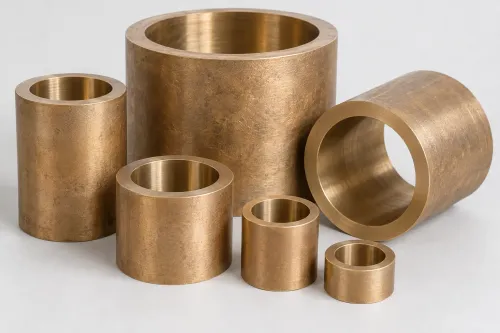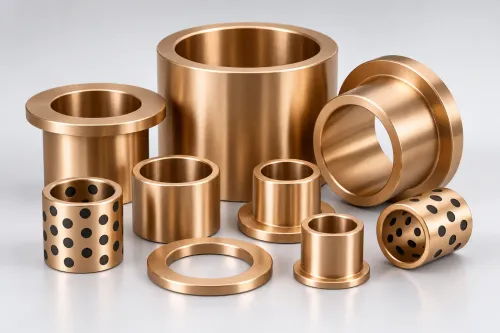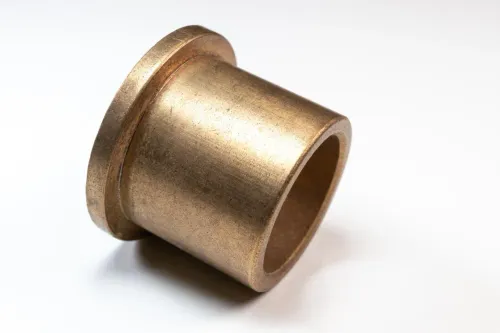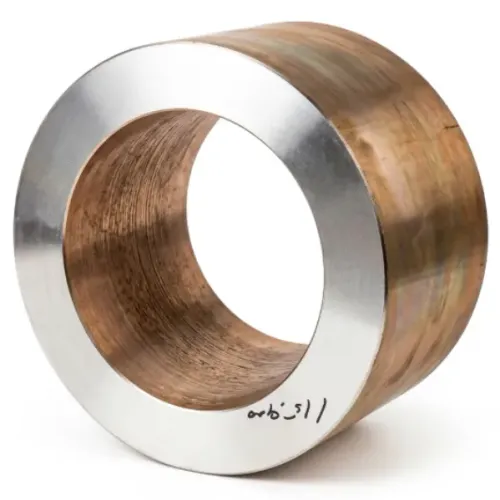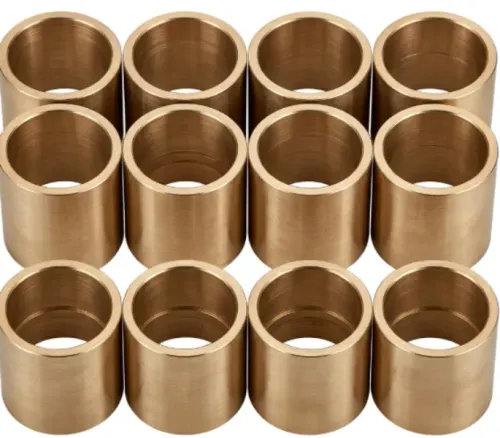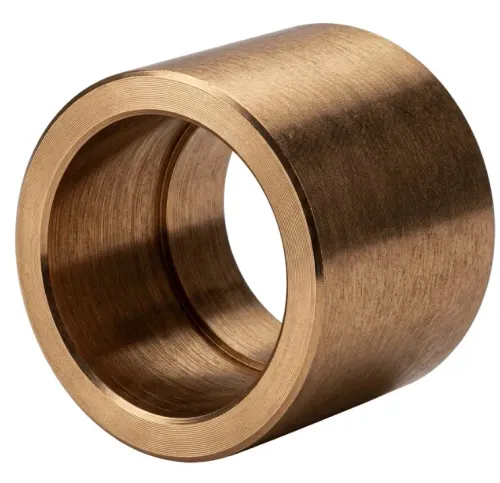

Bronze Flat Bar is a high-quality metal product widely used in engineering, construction, electrical, and industrial manufacturing applications. Made primarily from copper-based bronze alloys, bronze flat bars offer excellent strength, corrosion resistance, durability, and wear resistance. These bars are manufactured in rectangular flat shapes and are commonly used for machining components, fabricating industrial parts, and producing heavy-duty mechanical components.
Due to their outstanding mechanical properties and long service life, bronze flat bars are extensively used in industries such as marine engineering, electrical equipment, automotive manufacturing, heavy machinery, and construction. Their resistance to corrosion and oxidation makes them particularly suitable for environments exposed to moisture, chemicals, and extreme temperatures.
Manufacturers supply bronze flat bars in different sizes, thicknesses, and alloy grades to meet various industrial requirements. These bars are known for their excellent machinability, allowing engineers and manufacturers to easily fabricate complex components with high precision.
What is a Bronze Flat Bar?
A bronze flat bar is a solid rectangular metal bar produced from bronze alloy. Bronze is an alloy primarily composed of copper and tin, although modern bronze alloys may include additional elements such as phosphorus, aluminum, silicon, or manganese to enhance strength and corrosion resistance.
Bronze flat bars are widely used as raw materials for machining parts such as:
Bushes and bearings
Electrical connectors
Industrial plates
Pump and valve components
Machine parts
These bars provide excellent mechanical stability and structural reliability, making them an ideal choice for heavy-duty industrial applications.
Manufacturing Process of Bronze Flat Bars
The production of bronze flat bars involves several precise manufacturing steps to ensure high quality and consistent performance.
1. Raw Material Selection
High-purity copper and alloying elements are selected to maintain the required bronze composition.
2. Melting and Alloying
The raw materials are melted in high-temperature furnaces and alloying elements are added to achieve the desired properties.
3. Casting Process
The molten bronze is poured into moulds through different casting methods such as:
Continuous Casting
Sand Casting
Centrifugal Casting
These processes help produce dense and defect-free bronze bars.
4. Rolling and Shaping
After casting, the metal is rolled or machined into flat rectangular shapes with precise dimensions.
5. Surface Finishing
The bars undergo finishing processes such as:
Grinding
Polishing
Surface treatment
This ensures smooth surfaces and dimensional accuracy.
Key Properties of Bronze Flat Bars
Bronze flat bars are valued for their unique combination of mechanical and chemical properties.
High Strength
Bronze offers excellent strength and durability, making it suitable for heavy-load applications.
Excellent Corrosion Resistance
Bronze resists corrosion from water, chemicals, and atmospheric conditions, which increases product lifespan.
Superior Wear Resistance
Due to its hardness and low friction characteristics, bronze performs well in components subjected to constant movement and friction.
Good Electrical Conductivity
Bronze flat bars are commonly used in electrical applications due to their reliable conductivity.
Excellent Machinability
The alloy can be easily cut, drilled, and machined into complex shapes.
Advantages of Bronze Flat Bars
Using bronze flat bars offers several advantages for industrial manufacturers.
Durability
Bronze bars are extremely durable and provide long service life even under demanding conditions.
Low Maintenance
The corrosion-resistant nature of bronze reduces maintenance and replacement costs.
Versatility
Bronze flat bars can be used in multiple industries and manufacturing applications.
High Load Capacity
These bars can withstand heavy loads without deformation.
Resistance to Harsh Environments
Bronze performs exceptionally well in marine and chemical environments.
Industrial Applications of Bronze Flat Bars
Bronze flat bars are used in a wide range of industries due to their strength and reliability.
Engineering Industry
Used for manufacturing precision components such as bushings, bearings, and gears.
Marine Industry
Bronze is highly resistant to seawater corrosion, making it ideal for marine fittings and ship components.
Electrical Industry
Used in electrical connectors, bus bars, and switchgear components.
Construction Industry
Bronze flat bars are used for architectural and structural applications.
Automotive Industry
Used in automotive parts requiring wear resistance and durability.
Available Sizes and Specifications
Bronze flat bars are available in a wide range of sizes to meet industrial requirements.
Common specifications include:
Thickness: 3 mm to 100 mm
Width: 20 mm to 300 mm
Length: Custom lengths available
Different bronze grades may include:
Phosphor Bronze
Aluminium Bronze
Gun Metal Bronze
Tin Bronze
Manufacturers can also provide customized dimensions and alloy compositions based on customer requirements.
Why Choose Bronze Flat Bars for Industrial Applications?
Bronze flat bars are widely preferred because they provide a perfect balance of strength, durability, and corrosion resistance. Compared with steel or brass, bronze offers better wear resistance and longer operational life in demanding industrial environments.
Their ability to perform under heavy loads, friction, and corrosive conditions makes them an essential material for engineering and manufacturing industries.
With modern casting and machining technologies, bronze flat bars can be produced with high dimensional accuracy, improved microstructure, and excellent mechanical performance, ensuring reliable operation in critical industrial applications.
Conclusion
Bronze flat bars are an essential material used across various industries due to their strength, corrosion resistance, machinability, and durability. Whether used in marine equipment, industrial machinery, electrical systems, or construction applications, bronze flat bars deliver outstanding performance and reliability.
As industries continue to demand stronger and more durable materials, bronze flat bars remain a trusted and efficient solution for manufacturing high-quality mechanical and engineering components.
Keywords