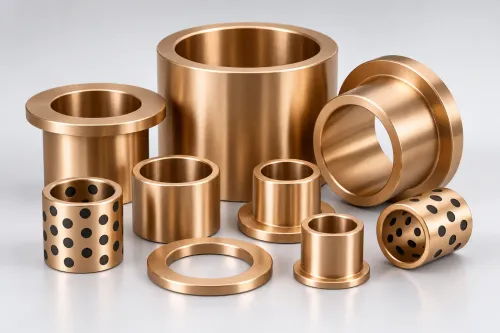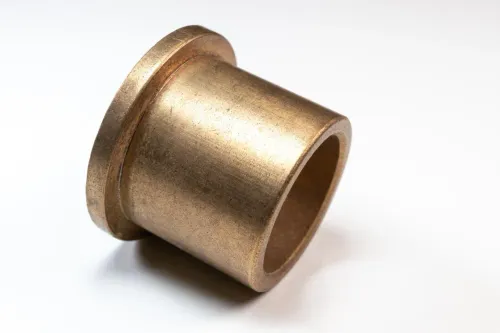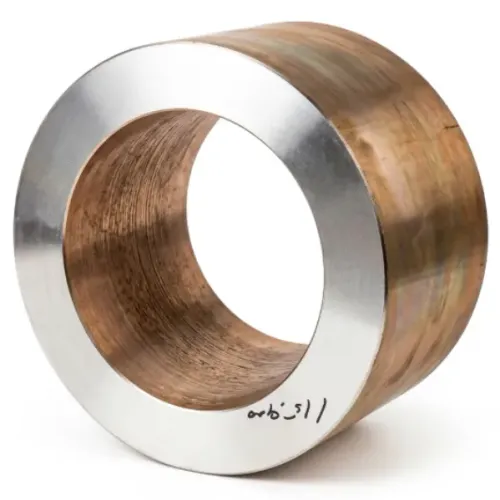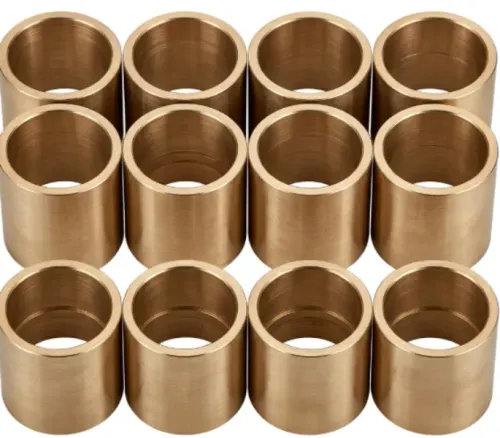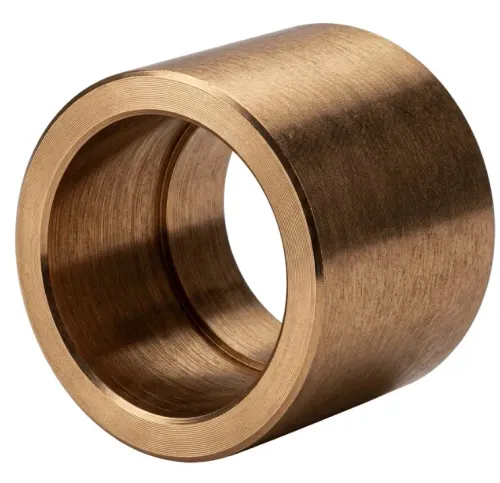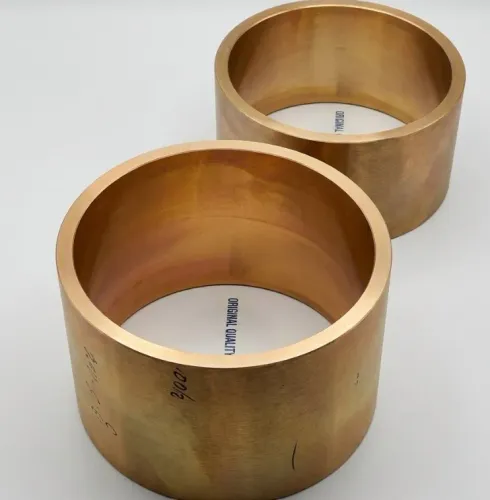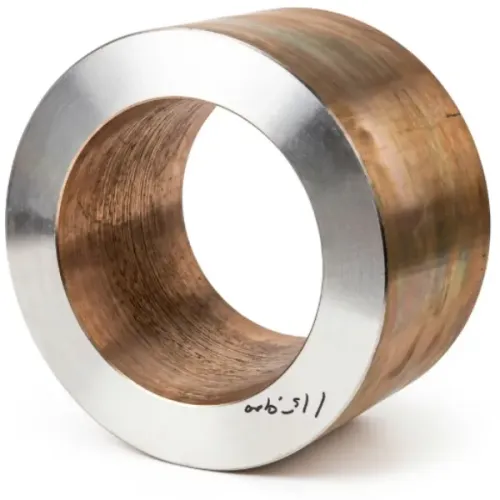
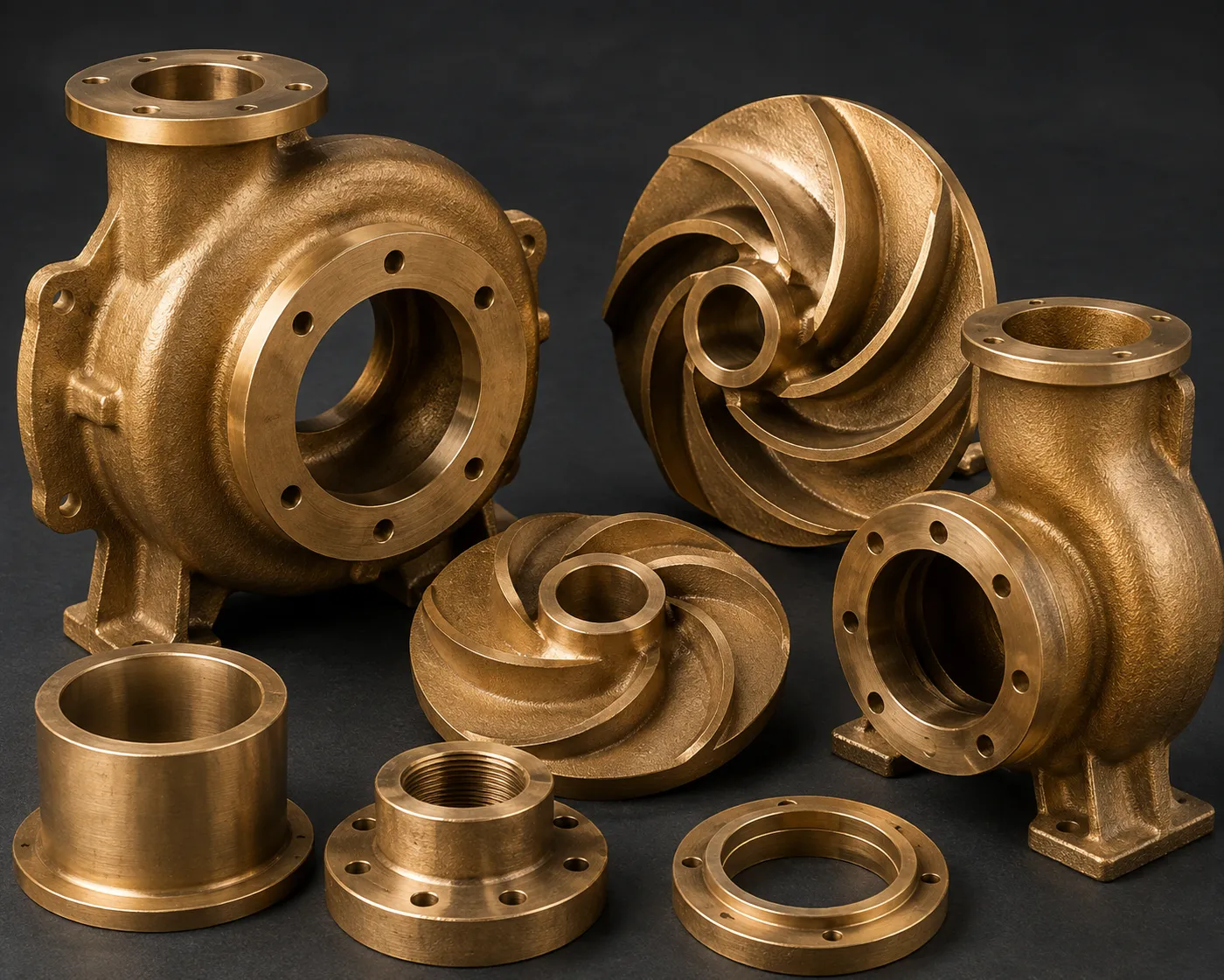
Bronze components are widely used in industrial equipment because they offer an excellent combination of strength, wear resistance, corrosion resistance, and machinability. Among the many manufacturing methods available, Bronze Centrifugal Castings have become a preferred choice for producing high-quality cylindrical components such as bushes, sleeves, liners, and bearings used across demanding industries.
Industrial buyers in Delhi and across India often evaluate casting methods before placing procurement orders, especially when component reliability directly affects machine performance. Understanding how centrifugal casting works can help procurement managers and maintenance teams make more informed purchasing decisions.
What Are Bronze Centrifugal Castings?
Bronze centrifugal casting is a manufacturing process where molten bronze is poured into a rotating mould. The centrifugal force distributes the molten metal evenly against the mould wall, producing dense and uniform castings with minimal internal defects.
Unlike conventional sand casting, this process naturally separates impurities towards the inner diameter, allowing manufacturers to remove them during machining.
The result is a casting with improved mechanical properties and greater structural integrity.
Why Industries Prefer This Manufacturing Method
The popularity of centrifugal casting comes from the quality of the finished product. Since the metal solidifies under centrifugal force, the casting develops a refined grain structure and fewer gas pockets.
Some important advantages include:
- Higher density
- Better wear resistance
- Reduced internal porosity
- Improved mechanical strength
- Longer operating life
- Better dimensional consistency
These benefits are particularly valuable in industries where equipment operates continuously under heavy loads.
Common Industrial Applications
Bronze centrifugal cast components are found in numerous sectors because they perform reliably under demanding operating conditions.
Typical applications include:
- Steel plants
- Cement factories
- Sugar mills
- Mining equipment
- Marine engineering
- Power generation
- Textile machinery
- Paper manufacturing
- Heavy engineering
- Material handling equipment
Many industrial facilities in Delhi procure these components for both new machinery and maintenance requirements.
Bronze Grades Used for Centrifugal Castings
The choice of bronze alloy depends on operating conditions.
Common grades include:
- Tin Bronze
- Leaded Bronze
- Phosphor Bronze
- Aluminium Bronze
- Gun Metal
- Nickel Aluminium Bronze
Each alloy offers different characteristics regarding strength, corrosion resistance, friction properties, and wear performance.
Selecting the appropriate alloy is just as important as choosing the manufacturing process.
Factors That Influence Component Performance
Several variables determine how well a bronze casting performs in service.
Important considerations include:
- Operating load
- Rotational speed
- Lubrication conditions
- Shaft hardness
- Working temperature
- Environmental exposure
- Required machining tolerance
Procurement decisions should always consider the actual working conditions rather than material cost alone.
How Quality Is Maintained During Production
Reliable manufacturers follow strict quality controls throughout production.
These typically include:
- Raw material inspection
- Controlled melting process
- Centrifugal casting under monitored conditions
- Heat treatment where required
- Dimensional inspection
- Chemical composition testing
- Mechanical property verification
- Final machining
Such practices help ensure consistency across production batches.
Why Dimensional Accuracy Matters
Industrial machinery often operates with very tight tolerances. Even minor dimensional variations can result in:
- Increased vibration
- Premature wear
- Shaft damage
- Lubrication issues
- Unexpected downtime
Precision machining after centrifugal casting helps achieve the dimensions required for critical industrial applications.
Choosing a Reliable Manufacturing Partner
While many suppliers offer bronze castings, industrial buyers should evaluate manufacturers based on:
- Manufacturing capability
- Material expertise
- Alloy availability
- Quality assurance systems
- Machining facilities
- Inspection capabilities
- Delivery consistency
Companies such as Kamal Deep Metal Works Pvt Ltd, serving industrial customers from Delhi, manufacture bronze centrifugal castings for diverse engineering applications while focusing on consistent production quality and material performance.
Understanding the manufacturing process allows procurement professionals to compare suppliers more effectively and choose components that deliver long-term operational reliability rather than simply meeting initial purchase requirements.
Keywords