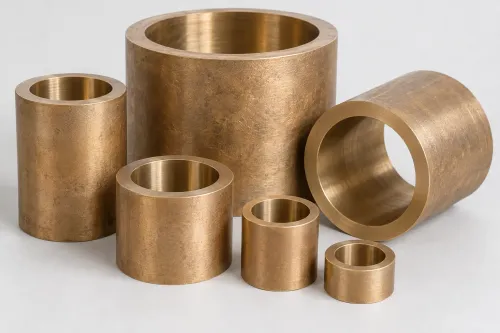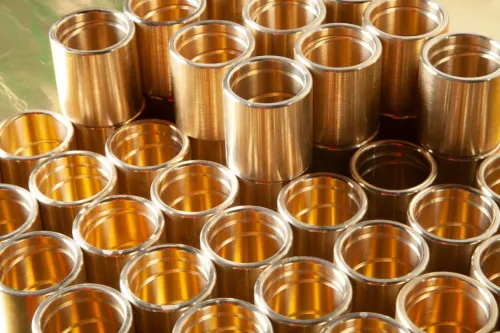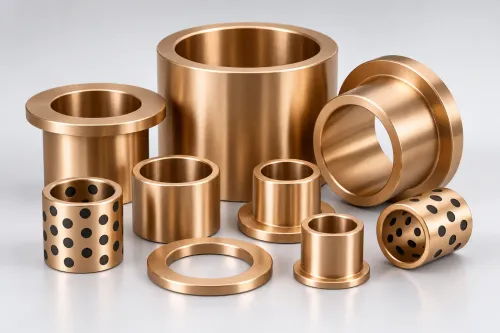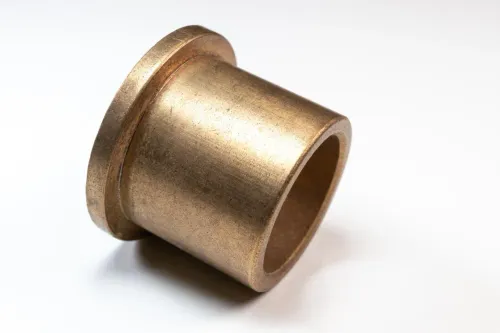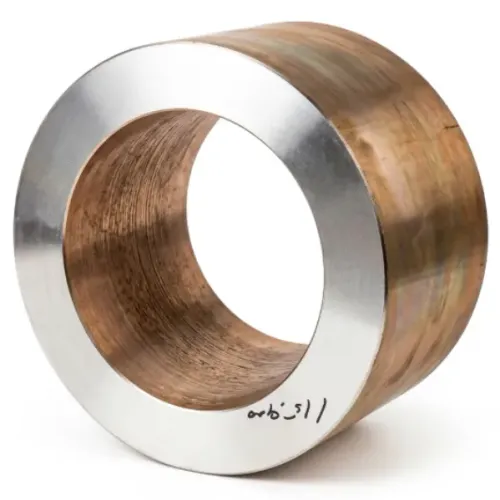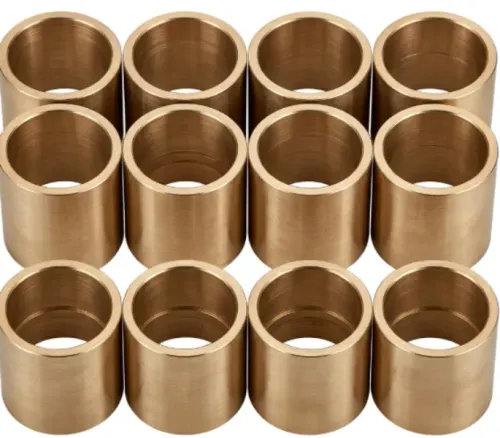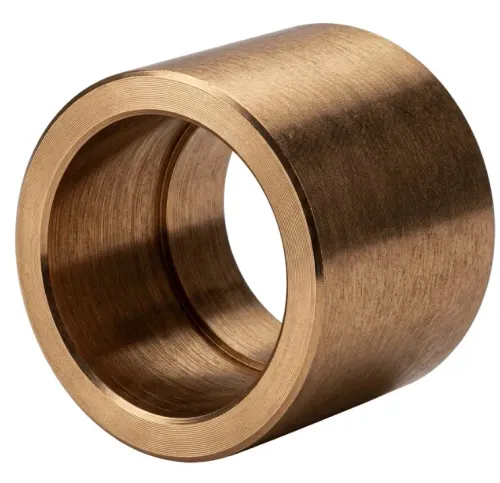

Aluminium Bronze Centrifugal Casting is a high-performance metal casting process used to manufacture strong, corrosion-resistant, and durable cylindrical components such as bushes, sleeves, rings, and bearings. This casting technique combines the superior mechanical properties of aluminium bronze alloys with the efficiency of centrifugal casting technology, resulting in dense, defect-free components suitable for heavy-duty industrial applications.
Aluminium bronze alloys are widely known for their excellent strength, wear resistance, corrosion resistance, and ability to perform in extreme environments. When produced through the centrifugal casting process, these properties are further enhanced due to the uniform grain structure and reduced porosity achieved during manufacturing.
Industries such as marine engineering, steel plants, power generation, mining, cement plants, shipbuilding, and heavy machinery manufacturing heavily rely on Aluminium Bronze Centrifugal Castings for critical components that must withstand high loads, friction, and corrosive conditions.
What is Aluminium Bronze Centrifugal Casting?
Aluminium Bronze Centrifugal Casting is a specialized metal casting method where molten aluminium bronze is poured into a rotating mold. The centrifugal force generated by the rotation pushes the molten metal outward against the mold walls, forming a dense and uniform structure.
This process eliminates gas pockets, shrinkage defects, and impurities, which typically accumulate toward the inner diameter and can be removed during machining. The result is a high-integrity casting with superior mechanical strength and structural reliability.
Because of these advantages, centrifugal casting is widely used to produce high-quality cylindrical components such as:
Aluminium Bronze Bushes
Aluminium Bronze Rings
Aluminium Bronze Hollow Bars
Aluminium Bronze Sleeves
Aluminium Bronze Bearings
Aluminium Bronze Liners
These components are essential in applications where durability, load capacity, and resistance to corrosion are critical.
Key Features of Aluminium Bronze Centrifugal Casting
1. Superior Mechanical Strength
Aluminium bronze alloys offer exceptional tensile strength and hardness. When produced through centrifugal casting, the compact grain structure further enhances the load-bearing capability of the component.
2. Excellent Corrosion Resistance
Aluminium bronze is highly resistant to corrosion, especially in seawater, chemicals, and industrial environments. This makes it an ideal material for marine and offshore applications.
3. High Wear Resistance
The alloy’s natural hardness and resistance to abrasion make aluminium bronze centrifugal castings perfect for high-friction applications such as bearings, bushings, and sliding components.
4. Dense and Defect-Free Structure
The centrifugal casting process produces extremely dense components with minimal porosity and improved metallurgical integrity.
5. Longer Service Life
Due to superior strength and durability, aluminium bronze cast components provide longer operational life and reduced maintenance costs.
6. Excellent Machinability
Despite its strength, aluminium bronze offers good machinability, allowing manufacturers to achieve precise dimensions and smooth surface finishes.
Aluminium Bronze Alloy Composition
Aluminium bronze alloys typically contain the following elements:
Copper (Cu) – Base metal
Aluminium (Al) – 5% to 12%
Iron (Fe) – Improves strength and wear resistance
Nickel (Ni) – Enhances corrosion resistance
Manganese (Mn) – Improves toughness
These alloying elements create a material that performs exceptionally well under high stress and harsh operating conditions.
Manufacturing Process of Aluminium Bronze Centrifugal Casting
The production of aluminium bronze centrifugal castings involves several carefully controlled stages to ensure high quality and reliability.
1. Raw Material Selection
High-grade copper and alloying elements such as aluminium, iron, and nickel are selected according to the required material grade.
2. Melting Process
The raw materials are melted in induction or electric furnaces at controlled temperatures to ensure uniform alloy composition.
3. Centrifugal Casting
The molten aluminium bronze is poured into a rotating mold. The centrifugal force distributes the molten metal evenly across the mold wall, forming a dense cylindrical casting.
4. Solidification
As the metal cools, impurities move toward the inner surface while the outer wall forms a dense, high-strength structure.
5. Machining
After casting, the components are machined to achieve the required inner diameter, outer diameter, and surface finish.
6. Quality Inspection
Each casting undergoes strict quality checks including:
Chemical composition testing
Ultrasonic testing
Mechanical property testing
Dimensional inspection
Applications of Aluminium Bronze Centrifugal Castings
Due to their exceptional durability and corrosion resistance, aluminium bronze centrifugal castings are widely used in various industries.
Marine Industry
Marine environments expose components to saltwater corrosion and heavy loads. Aluminium bronze components are widely used in shipbuilding and offshore equipment.
Common marine applications include:
Propeller shafts
Marine bushings
Pump components
Ship bearings
Steel and Rolling Mills
Steel plants operate under extreme loads and temperatures. Aluminium bronze bushes and sleeves are used in rolling mill machinery for reliable performance.
Power Generation
Power plants require durable materials capable of operating continuously under heavy loads. Aluminium bronze castings are used in turbines, pumps, and valves.
Mining and Cement Industry
Heavy equipment used in mining and cement plants requires wear-resistant components capable of handling abrasive materials.
Industrial Machinery
Aluminium bronze centrifugal castings are commonly used in:
Heavy machinery
Hydraulic systems
Industrial pumps
Compressors
Gear assemblies
Advantages of Centrifugal Casting over Sand Casting
Compared to conventional casting methods, centrifugal casting offers several significant advantages.
Feature Centrifugal Casting Sand Casting
Density Very high Moderate
Porosity Very low Higher
Mechanical Strength Superior Lower
Grain Structure Fine and uniform Coarser
Material Utilization Efficient Less efficient
Because of these benefits, centrifugal casting is the preferred manufacturing method for critical cylindrical components.
Quality Standards and Grades
Aluminium bronze centrifugal castings are manufactured according to international material standards such as:
ASTM B148
ASTM B505
BS 1400 AB2
DIN Aluminium Bronze Grades
IS Aluminium Bronze Standards
These standards ensure the reliability and consistency of the cast products.
Custom Manufacturing Options
Manufacturers offer customized aluminium bronze centrifugal casting solutions to meet specific industrial requirements.
Custom options include:
Different alloy grades
Custom inner and outer diameters
Precision machining
Heat treatment
Large-diameter centrifugal castings
Small precision components
This flexibility allows industries to obtain components that perfectly match their operational needs.
Why Choose Aluminium Bronze Centrifugal Castings?
Aluminium bronze centrifugal castings are widely preferred due to their exceptional performance in demanding applications. The combination of advanced casting technology and high-quality alloys results in components that offer superior strength, durability, and reliability.
Key benefits include:
High mechanical strength
Outstanding corrosion resistance
Excellent wear resistance
Long service life
High dimensional accuracy
Reliable performance in harsh environments
These characteristics make aluminium bronze centrifugal castings a trusted solution for industries requiring high-performance metal components.
Conclusion
Aluminium Bronze Centrifugal Casting is a premium manufacturing process used to produce strong, durable, and corrosion-resistant cylindrical components for industrial applications. By combining the excellent properties of aluminium bronze alloys with the advantages of centrifugal casting technology, manufacturers can produce high-quality bushes, sleeves, rings, and bearings that deliver outstanding performance even in the most demanding environments.
From marine engineering and steel plants to mining, power generation, and heavy machinery, aluminium bronze centrifugal castings play a critical role in ensuring reliability, efficiency, and long operational life.
Keywords