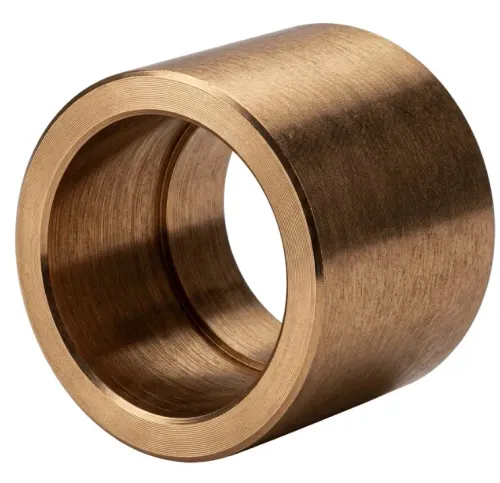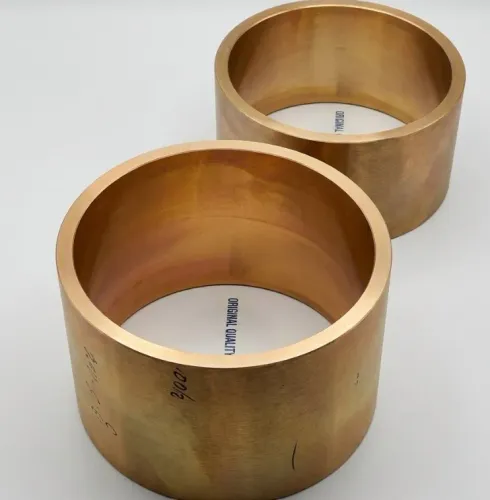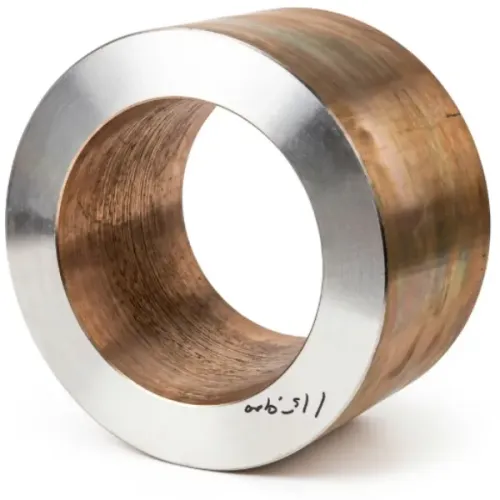
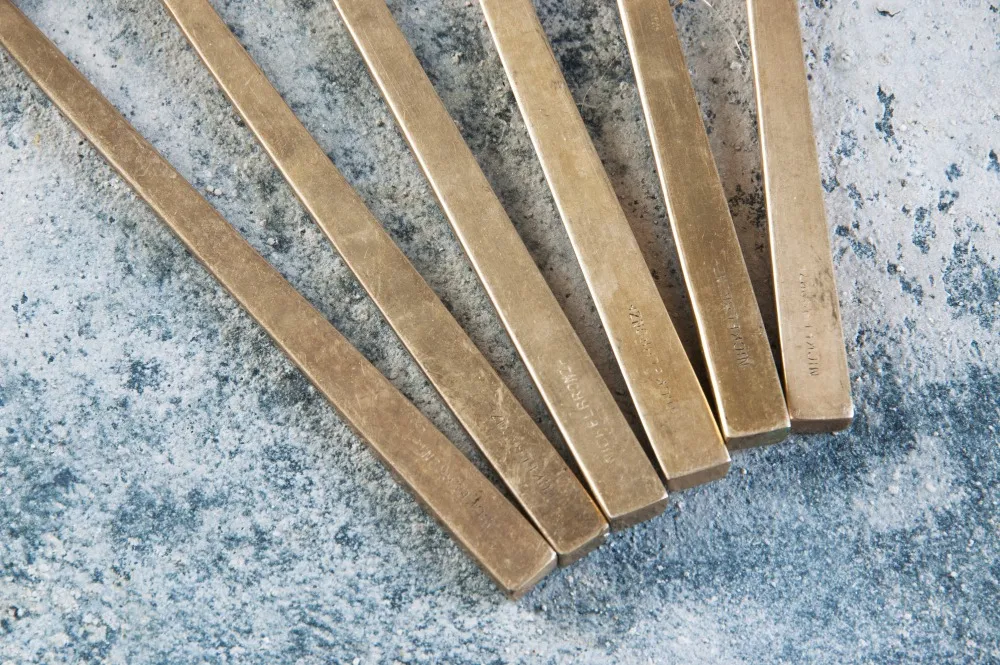
Material selection has a direct impact on the durability, machinability, and overall performance of engineering components. Among copper-based alloys, Phosphor Bronze Flat Bar is widely recognised for its excellent mechanical properties, making it suitable for precision engineering, electrical equipment, and industrial manufacturing.
For procurement professionals, choosing the correct flat bar involves understanding both the material characteristics and the intended application.
What Is Phosphor Bronze?
Phosphor bronze is a copper alloy that contains tin and a small amount of phosphorus. This composition improves strength, wear resistance, fatigue resistance, and corrosion performance while maintaining good machinability.
Its balanced properties allow it to perform well in applications requiring both mechanical durability and dimensional stability.
Key Material Characteristics
Phosphor bronze flat bars are valued for several reasons:
- High strength
- Good elasticity
- Excellent fatigue resistance
- Superior corrosion resistance
- Low coefficient of friction
- Good machinability
- Reliable wear performance
These characteristics support long service life in demanding engineering environments.
Where Phosphor Bronze Flat Bars Are Used
Flat bars manufactured from phosphor bronze are commonly machined into various industrial components.
Applications include:
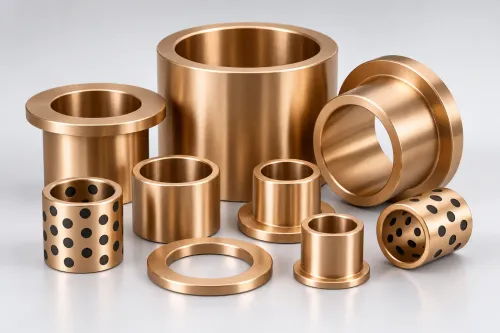
- Precision bearings
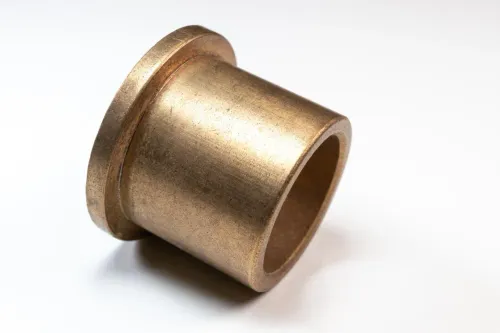
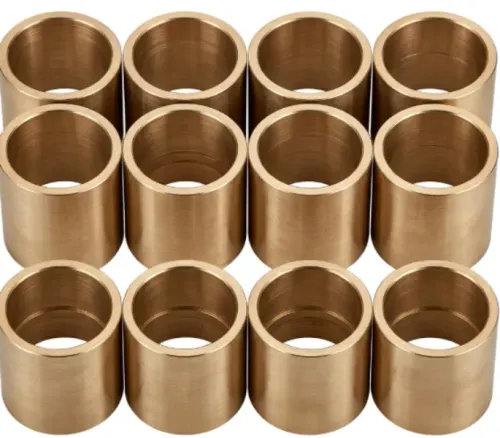
- Bushes
- Wear strips
- Electrical connectors
- Marine hardware
- Industrial springs
- Sliding components
- Tooling equipment
- Mechanical assemblies
The versatility of the material makes it suitable for a wide range of industries.
Why Precision Matters
Engineering components produced from flat bars often require tight dimensional tolerances.
Material consistency is important because it affects:
- Machining accuracy
- Surface finish
- Component fit
- Wear characteristics
- Operational reliability
High-quality raw material helps reduce machining variations and improves finished product quality.
Factors to Consider Before Purchasing
Before selecting a phosphor bronze flat bar, buyers should review:
- Alloy grade
- Required dimensions
- Mechanical strength
- Surface quality
- Machining requirements
- End application
- Quantity requirements
Clear technical specifications simplify procurement and help manufacturers supply the appropriate material.
Storage and Handling
Although phosphor bronze offers excellent corrosion resistance, proper storage remains important.
Recommended practices include:
- Keeping material dry
- Protecting surfaces from contamination
- Storing bars on suitable racks
- Preventing unnecessary impact damage
- Maintaining traceability of material batches
These measures help preserve material quality before machining.
Quality Assurance During Manufacturing
Reliable manufacturers typically perform inspections covering:
- Chemical composition
- Dimensional accuracy
- Surface finish
- Mechanical properties
- Material traceability
Quality documentation provides buyers with greater confidence in the supplied material.
Supporting Industrial Manufacturing
As manufacturing industries continue to demand components with higher precision and longer service life, phosphor bronze remains an important engineering material. Its combination of strength, wear resistance, and machinability makes it suitable for a broad range of industrial applications.
Manufacturers such as Kamal Deep Metal Works Pvt Ltd in Delhi produce phosphor bronze flat bars for customers requiring dependable non-ferrous materials. For OEMs, fabrication companies, and maintenance teams, understanding the capabilities of this alloy helps support better purchasing decisions and more reliable equipment performance over the long term.
Keywords