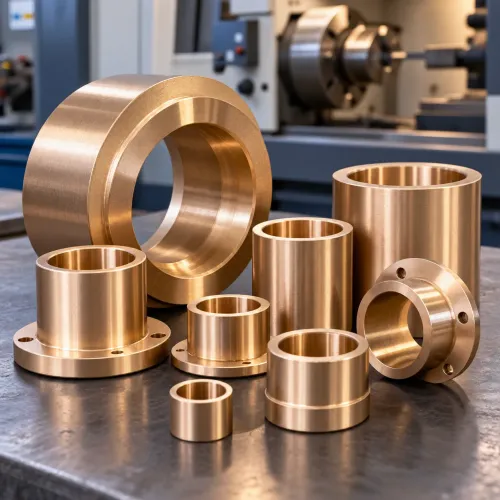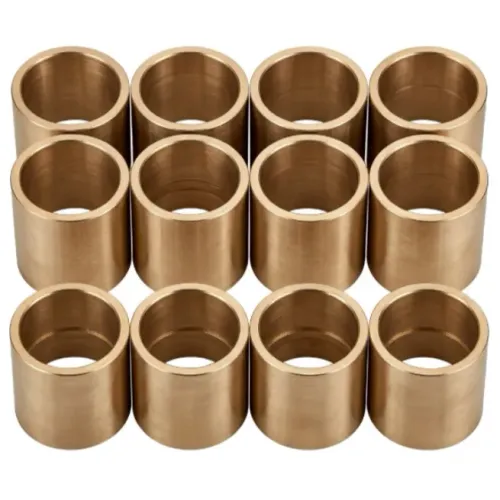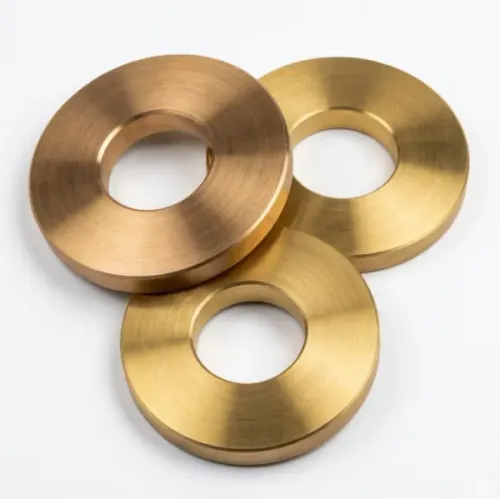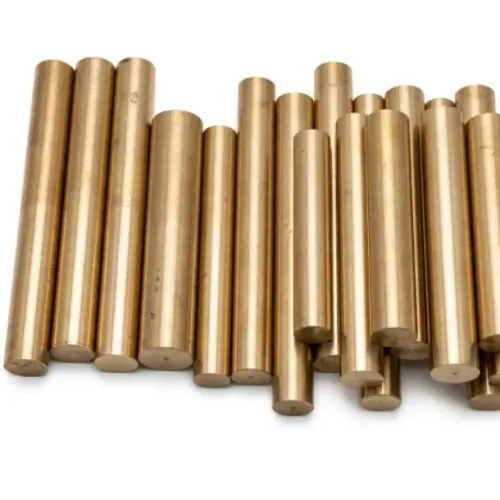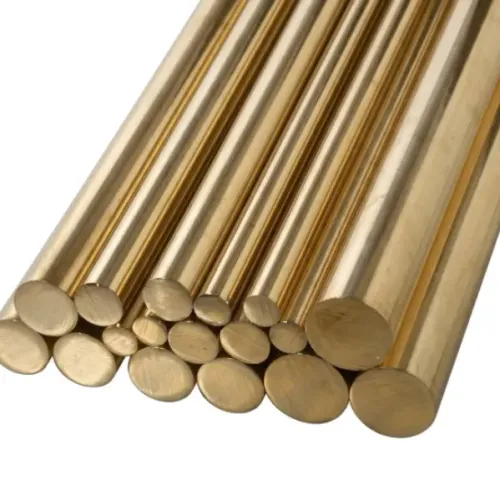
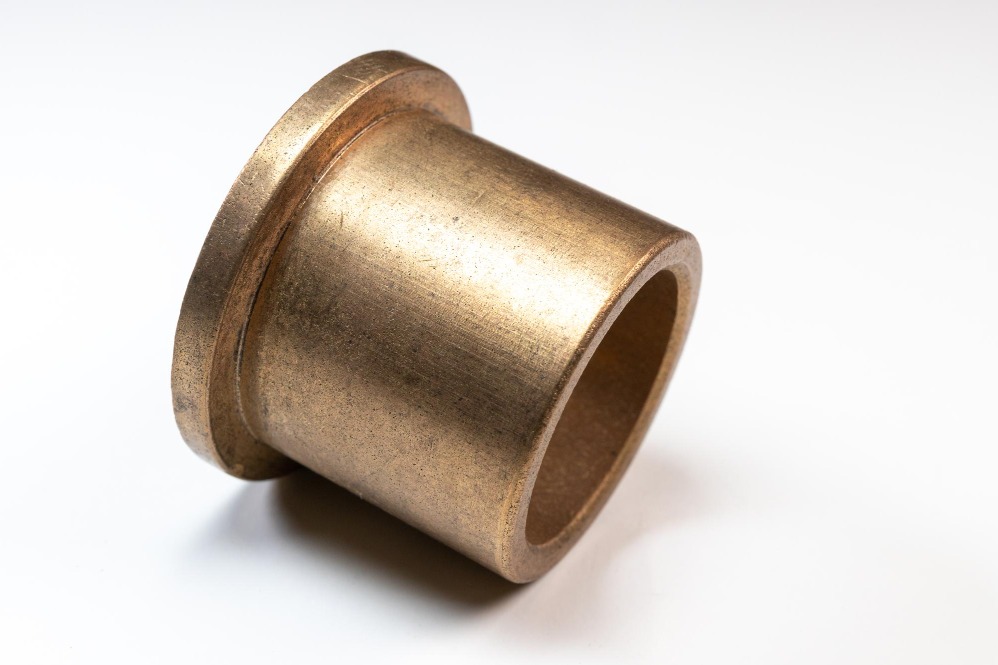
When a component carries significant mechanical load, material selection becomes a procurement risk as well as an engineering decision. High Strength Aluminium Bronze is used for demanding applications where the selected alloy must provide an appropriate combination of mechanical properties and service performance.
For critical components, however, simply adding 'high strength' to a purchase order is not enough.
Define What High Strength Means for the Component
Strength can refer to different material properties.
Depending on the design, engineers may be concerned with tensile strength, yield behaviour, hardness, fatigue performance, impact resistance, or resistance to deformation under load.
A procurement specification should identify the required alloy grade and any relevant mechanical requirements rather than relying on a general description.
This creates an objective basis for manufacturing and inspection.
Identify Whether the Component Is Actually Critical
Not every casting needs the same level of procurement control.
A component may warrant additional attention when its failure could cause:
- Significant equipment downtime
- Damage to other machine parts
- Safety or operational consequences
- Difficult replacement work
- High maintenance costs
- Disruption to an OEM production schedule
The greater the consequence of failure, the stronger the case for detailed specifications and agreed verification requirements.
Documentation to Discuss Before Ordering
Documentation should be defined during supplier evaluation rather than requested unexpectedly after production.
Depending on the order and application, procurement teams may discuss:
- Material identification
- Chemical composition documentation
- Dimensional inspection
- Mechanical test requirements where applicable
- Heat treatment requirements where specified
- Traceability expectations
- Drawing revision control
The required documentation should correspond to the component's importance and the agreed purchase specification.
Evaluate Manufacturing Capability, Not Just Material Availability
Having access to an alloy does not automatically mean a supplier is suitable for a particular component.
Consider whether the manufacturer can work with the required component size, casting geometry, manufacturing route, machining allowance, quantity, and inspection requirements.
For repeat OEM procurement, process consistency is particularly important because variation between batches can affect machining and assembly downstream.
Ask Better Questions During Supplier Selection
Instead of asking only for price and delivery time, procurement managers can ask:
- How will the specified grade be controlled?
- What dimensions are required at casting stage?
- What machining allowance is recommended?
- What information is needed from our drawing?
- What inspection can be provided as agreed?
- Are there any manufacturability concerns with the geometry?
- How will repeat orders reference the approved specification?
The quality of the technical discussion can reveal whether both buyer and supplier interpret the requirement in the same way.
Local Procurement and Delhi Supply Requirements
Industrial buyers in Delhi frequently coordinate procurement for plants and OEM operations throughout NCR and other Indian regions. Components may be required for production lines, replacement inventories, project equipment, or export assemblies.
Kamal Deep Metal Works Pvt Ltd manufactures bronze and aluminium bronze cast components for industrial requirements. A buyer approaching the company for a high-strength component should ideally provide the drawing, alloy grade, quantity, machining condition, inspection expectations, and service information relevant to the order.
This enables a specification-led quotation rather than an assumption-led one.
Compare Suppliers on Total Readiness
A supplier assessment can consider technical understanding, material control, dimensional capability, inspection approach, communication, repeatability, and delivery requirements together.
Price remains important, but it should be compared only after confirming that suppliers are quoting the same technical scope.
For critical parts, a superficially cheaper quotation can become expensive if material uncertainty, dimensional problems, or rework affects production.
Sourcing High Strength Aluminium Bronze successfully requires clear engineering specifications and disciplined procurement. Buyers who define the grade, properties, dimensions, inspection scope, and supply condition before placing an order create a stronger foundation for consistent component quality and long-term supplier relationships.
Keywords