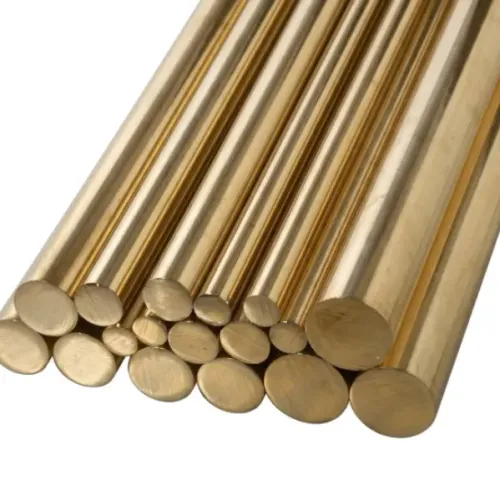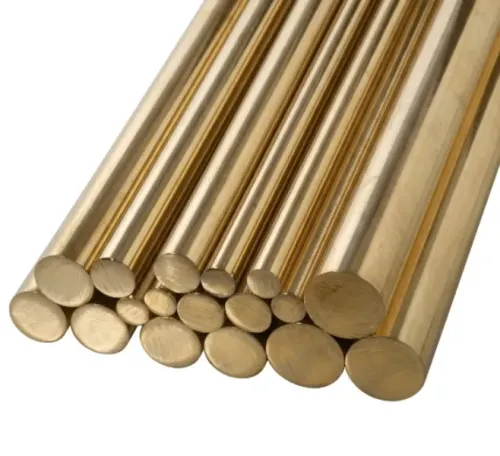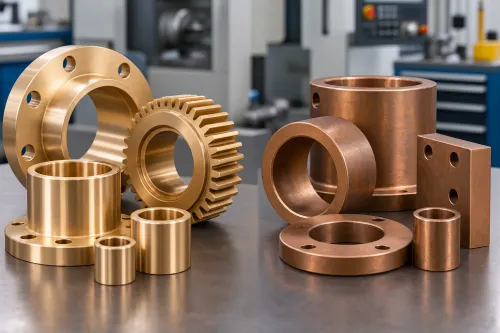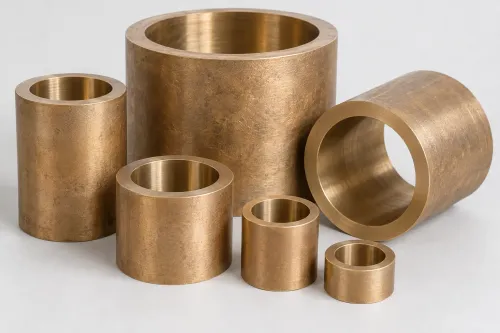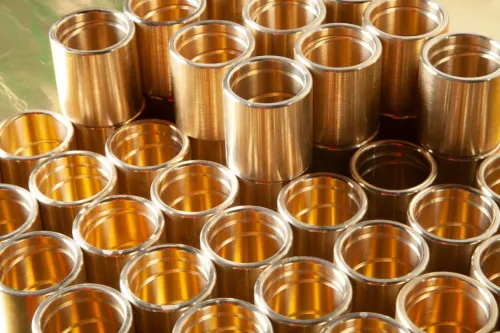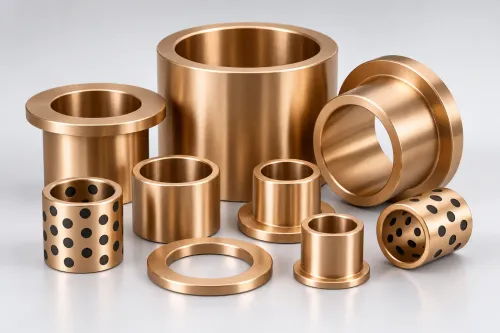
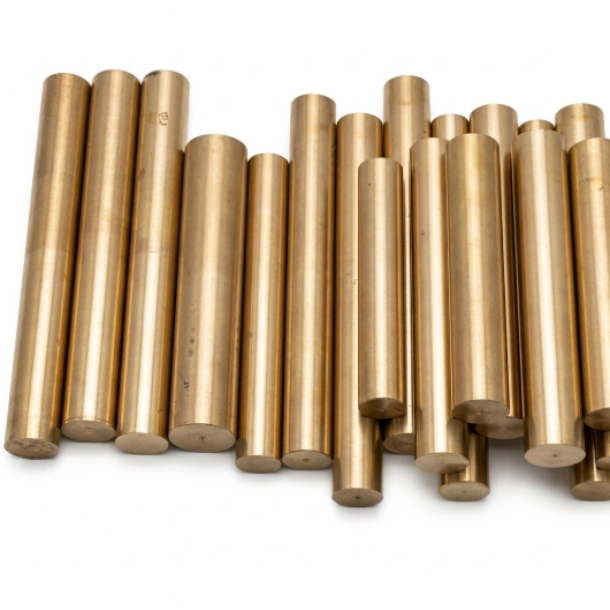
Corrosion-resistant material selection is often more complicated than it first appears. A material that performs effectively in one environment may behave differently in another because corrosion depends on fluid chemistry, temperature, velocity, contamination, and contact with other metals. When evaluating an Aluminium Bronze Corrosion Resistant Alloy, buyers should therefore begin with the environment rather than the alloy name.
This is especially important for pumps, valves, marine-related components, process equipment, and industrial machinery exposed to aggressive service conditions.
Identify the Actual Corrosive Environment
'Water service' is not a complete engineering description.
Fresh water, seawater, industrial process water, contaminated water, and chemically treated water can create different material challenges.
Before choosing an alloy, document:
- Fluid or chemical involved
- Concentration where relevant
- Temperature
- Flow velocity
- Continuous or intermittent exposure
- Presence of solids or contaminants
- Adjacent materials
- Possibility of galvanic interaction
These details provide a much better foundation for material evaluation.
Why Aluminium Bronze Is Considered
Suitable aluminium bronze grades are known for useful corrosion resistance combined with mechanical strength.
This combination can make them attractive for applications where a component must withstand both environmental exposure and mechanical loading.
Depending on grade and design, examples can include pump components, valve components, marine equipment, bushes, wear parts, and process machinery.
However, 'aluminium bronze' describes a family of alloys. Different grades can contain different alloying additions and provide different performance characteristics.
Corrosion and Erosion May Occur Together
In flowing systems, material damage may not result from chemical attack alone.
High fluid velocity, suspended particles, turbulence, and cavitation can introduce erosion-related mechanisms. A component may therefore require a material capable of dealing with combined mechanical and environmental effects.
This is one reason pump and valve components should be evaluated according to actual operating conditions rather than a generic corrosion-resistance requirement.
Five Questions for Supplier Evaluation
When discussing a corrosion-resistant casting with a manufacturer, procurement teams can use five practical questions.
1. Is the required alloy grade clearly identified?
Avoid relying only on broad terms such as aluminium bronze.
2. Can material composition be verified according to the agreed requirement?
Documentation requirements should be established before ordering.
3. Is the casting process suitable for the component geometry?
Component shape, section thickness, and final machining influence manufacturing decisions.
4. What machining condition will be supplied?
Clarify whether the order is for an as-cast, rough-machined, or finished component.
5. What inspection requirements apply?
Define dimensional, material, or other agreed inspection requirements in the purchase specification.
Consider Total Operating Cost
A corrosion-related failure can cost considerably more than the replacement casting itself.
Plant shutdown, dismantling, labour, secondary component damage, and emergency sourcing can all add cost.
For this reason, procurement teams should evaluate lifecycle performance alongside initial price.
At the same time, selecting a highly specified alloy for a mild environment may offer little economic benefit. Material selection should remain proportional to actual risk.
Sourcing in the Delhi Industrial Market
Delhi and NCR-based buyers often support equipment installed well beyond the local region, including process plants, infrastructure, heavy engineering, and OEM machinery.
Kamal Deep Metal Works Pvt Ltd manufactures non-ferrous castings for industrial requirements. Buyers discussing corrosion-resistant aluminium bronze components should provide the application environment, grade, dimensions, drawing, quantity, and required supply condition.
That information allows a more technically meaningful manufacturing discussion.
Build the Specification Around the Environment
A useful purchase specification connects material to operating conditions.
Rather than writing only 'corrosion-resistant aluminium bronze casting,' identify the required grade and any applicable standards, dimensions, machining requirements, inspection expectations, and known service environment.
An Aluminium Bronze Corrosion Resistant Alloy can be highly valuable in demanding applications when correctly selected. The strongest procurement decisions come from defining the actual corrosion mechanism and operating environment first, then choosing the alloy and manufacturing process capable of meeting those conditions.
Keywords