Industrial gears operate through continuous contact. Tooth surfaces transfer load repeatedly, and the resulting stresses can involve sliding, rolling, friction, impact, heat, and lubrication. Selecting Aluminium Bronze for Gears therefore requires a broader evaluation than checking whether the alloy is strong enough.
For OEMs and maintenance engineers, gear material should be selected as part of the complete transmission system.
Why Aluminium Bronze May Be Used for Gears
Suitable aluminium bronze grades can offer useful strength, wear performance, and corrosion resistance.
These properties make the alloy relevant for certain gear applications, particularly where the operating environment or mating-material requirements make a copper alloy desirable.
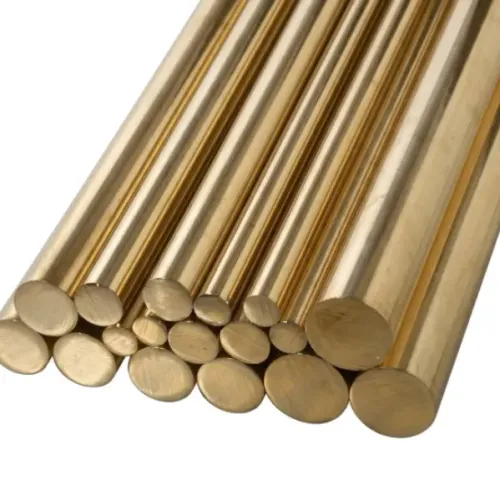
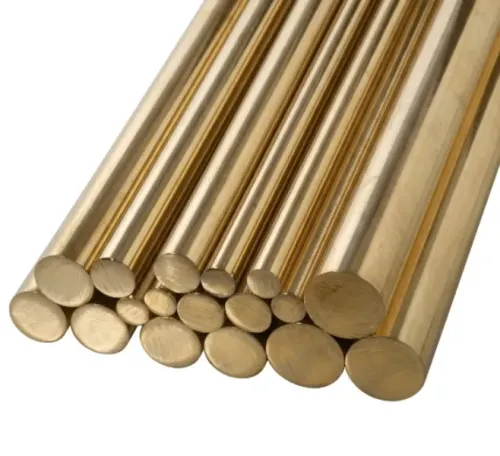
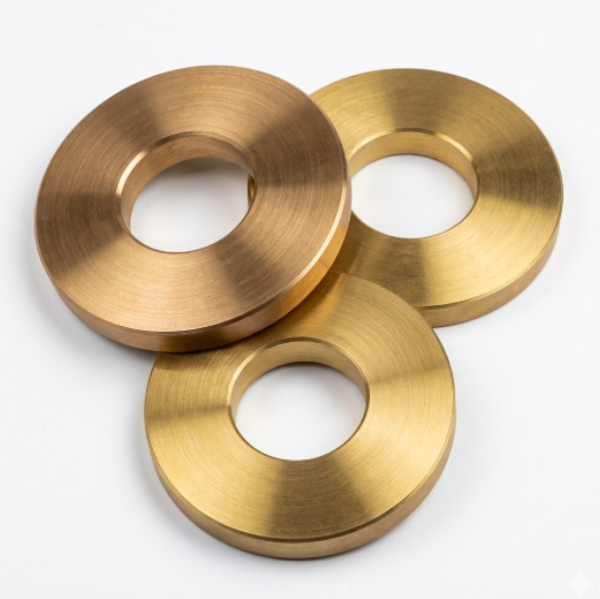
Potential applications can include worm gears, industrial transmission components, specialised machinery, and equipment operating in demanding environments.
The precise material grade should be chosen according to design requirements.
Start With the Gear Pair
A gear never operates independently.
Its mating gear or worm, shaft arrangement, lubrication, alignment, and housing rigidity influence performance.
Before selecting material, engineers should consider:
- Gear type
- Tooth geometry
- Pitch-line speed
- Transmitted torque
- Shock loading
- Duty cycle
- Mating material
- Lubrication method
- Operating temperature
- Environmental exposure
These parameters help determine whether aluminium bronze is suitable and which grade should be evaluated.
Watch for Wear Patterns
Maintenance teams can learn a great deal from an existing gear.
Uneven tooth wear may indicate alignment problems. Scoring can suggest lubrication or surface-contact issues. Pitting can relate to contact fatigue. Localised damage may point to overload or contamination.
Replacing the gear with a stronger material without correcting the root cause may simply postpone another failure.
Where possible, document the condition of the failed gear before disposal. Photographs, measurements, operating hours, lubrication history, and mating-component condition can all support a more informed replacement decision.
Material Quality Must Be Supported by Casting Quality
A gear blank must provide sufficient material integrity for subsequent machining.
For cast gear components, procurement requirements may therefore cover chemical composition, casting dimensions, machining allowance, and any agreed inspection or testing criteria.
The final tooth accuracy will also depend on machining processes after casting.
Buyers should clarify whether they require a raw casting, rough-machined blank, or a component supplied to finished dimensions.
What to Send With an RFQ
For an aluminium bronze gear requirement, a technically useful RFQ can include:
- Component drawing
- Alloy grade
- Outside and inside dimensions
- Quantity
- Casting or machining condition
- Required tolerances
- Inspection requirements
- Relevant application information
If the requirement is for a replacement gear, sharing the original specification can reduce the risk of unintended material substitution.
Evaluating a Delhi Manufacturer
Delhi NCR has a diverse industrial procurement ecosystem covering machine builders, repair companies, OEMs, infrastructure contractors, and manufacturing plants.
When evaluating a casting source, buyers should look beyond whether a supplier can simply pour the requested alloy.
Kamal Deep Metal Works Pvt Ltd manufactures non-ferrous castings for industrial applications. For gear-related requirements, useful supplier discussions should cover alloy specification, casting process, machining allowance, dimensional control, quantity, and inspection expectations.
Price Should Not Be the Only Comparison Point
Two gear blank quotations can differ because the suppliers have interpreted the specification differently.
One may include additional machining. Another may quote a different material condition or inspection scope.
Procurement teams should normalise these variables before comparing price.
A lower purchase price provides limited value if additional machining, rework, dimensional inconsistency, or material mismatch creates downstream cost.
Choosing Aluminium Bronze for Gears is ultimately a system-level engineering decision. Material strength matters, but so do wear behaviour, mating components, lubrication, alignment, manufacturing quality, and operating environment. Defining these requirements clearly helps OEM and maintenance buyers source gear components that are better aligned with real machinery demands.
Keywords