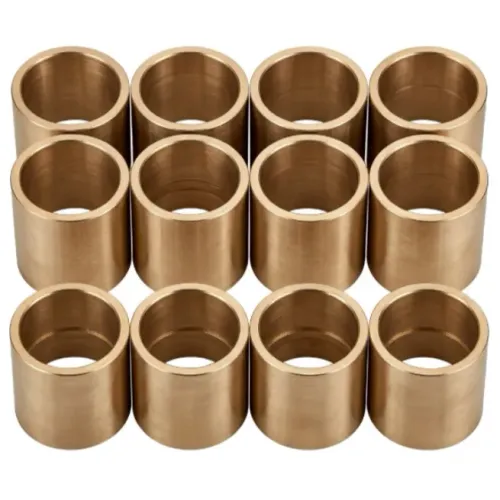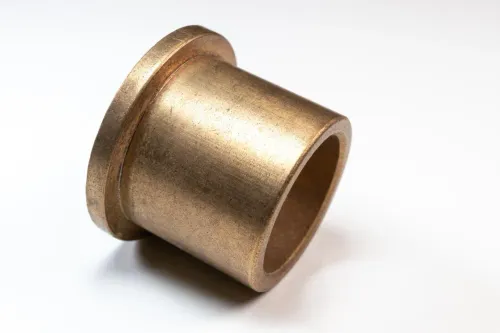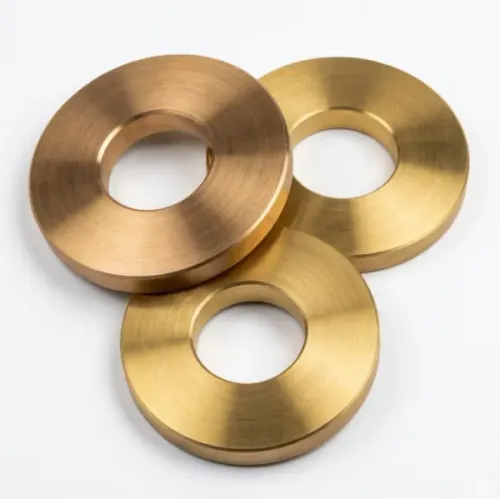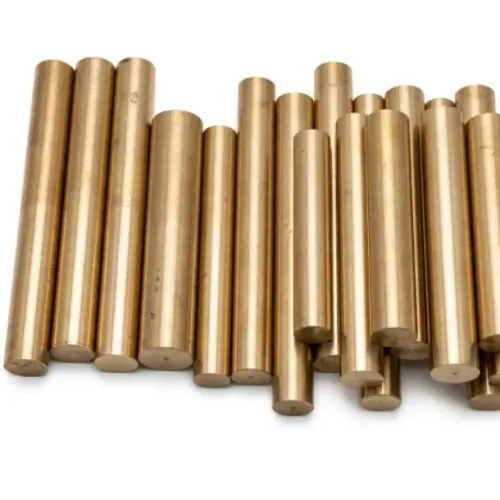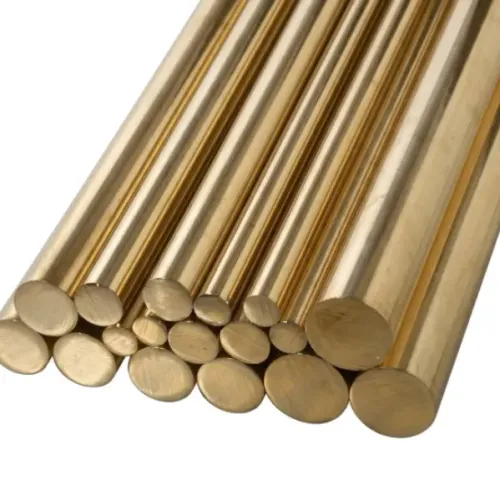
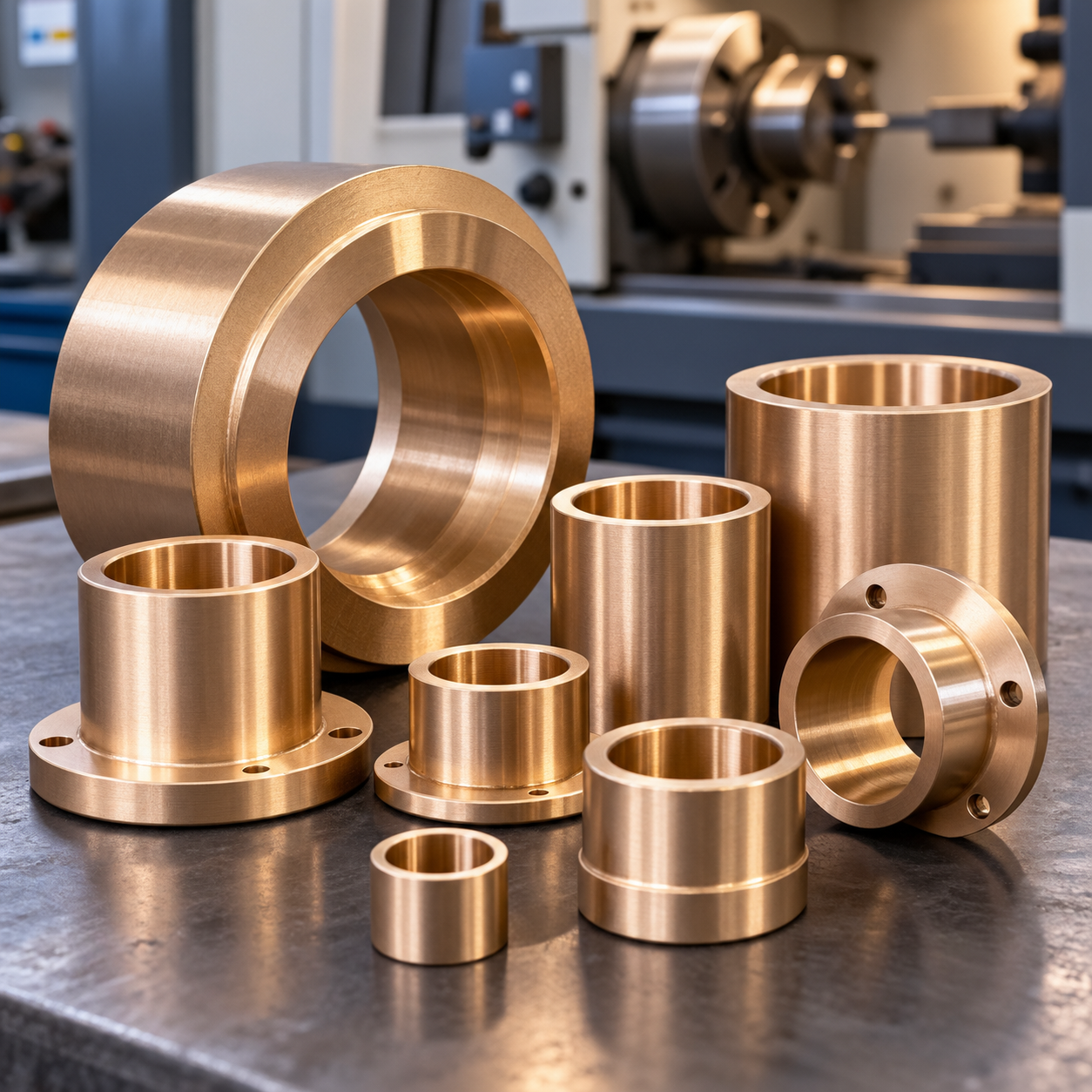
Selecting a supplier for Centrifugal Casted Gun Metal Bushes requires more than finding a company that lists gun metal casting among its capabilities. Industrial bushes must satisfy material, dimensional, machining, and application requirements, and the manufacturing process needs to support consistent results.
For OEMs, plant heads, export buyers, and procurement teams, a structured supplier assessment can reduce sourcing risk before the first production order is placed.
Confirm Understanding of the Casting Requirement
Start by checking whether the manufacturer understands why centrifugal casting is being specified.
The process is commonly suited to cylindrical components because molten metal solidifies against the rotating mould wall. It can provide a practical route for producing hollow cast forms that are subsequently machined into bushes and similar components.
A capable supplier should be able to discuss casting dimensions, machining allowances, and finished requirements based on the drawing.
Verify the Material Specification
Do not use 'gun metal' as the only technical description where a defined grade is required.
The purchase requirement should identify the applicable alloy designation, chemical composition requirement, or relevant standard.
For critical applications, agree on material documentation and any required testing before production begins.
This reduces ambiguity for both parties.
Review Dimensional and Machining Capability
A supplier may be capable of producing the casting but not necessarily the complete finished component.
Clarify whether you require:
- Raw centrifugal casting
- Rough-machined bush
- Fully machined component
- Particular bore and OD tolerances
- Flanges, grooves, holes, or other features
- Specific surface finishes
If machining is included, ensure the drawing clearly distinguishes finished dimensions from casting dimensions.
Assess Readiness for Your Order Type
A one-off breakdown replacement and a repeat OEM programme have different procurement needs.
For repeat requirements, evaluate how specifications, drawing revisions, and inspection criteria will be maintained between batches.
For urgent maintenance requirements, confirm whether the manufacturer can realistically accommodate the required dimensions, material, and manufacturing sequence within the requested delivery period.
A credible lead time is more useful than an unrealistic promise.
Use a Supplier Evaluation Checklist
Before finalising a manufacturer, assess the following areas:
- Experience with the required non-ferrous alloy
- Centrifugal casting capability for the required size
- Understanding of machining allowances
- Ability to work from engineering drawings
- Material verification arrangements
- Dimensional inspection capability
- Machining scope where required
- Documentation and traceability expectations
- Repeat-order consistency
- Technical communication and quotation clarity
This checklist gives procurement teams a more objective basis for comparing suppliers.
Look Carefully at the Quotation
A quotation should make the supply scope understandable.
Check the material, quantity, casting or machining condition, dimensions, testing or inspection scope, commercial terms, and delivery schedule.
If two quotations differ significantly, do not immediately assume one supplier is simply cheaper. Determine whether both companies have quoted exactly the same technical requirement.
Differences in machining, testing, material grade, or scope can explain apparent price gaps.
Supplier Selection for Delhi Industrial Buyers
Delhi's position within the wider NCR industrial network makes it a significant sourcing centre for OEM manufacturing, machinery maintenance, infrastructure, and engineering procurement. Buyers may also need components for plants located in other states or for equipment intended for export.
Kamal Deep Metal Works Pvt Ltd manufactures non-ferrous cast components, including bronze and aluminium bronze products, for industrial requirements. Buyers evaluating the company for centrifugal gun metal bushes should provide technical drawings, alloy requirements, quantities, machining expectations, and inspection criteria at the enquiry stage.
This creates a clearer basis for determining manufacturing suitability.
Consider a Trial Order When Appropriate
For a new supplier relationship involving repeat or critical components, a trial quantity can provide useful evidence.
The buyer can review material documentation, dimensions, machining response, fitment, communication, and delivery performance before expanding the order volume.
The appropriate qualification process will depend on the component's criticality and the buyer's internal procurement procedures.
Make Supplier Readiness Measurable
Reliable industrial sourcing comes from replacing assumptions with defined requirements.
The strongest supplier is not automatically the one offering the lowest quotation or shortest stated lead time. It is the manufacturer whose capabilities correspond to the specified material, geometry, quantity, machining, inspection, and delivery requirements.
When purchasing Centrifugal Casted Gun Metal Bushes, a detailed drawing, defined gun metal grade, clear supply condition, agreed inspection scope, and realistic production plan provide a strong foundation for supplier evaluation. For procurement teams in Delhi and the surrounding industrial region, this specification-led approach can improve quotation accuracy, reduce technical ambiguity, and support more dependable repeat sourcing.
Keywords