Thank you for writing to us. One of our executive will reach back to you through your submitted medium. In case there’s an urgency, feel free to connect over WhatsApp for faster response.
Prefer calling? Dial +9108048035462 (International callers) or 08048035462 (Indian callers).
KAMALDEEP METAL WORKS PRIVATE LIMITED is the leading supplier of DIE CASTING/BRONZE CASTING/GUNMETAL BUSHES/BRONZE BUSHES and many more products.
We have the large variety of DIE CASTING/BRONZE CASTING/GUNMETAL BUSHES/BRONZE BUSHES and many more products.
we are one of the largest manufacturer of DIE CASTING/BRONZE CASTING/GUNMETAL BUSHES/BRONZE BUSHES and many more products.
we deal in PAN INDIA
We make all type of Aluminium 6061 Moulds for Auotmotive Industry. We have inhouse pattern, Castings and Tolling facilIty to supply ready to Use Die.
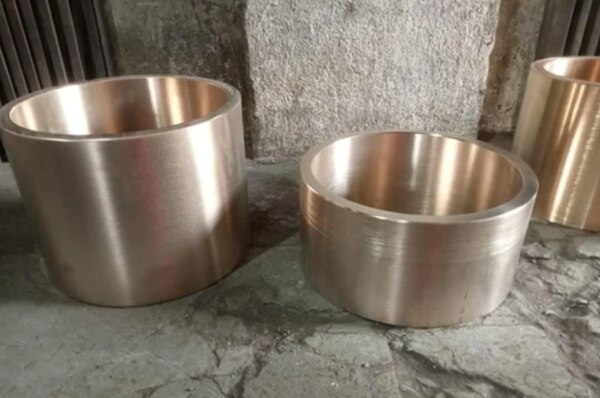
we supply Bronze Castings and bushes in various grades of Bronze. Our bronze is chemicaly and Physicaly Tested. we cast Bronze in Forms of Bushes, Bars, Half Rouds, Liners ,Rods and various other forms of casting up-to 1000 kg in a single piece.
KAMALDEEP DEAL IN PAN INDIA. we have best quality of ALMUNIUM DIE CASTING/BRONZE CASTING/ GUNMETAL BUSHES.
kamaldeep metal works is one of the oldest in this industry and have good fame in the industry.
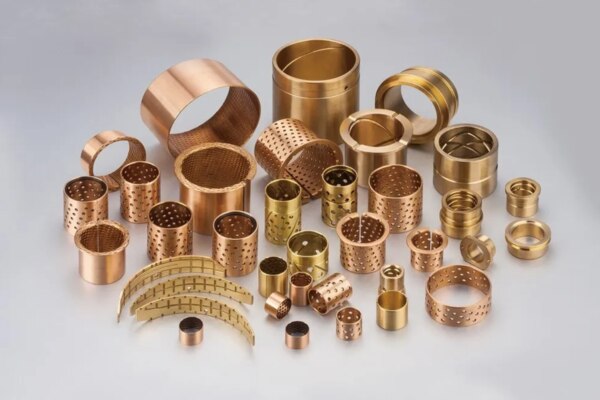
Phosphor Bronze Bushes are high-performance mechanical components designed to reduce friction, support rotating shafts, and ensure smooth movement between machine parts. Manufactured from premium phosphor bronze alloy, these bushes are widely used in heavy industrial machinery due to their exceptional strength, wear resistance, corrosion resistance, and long service life.
Phosphor bronze is a copper-based alloy that contains tin and a small percentage of phosphorus. This unique combination improves the metal’s strength, hardness, and resistance to fatigue and wear. Because of these superior properties, phosphor bronze bushes are commonly used in high-load and high-speed applications where reliability and durability are essential.
Industries such as automotive, marine, electrical engineering, steel plants, mining, power generation, and heavy machinery manufacturing rely on Phosphor Bronze Bushes to ensure efficient machine performance and reduced maintenance costs.
What are Phosphor Bronze Bushes?
Phosphor Bronze Bushes are cylindrical bearing components designed to support rotating or sliding shafts within machines. They function as a protective sleeve between the shaft and the housing, minimizing friction and preventing metal-to-metal contact.
These bushes are typically manufactured using phosphor bronze alloys containing copper, tin, and phosphorus. The addition of phosphorus significantly improves wear resistance and increases the material's stiffness, making it ideal for precision engineering applications.
Phosphor Bronze Bushes are known for their excellent anti-friction properties, which help maintain smooth machine operation even under heavy loads and continuous use.
Key Features of Phosphor Bronze Bushes
Excellent Wear Resistance
Phosphor bronze is highly resistant to abrasion and wear, allowing bushes to perform efficiently even in high-friction applications.
High Strength and Durability
The combination of copper and tin provides excellent mechanical strength, enabling these bushes to withstand heavy loads and harsh operating conditions.
Superior Corrosion Resistance
Phosphor bronze bushes offer excellent resistance to corrosion, especially in humid, chemical, and marine environments.
Low Friction Performance
The alloy provides excellent anti-friction characteristics, ensuring smooth movement between machine components.
Good Fatigue Resistance
Phosphor bronze bushes are capable of withstanding repeated stress cycles without cracking or failure, making them ideal for high-speed rotating machinery.
Excellent Machinability
These bushes can be machined with high precision to meet exact industrial specifications and tolerances.
Chemical Composition of Phosphor Bronze
Phosphor bronze bushes are manufactured using alloys containing the following elements:
Copper (Cu) – Base metal providing strength and conductivity
Tin (Sn) – Improves strength, hardness, and corrosion resistance
Phosphorus (P) – Enhances wear resistance and stiffness
Lead (optional) – Improves machinability in some grades
The exact composition may vary depending on the required grade and application.
Manufacturing Process of Phosphor Bronze Bushes
The production of phosphor bronze bushes involves advanced manufacturing processes to ensure high strength and durability.
Raw Material Selection
High-quality copper, tin, and phosphorus are selected to produce the required phosphor bronze alloy.
Melting and Alloying
The metals are melted in induction furnaces where precise temperature control ensures uniform alloy formation.
Casting Process
The molten alloy is cast using methods such as:
Centrifugal casting
Continuous casting
Sand casting
These methods ensure high-density and defect-free bushings.
Cooling and Solidification
The molten metal solidifies into a strong and durable structure with uniform grain distribution.
Machining and Finishing
After casting, the bushes undergo precision machining to achieve accurate inner and outer diameters and smooth surface finishes.
Quality Inspection
Each bush undergoes strict quality control checks including:
Chemical composition testing
Hardness testing
Dimensional accuracy inspection
Ultrasonic testing
Types of Phosphor Bronze Bushes
Plain Phosphor Bronze Bushes
These are simple cylindrical bushes used for general industrial applications.
Flanged Phosphor Bronze Bushes
Flanged bushes include a flange on one side to help maintain alignment and prevent axial movement.
Grooved Phosphor Bronze Bushes
These bushes contain lubrication grooves that allow better oil distribution and reduce friction.
Custom Phosphor Bronze Bushes
Manufacturers also produce custom bushes according to specific dimensions and design requirements.
Applications of Phosphor Bronze Bushes
Due to their excellent mechanical properties, phosphor bronze bushes are widely used in various industries.
Automotive Industry
In the automotive sector, these bushes are used in:
Gear systems
Suspension components
Steering mechanisms
Engine parts
Marine Industry
Phosphor bronze bushes are ideal for marine applications due to their corrosion resistance.
Common uses include:
Ship bearings
Marine pumps
Propeller shaft bushes
Electrical Industry
Because phosphor bronze has good electrical conductivity, it is used in electrical equipment such as connectors, switches, and relays.
Steel and Heavy Machinery
Phosphor bronze bushes are commonly used in:
Rolling mills
Industrial presses
Heavy-duty gear assemblies
Mining and Construction Equipment
Mining machinery operates under harsh conditions, making phosphor bronze bushes an ideal choice for durability and reliability.
Advantages of Phosphor Bronze Bushes
Phosphor bronze bushes provide several advantages compared to other bearing materials.
Long Service Life
Their excellent wear resistance significantly increases operational lifespan.
Reduced Maintenance
The durability of the alloy reduces the need for frequent replacement.
Smooth Machine Operation
Low friction properties improve machine efficiency and reduce energy loss.
High Load Capacity
They can support heavy loads without deformation.
Resistance to Harsh Environments
They perform well in humid, marine, and chemical environments.
Quality Standards
Phosphor Bronze Bushes are manufactured according to various international standards to ensure quality and reliability.
Common standards include:
ASTM B505
ASTM B139
BS 1400 PB1, PB2
DIN Phosphor Bronze Grades
IS Standards for Copper Alloys
These standards guarantee consistent material quality and mechanical performance.
Custom Manufacturing Options
Manufacturers offer customized phosphor bronze bushes to meet specific industrial needs. Customization options include:
Different phosphor bronze grades
Custom dimensions and tolerances
Lubrication grooves and oil holes
Precision machining and finishing
Heat treatment for improved hardness
These options allow industries to obtain bushes perfectly suited for their machinery and operational requirements.
Conclusion
Phosphor Bronze Bushes are reliable and durable components used to reduce friction and support rotating shafts in industrial machinery. Their excellent wear resistance, corrosion resistance, and mechanical strength make them an ideal choice for demanding applications across multiple industries.
From automotive and marine engineering to mining, power generation, and heavy machinery, Phosphor Bronze Bushes provide long-lasting performance and ensure smooth machine operation. Their ability to withstand heavy loads, high speeds, and harsh environments makes them one of the most preferred bearing solutions in modern engineering applications.
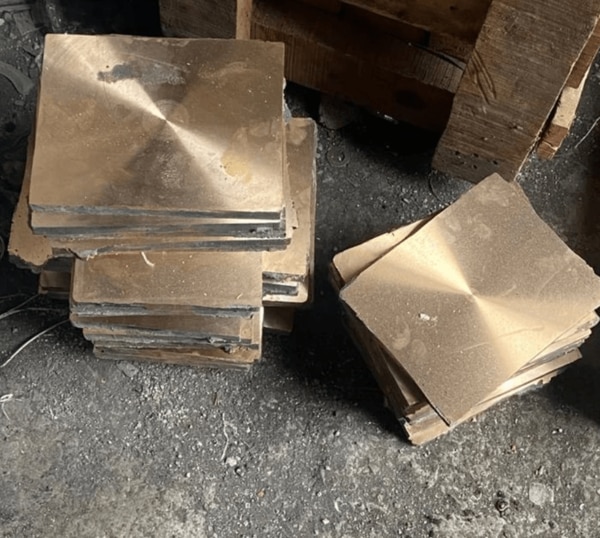
Phosphor Bronze Flat Bars are high-performance copper alloy products widely used in engineering, electrical, and industrial applications where strength, durability, and corrosion resistance are required. Made primarily from copper, tin, and a small percentage of phosphorus, phosphor bronze offers excellent mechanical properties along with superior wear resistance and low friction characteristics.
Due to its outstanding fatigue strength and anti-corrosive nature, phosphor bronze flat bars are commonly used in marine equipment, electrical components, precision machinery, springs, bushings, gears, and industrial fittings. These bars are manufactured through advanced casting, rolling, or extrusion processes to ensure uniform structure and consistent quality.
Industries prefer phosphor bronze flat bars because they maintain high reliability under heavy load, vibration, and continuous mechanical stress. Their ability to withstand harsh environments makes them ideal for both indoor and outdoor applications.
Composition and Material Properties
Phosphor bronze is a copper-based alloy typically containing:
Copper (Cu): 88% – 94%
Tin (Sn): 5% – 10%
Phosphorus (P): 0.01% – 0.35%
The addition of phosphorus improves strength, stiffness, and wear resistance while also enhancing the alloy’s casting characteristics.
Key Material Properties
• High mechanical strength
• Excellent corrosion resistance
• Superior wear resistance
• Low coefficient of friction
• Good electrical conductivity
• Excellent fatigue resistance
• Good machinability
• High spring qualities
These properties make phosphor bronze flat bars suitable for precision engineering components and long-lasting mechanical parts.
Manufacturing Process of Phosphor Bronze Flat Bars
High-quality phosphor bronze flat bars are produced through controlled metallurgical processes to achieve optimal strength and structural integrity.
1. Raw Material Selection
High-purity copper and tin are selected and melted in induction furnaces. Phosphorus is added in precise amounts to enhance mechanical properties.
2. Melting and Alloying
The materials are melted at controlled temperatures to ensure proper alloy formation and homogeneous composition.
3. Casting Process
The molten alloy is cast into billets or ingots through processes such as:
Continuous casting
Sand casting
Centrifugal casting
4. Rolling and Shaping
The cast billets are then hot-rolled or extruded into flat bar shapes with precise dimensions and uniform grain structure.
5. Finishing and Quality Inspection
The bars undergo machining, surface finishing, and strict quality inspection to ensure compliance with international standards.
Key Features of Phosphor Bronze Flat Bars
1. Excellent Corrosion Resistance
Phosphor bronze is highly resistant to corrosion caused by moisture, chemicals, and saltwater, making it ideal for marine and outdoor applications.
2. High Wear Resistance
The alloy has exceptional resistance to abrasion and friction, making it suitable for moving mechanical parts and high-load applications.
3. High Strength and Durability
Phosphor bronze flat bars maintain strength under continuous stress, which is essential in industrial machinery and engineering components.
4. Excellent Fatigue Resistance
The material performs exceptionally well in applications involving repeated stress cycles, such as springs and electrical contacts.
5. Good Machinability
Phosphor bronze can be easily machined, drilled, and fabricated into complex shapes without losing its mechanical properties.
Applications of Phosphor Bronze Flat Bars
Phosphor bronze flat bars are used in a wide range of industries due to their versatile properties.
Electrical Industry
They are widely used in manufacturing:
Electrical connectors
Switch components
Terminal blocks
Electrical springs
Conductive strips
Mechanical Engineering
Used in various mechanical components such as:
Bushes
Bearings
Wear plates
Gears
Pump components
Marine Industry
Due to excellent corrosion resistance, phosphor bronze flat bars are used in:
Marine fittings
Propeller components
Shipbuilding parts
Offshore equipment
Automotive Industry
Commonly used in:
Automotive bushings
Gear components
Electrical terminals
High-wear machine parts
Industrial Machinery
Phosphor bronze flat bars are also used for:
Tooling components
Precision machine parts
Industrial springs
Friction plates
Advantages of Using Phosphor Bronze Flat Bars
Choosing phosphor bronze flat bars provides several advantages for industrial and engineering applications.
✔ Long service life
✔ Resistance to rust and corrosion
✔ High load-bearing capacity
✔ Reduced maintenance cost
✔ Excellent dimensional stability
✔ Reliable performance in harsh environments
These benefits make phosphor bronze flat bars a preferred choice for manufacturers, engineers, and industrial suppliers.
Available Sizes and Customization
Phosphor bronze flat bars are available in various widths, thicknesses, and lengths to meet specific industrial requirements.
Typical specifications include:
Thickness: 3 mm to 100 mm
Width: 10 mm to 300 mm
Length: Up to 3 meters or customized
Manufacturers also provide custom cutting, machining, and finishing based on customer drawings and technical specifications.
Quality Standards
High-quality phosphor bronze flat bars are produced according to international standards such as:
ASTM Standards
BS Standards
IS Standards
DIN Standards
Strict quality control procedures ensure that the bars deliver consistent performance and durability in demanding industrial applications.
Conclusion
Phosphor Bronze Flat Bars are a premium copper alloy product known for their strength, corrosion resistance, wear resistance, and excellent fatigue properties. These bars play a crucial role in industries such as electrical engineering, marine equipment, automotive manufacturing, and heavy machinery.
With their superior mechanical performance and long operational life, phosphor bronze flat bars provide reliable solutions for high-precision engineering applications. Whether used for electrical components, bearings, springs, or structural parts, they ensure durability, efficiency, and superior performance in demanding environments.