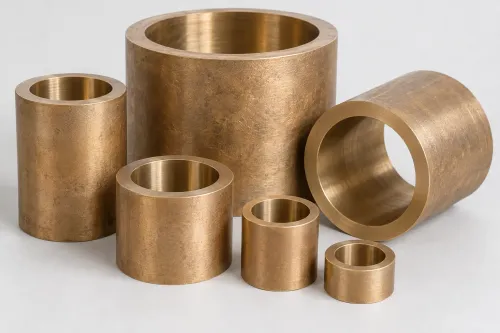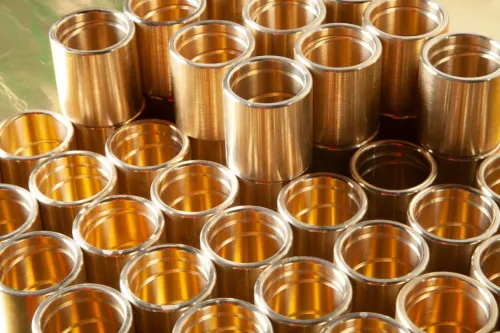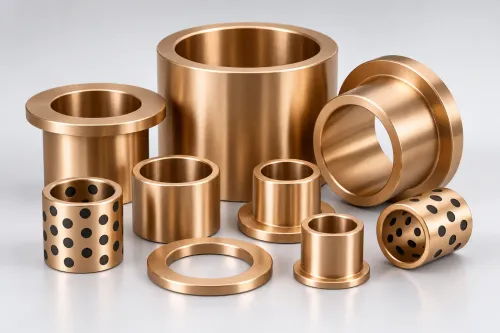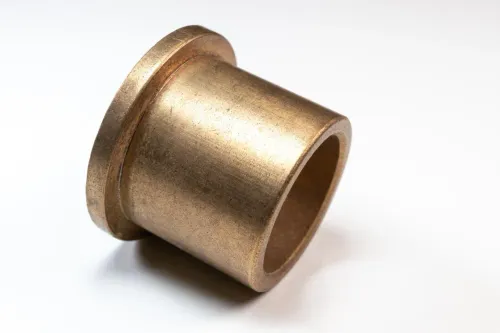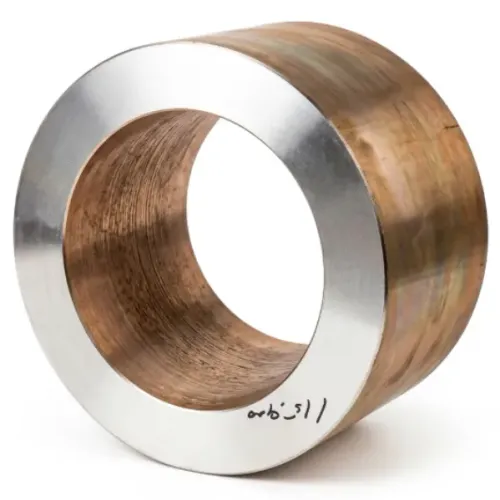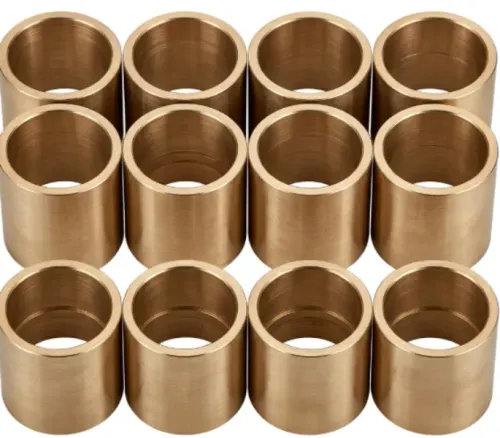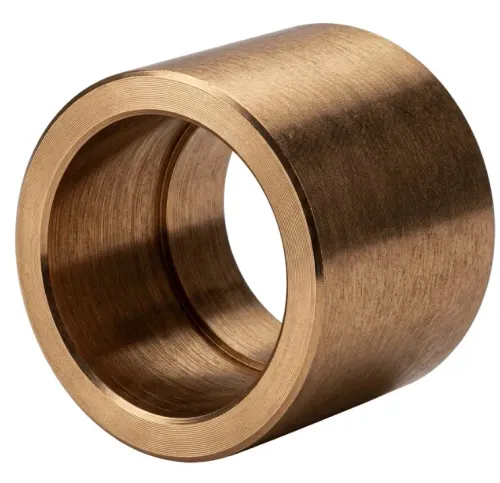

Bronze centrifugal castings are one of the most reliable and high-performance metal casting solutions used across a wide range of industries. Manufactured using the advanced centrifugal casting process, these components offer superior mechanical properties, enhanced durability, and excellent resistance to wear and corrosion. Industries such as marine, automotive, power generation, mining, and heavy engineering rely heavily on bronze centrifugal castings for critical applications.
Unlike traditional casting methods, centrifugal casting ensures uniform density, minimal impurities, and exceptional structural integrity. This makes bronze centrifugal cast components ideal for high-load and high-friction environments.
What is Centrifugal Casting?
Centrifugal casting is a manufacturing process where molten metal is poured into a rotating mold. The centrifugal force pushes the molten metal outward, creating a dense, fine-grained structure. This method eliminates internal voids, gas pockets, and impurities, resulting in superior quality castings.
When bronze alloys are used in this process, the result is a high-strength, corrosion-resistant, and long-lasting component suitable for demanding industrial applications.
Key Features of Bronze Centrifugal Castings
1. Superior Strength and Durability
Bronze centrifugal castings exhibit exceptional tensile strength and durability. The dense microstructure formed during casting ensures long service life even under heavy loads.
2. Excellent Wear Resistance
These castings are widely used in applications involving friction, such as bushings and bearings, due to their outstanding wear-resistant properties.
3. Corrosion Resistance
Bronze alloys naturally resist corrosion, making them ideal for marine, chemical, and offshore environments.
4. Uniform Grain Structure
The centrifugal casting process produces a fine and uniform grain structure, enhancing mechanical properties and reliability.
5. Minimal Porosity
The absence of air pockets and impurities ensures defect-free casting with high performance and reliability.
6. Precision and Accuracy
Centrifugal casting allows for tight dimensional tolerances, reducing the need for extensive machining.
Types of Bronze Alloys Used
Bronze centrifugal castings are available in various grades depending on application requirements:
Phosphor Bronze
Aluminum Bronze
Leaded Bronze
Tin Bronze
Nickel Aluminum Bronze
Each alloy offers specific properties such as enhanced strength, corrosion resistance, or machinability.
Applications of Bronze Centrifugal Castings
Bronze centrifugal castings are widely used in multiple industries due to their superior performance:
1. Industrial Machinery
Used in bushings, bearings, and sleeves for heavy machinery where high load capacity and wear resistance are essential.
2. Marine Industry
Ideal for ship components, propeller shafts, and marine hardware due to corrosion resistance in saltwater environments.
3. Automotive Sector
Used in engine components, transmission parts, and suspension systems.
4. Power Plants
Applied in turbines, pumps, and valves where reliability and durability are critical.
5. Mining Equipment
Used in harsh environments where components must withstand abrasion and heavy loads.
6. Oil & Gas Industry
Essential for valves, pumps, and drilling equipment exposed to extreme conditions.
Advantages Over Traditional Casting Methods
Bronze centrifugal casting offers several advantages compared to sand casting or die casting:
Higher material density
Improved mechanical properties
Reduced machining costs
Better surface finish
Enhanced reliability and performance
Lower rejection rates
These advantages make centrifugal casting a preferred choice for high-performance applications.
Manufacturing Process
The process of producing bronze centrifugal castings involves several steps:
Melting of Bronze Alloy – High-quality raw materials are melted in controlled conditions.
Mold Rotation – The mold is rotated at high speed.
Pouring of Molten Metal – Molten bronze is poured into the rotating mold.
Solidification – Centrifugal force distributes the metal evenly.
Cooling and Extraction – The casting is cooled and removed from the mold.
Machining and Finishing – Final dimensions and surface finish are achieved through machining.
Quality Assurance
High-quality bronze centrifugal castings undergo strict quality control measures, including:
Chemical composition analysis
Mechanical testing (tensile strength, hardness)
Ultrasonic and radiographic testing
Dimensional inspection
These tests ensure that the final product meets international standards and customer specifications.
Customization Options
Manufacturers offer customized bronze centrifugal castings based on:
Dimensions and sizes
Alloy composition
Mechanical properties
Surface finish
Application-specific requirements
Custom solutions ensure optimal performance for unique industrial needs.
Why Choose Bronze Centrifugal Castings?
Choosing bronze centrifugal castings ensures:
Long service life
Reduced maintenance costs
High efficiency and reliability
Excellent performance in extreme conditions
These benefits make them a cost-effective and dependable solution for industrial applications.
Conclusion
Bronze centrifugal castings are an advanced engineering solution designed to meet the demands of modern industries. With their superior strength, wear resistance, and corrosion resistance, they outperform traditional casting methods in both performance and longevity. Whether used in heavy machinery, marine applications, or industrial equipment, bronze centrifugal castings provide unmatched reliability and efficiency.
SEO Keywords
Bronze centrifugal castings, centrifugal bronze casting manufacturer, bronze bush casting, industrial bronze casting, phosphor bronze casting, aluminum bronze centrifugal casting, bronze bearing casting, high strength bronze casting, custom bronze castings, centrifugal casting process, bronze casting supplier India
Keywords