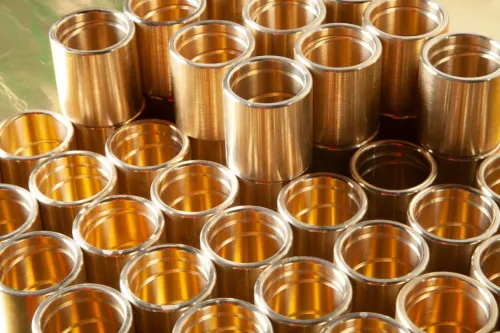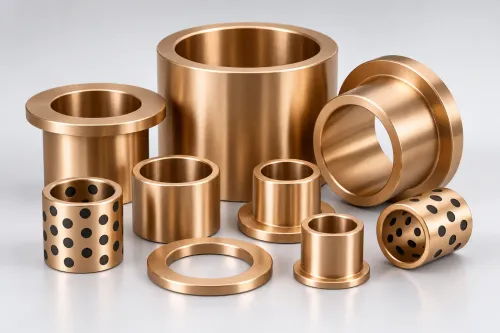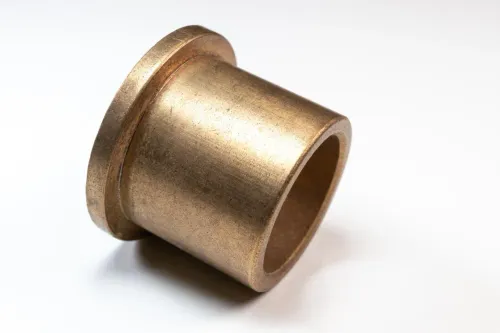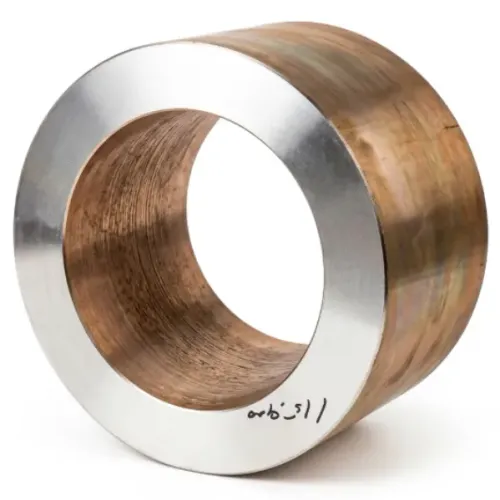

Centrifugal castings are high-quality metal components produced using the centrifugal casting process, a specialized manufacturing technique that uses centrifugal force to distribute molten metal inside a rotating mold. This process results in dense, strong, and defect-free castings with superior mechanical properties and excellent durability.
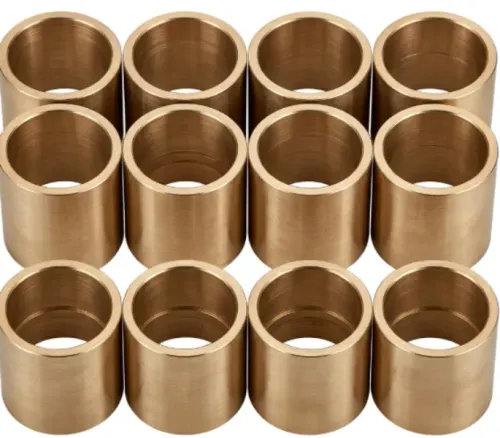
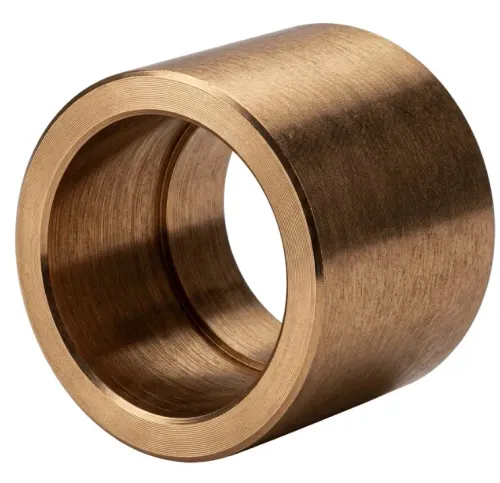
Centrifugal castings are widely used in heavy engineering, mining equipment, marine applications, power plants, steel mills, cement plants, and industrial machinery. The process is particularly ideal for producing cylindrical and hollow components such as pipes, bushings, sleeves, rings, and liners.
Because of its ability to produce high-strength castings with minimal defects, centrifugal casting is considered one of the most reliable metal casting methods used in modern manufacturing industries.
What are Centrifugal Castings?
Centrifugal castings are metal parts created by pouring molten metal into a rotating mold. The rotation creates centrifugal force, which pushes the molten metal outward against the mold walls.
This process ensures that:
Dense metal structure is formed
Gas bubbles and impurities move toward the center
Uniform grain structure is achieved
Strong and durable castings are produced
The inner layer containing impurities can be easily removed during machining, leaving behind a high-quality metal component.
Centrifugal Casting Manufacturing Process
1. Mold Preparation
The process begins by preparing a cylindrical mold made of steel or cast iron. The mold surface is coated with refractory materials to prevent metal sticking and to improve surface finish.
2. Mold Rotation
The mold is rotated at high speeds using a centrifugal casting machine. The speed depends on the size and type of casting being produced.
3. Pouring Molten Metal
Molten metal such as bronze, gun metal, stainless steel, cast iron, or alloy steel is poured into the spinning mold.
4. Metal Distribution
Due to centrifugal force, the molten metal spreads evenly along the mold walls, forming a dense and uniform layer.
5. Solidification
The metal cools and solidifies while the mold continues to rotate, ensuring uniform grain structure and eliminating porosity.
6. Removal and Machining
After cooling, the casting is removed from the mold and machined to achieve precise dimensions and smooth finishes.
Advantages of Centrifugal Castings
High Density and Strength
Centrifugal castings are extremely dense and strong because the centrifugal force eliminates gas pockets and shrinkage defects.
Superior Mechanical Properties
The casting process produces components with improved tensile strength, durability, and wear resistance.
Uniform Grain Structure
Centrifugal casting produces a fine and consistent grain structure, which enhances the mechanical performance of the metal.
Reduced Defects
Common casting defects such as porosity, cavities, and inclusions are minimized due to the centrifugal force.
Excellent Surface Finish
Centrifugal castings typically have a smooth outer surface that requires minimal machining.
Long Service Life
The improved structural integrity ensures long operational life even in demanding industrial environments.
Types of Metals Used in Centrifugal Castings
Centrifugal casting can be used with various metals and alloys depending on industrial requirements.
Bronze
Bronze centrifugal castings are commonly used for bushings, bearings, and sleeves because of their excellent wear resistance.
Cast Iron
Cast iron centrifugal castings are used in pipes, cylinders, and engine components.
Stainless Steel
Stainless steel centrifugal castings offer corrosion resistance and strength, making them ideal for chemical and marine industries.
Alloy Steel
Alloy steel castings are used in high-temperature and high-pressure industrial applications.
Gun Metal
Gun metal centrifugal castings are widely used in pumps, valves, and marine fittings.
Applications of Centrifugal Castings
Centrifugal castings are widely used across various industries due to their high strength and reliability.
Steel Plants
Used in rollers, bushings, guide sleeves, and heavy machinery components.
Marine Industry
Centrifugal castings are used for propeller shafts, bearings, pump housings, and marine equipment.
Mining Industry
Mining equipment requires highly durable components such as liners, sleeves, and bushings produced through centrifugal casting.
Cement Plants
Cement manufacturing machinery uses centrifugal castings for wear-resistant components.
Power Generation
Turbines, pumps, and generators use centrifugal cast components because of their strength and durability.
Oil and Gas Industry
High-pressure pumps and drilling equipment use centrifugal cast components for reliable performance.
Common Products Manufactured Using Centrifugal Casting
Manufacturers produce a wide range of industrial products using centrifugal casting technology, including:
Bushings and Bearings
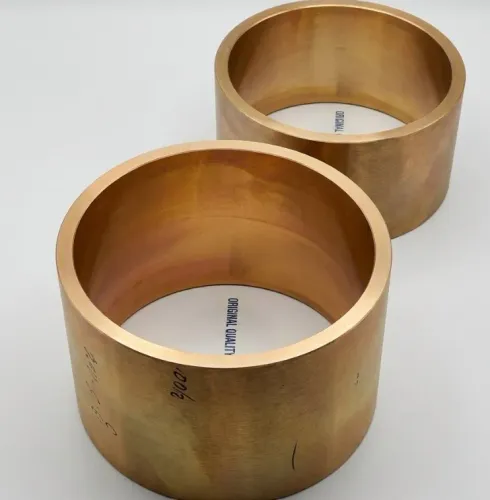
Sleeves and Rings
Hollow Bars
Pipes and Cylinders
Liners and Tubes
Flanges
Pump Components
Valve Components
These products are designed for high-performance industrial operations where durability and reliability are essential.
Quality Control in Centrifugal Castings
High-quality centrifugal castings require strict quality control procedures to ensure reliability and performance.
Common testing methods include:
Chemical composition testing
Ultrasonic testing
Hardness testing
Dimensional inspection
Microstructure testing
These quality checks ensure the castings meet international industry standards and perform efficiently in demanding conditions.
Why Choose Centrifugal Castings?
Centrifugal casting offers several benefits compared to traditional casting methods. It provides:
Higher metal purity
Improved strength and durability
Reduced casting defects
Longer service life
Cost-effective production
For industries that require reliable and high-strength metal components, centrifugal castings remain one of the most efficient and trusted manufacturing solutions.
Conclusion
Centrifugal castings play a vital role in modern manufacturing industries by providing durable, high-performance metal components used in heavy machinery and industrial equipment. The centrifugal casting process ensures superior strength, excellent wear resistance, and long service life, making it ideal for demanding applications.
From steel plants and marine equipment to power generation and mining industries, centrifugal castings continue to support critical industrial operations worldwide.
Manufacturers offering customized centrifugal casting solutions ensure precise engineering, strict quality standards, and reliable performance for a wide range of industrial applications.
Keywords