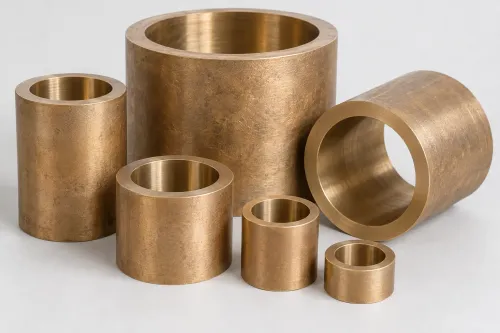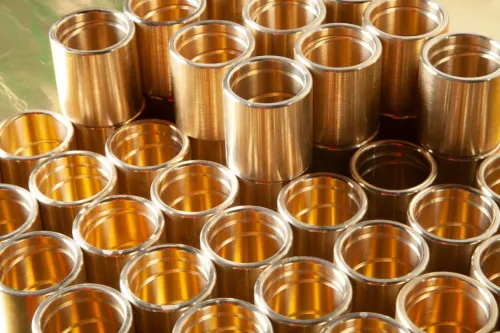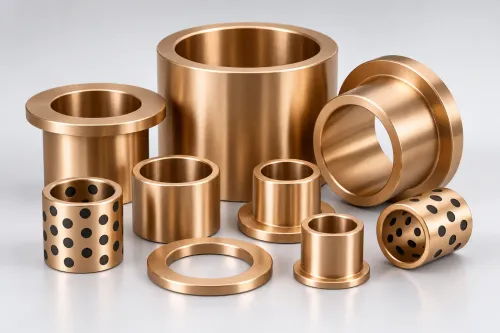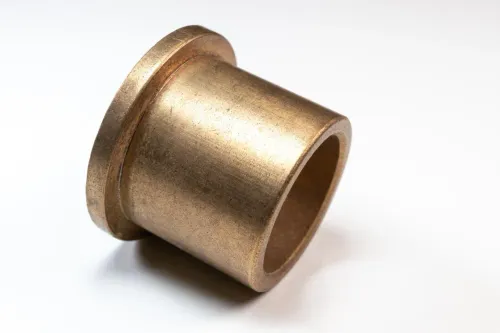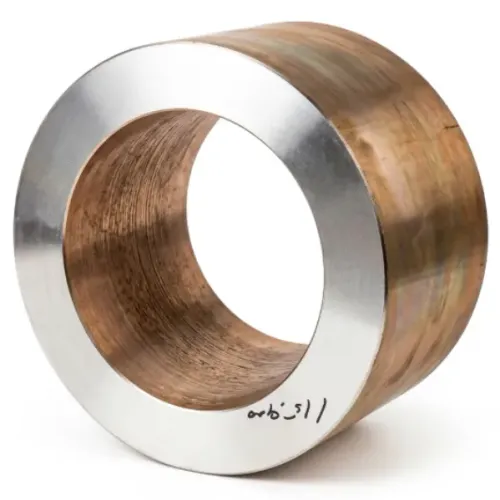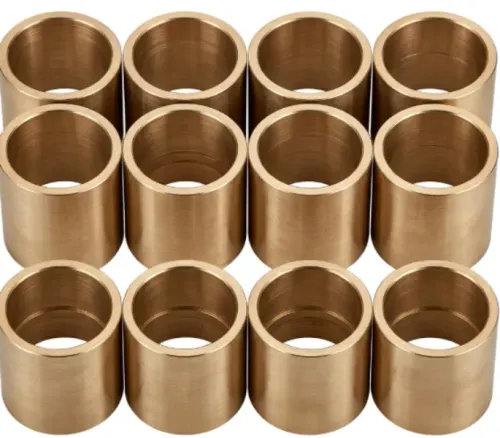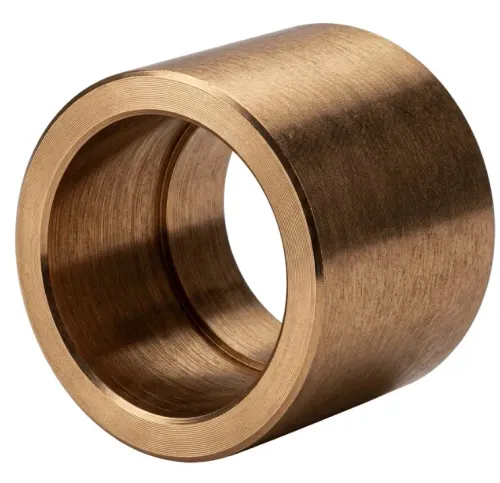

Aluminium Bronze Centrifugal Casting is a highly advanced metal casting process used to manufacture strong, durable, and corrosion-resistant components. Aluminium bronze alloys are widely used in industries that require exceptional mechanical strength, wear resistance, and superior performance in harsh environments. When combined with the centrifugal casting method, aluminium bronze becomes one of the most reliable materials for producing high-precision cylindrical components such as bushes, sleeves, bearings, rings, hollow bars, and tubes.
Centrifugal casting is a specialized process where molten metal is poured into a rotating mold. The centrifugal force generated during rotation pushes the molten metal against the mold walls, ensuring a dense, defect-free structure. This technique eliminates impurities, gas pockets, and porosity, resulting in components with superior mechanical properties and longer service life.
Aluminium bronze centrifugal castings are widely used in marine, power generation, steel plants, heavy engineering, mining equipment, pumps, valves, and shipbuilding industries. Due to its excellent resistance to corrosion, wear, and fatigue, aluminium bronze has become one of the most trusted materials for critical engineering applications.
What is Aluminium Bronze?
Aluminium bronze is a copper-based alloy that primarily contains aluminium as the main alloying element, typically ranging between 5% and 12% aluminium. It may also include other elements such as iron, nickel, manganese, and silicon to enhance strength and corrosion resistance.
This alloy offers an excellent combination of high strength, hardness, ductility, and resistance to oxidation and seawater corrosion. These properties make aluminium bronze ideal for components operating under heavy loads, high friction, and extreme environmental conditions.
Key characteristics of aluminium bronze include:
High mechanical strength
Excellent wear resistance
Outstanding corrosion resistance
High fatigue strength
Good thermal conductivity
Resistance to cavitation and erosion
Because of these qualities, aluminium bronze centrifugal castings are often used in high-performance industrial machinery.
Centrifugal Casting Process for Aluminium Bronze
The centrifugal casting process plays a crucial role in improving the overall quality and performance of aluminium bronze components. This method is particularly suitable for producing hollow cylindrical parts with uniform density and exceptional structural integrity.
Step-by-Step Casting Process
1. Mold Preparation
The process begins with preparing a cylindrical metal mold. The mold is thoroughly cleaned and coated with a refractory lining to prevent the molten metal from sticking and to improve surface finish.
2. Mold Rotation
Once prepared, the mold is rotated at high speeds using a centrifugal casting machine. The rotational speed is carefully controlled based on the size and weight of the casting.
3. Melting the Aluminium Bronze Alloy
The aluminium bronze alloy is melted in a furnace at extremely high temperatures. The molten metal is refined to remove impurities and ensure consistent chemical composition.
4. Pouring the Molten Metal
The molten aluminium bronze is poured into the rotating mold. Due to the centrifugal force generated by the rotating mold, the metal spreads evenly along the mold walls.
5. Solidification Under Pressure
The centrifugal force forces heavier metal particles toward the outer wall while lighter impurities move toward the center. This natural separation produces a dense, high-quality casting.
6. Cooling and Removal
After solidification, the casting is cooled and removed from the mold. The component is then machined and finished according to the required dimensions and specifications.
Advantages of Aluminium Bronze Centrifugal Casting
Aluminium bronze centrifugal casting offers several advantages compared to traditional casting methods such as sand casting or gravity casting.
1. High Structural Integrity
Centrifugal casting produces extremely dense metal structures with minimal porosity. This ensures superior strength and reliability, especially for heavy-duty applications.
2. Superior Mechanical Properties
The rapid solidification under centrifugal force improves the grain structure of the metal, resulting in better hardness, toughness, and wear resistance.
3. Excellent Surface Finish
Components produced through centrifugal casting have smooth surfaces and require minimal machining. This reduces production time and cost.
4. Reduced Material Defects
The centrifugal force pushes impurities toward the inner surface, which can later be removed during machining. This results in cleaner and stronger castings.
5. Cost Efficiency
Since the process produces near-net-shape components, it reduces material wastage and machining costs.
6. Longer Service Life
Aluminium bronze centrifugal castings are known for their exceptional durability and long operational life even in demanding environments.
Applications of Aluminium Bronze Centrifugal Castings
Aluminium bronze centrifugal castings are widely used across multiple industrial sectors due to their exceptional durability and corrosion resistance.
Marine Industry
In marine environments, components are constantly exposed to seawater, which can cause severe corrosion. Aluminium bronze is highly resistant to seawater corrosion, making it ideal for marine equipment such as:
Propeller shafts
Marine bearings
Pump components
Shipbuilding bushings
Power Generation
Power plants require durable components that can withstand high pressure, heat, and mechanical stress. Aluminium bronze centrifugal castings are used in:
Turbine bushings
Pump sleeves
Valve components
Steel and Heavy Engineering
Steel plants and heavy engineering industries rely on high-strength bushings and bearings. Aluminium bronze centrifugal castings provide excellent wear resistance for:
Rolling mill bushings
Industrial bearings
Heavy machinery components
Mining and Construction Equipment
Mining equipment operates in extremely harsh environments with heavy loads and continuous friction. Aluminium bronze components offer superior durability in:
Excavators
Crushers
Hydraulic machinery
Pumps and Valves
Aluminium bronze centrifugal casting is widely used in manufacturing:
Pump housings
Valve seats
Impellers
Pump shafts
These components require excellent corrosion resistance and mechanical strength.
Types of Aluminium Bronze Centrifugal Cast Components
Manufacturers produce a wide variety of industrial components using aluminium bronze centrifugal casting technology.
Aluminium Bronze Bushes
Bushes are cylindrical components used to reduce friction between moving parts. Aluminium bronze bushes are highly durable and commonly used in heavy machinery.
Aluminium Bronze Sleeves
Sleeves are used to protect shafts from wear and corrosion. Centrifugal casting ensures uniform wall thickness and high strength.
Aluminium Bronze Hollow Bars
Hollow bars are widely used for machining customized components. They are produced with excellent density and minimal defects.
Aluminium Bronze Bearings
Bearings made from aluminium bronze provide smooth operation and excellent load-bearing capacity.
Aluminium Bronze Rings
Rings are used in mechanical assemblies where durability and corrosion resistance are essential.
Quality Control in Aluminium Bronze Centrifugal Casting
High-quality aluminium bronze centrifugal casting requires strict quality control procedures. Manufacturers ensure the reliability of cast components through various testing methods:
Chemical composition testing
Ultrasonic testing
Mechanical strength testing
Hardness testing
Dimensional inspection
These tests ensure that the cast components meet international quality standards and industrial requirements.
Why Choose Aluminium Bronze for Industrial Components?
Aluminium bronze is considered one of the best materials for high-performance industrial applications due to its exceptional properties. It offers a unique balance between strength, durability, and corrosion resistance.
Industries prefer aluminium bronze centrifugal castings because they provide:
Higher load-bearing capacity
Longer service life
Reduced maintenance costs
Superior resistance to corrosion and wear
These benefits make aluminium bronze a reliable material for critical engineering components.
Conclusion
Aluminium Bronze Centrifugal Casting is an advanced manufacturing process used to produce high-strength, corrosion-resistant, and durable industrial components. By combining the superior properties of aluminium bronze with the efficiency of centrifugal casting, manufacturers can produce high-quality cylindrical parts with exceptional structural integrity.
This process is widely used in industries such as marine engineering, power generation, mining, heavy machinery, steel plants, and pump manufacturing. Components produced through aluminium bronze centrifugal casting offer long service life, minimal defects, and outstanding mechanical performance.
As industries continue to demand stronger and more reliable materials, aluminium bronze centrifugal casting remains one of the most trusted solutions for manufacturing precision industrial components.
Keywords