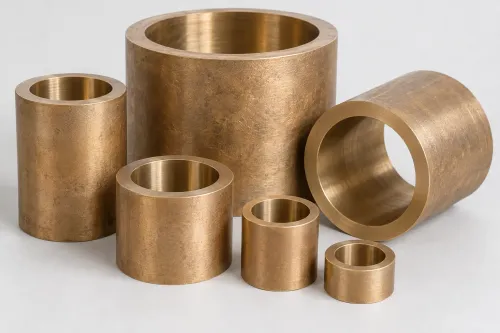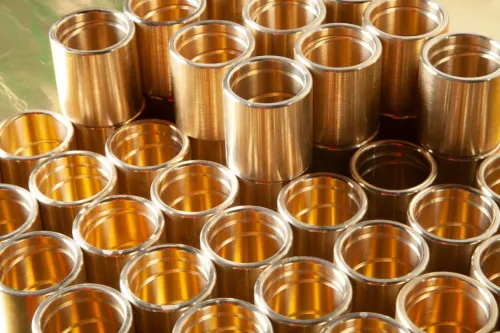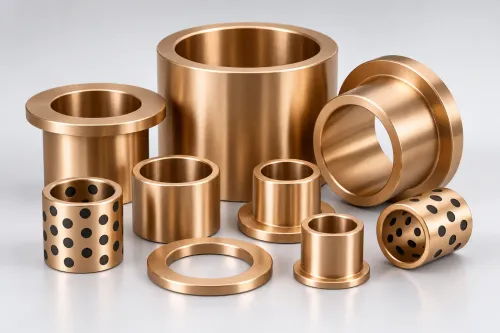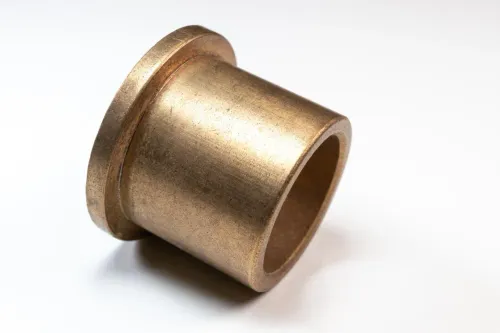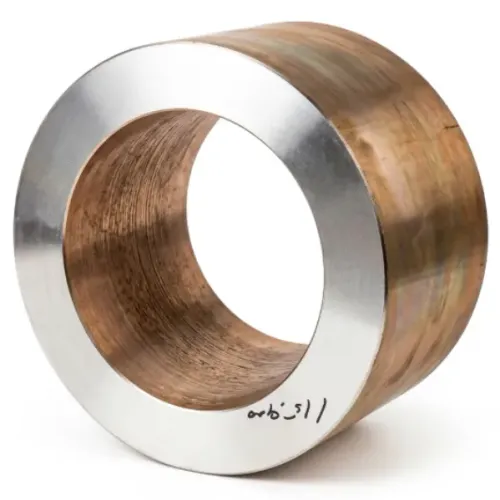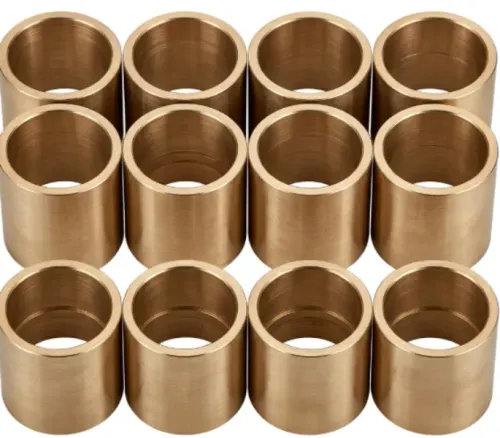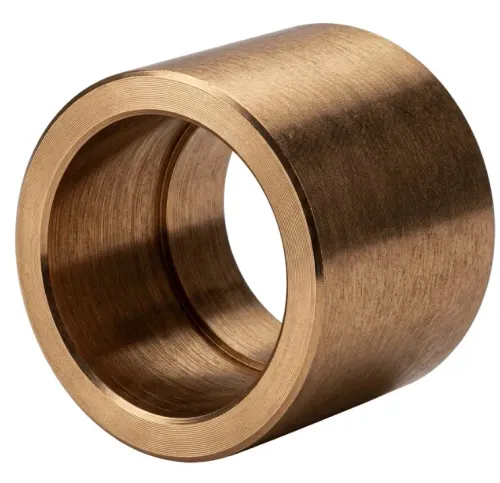

Aluminium Bronze Casting is a high-performance copper-based alloy casting process widely used in industries that require exceptional strength, corrosion resistance, and wear resistance. Aluminium bronze alloys typically contain copper with 5%–12% aluminium, along with small additions of iron, nickel, or manganese to enhance mechanical and chemical properties.
Due to its superior durability and resistance to harsh environments, aluminium bronze casting is widely used in marine equipment, heavy machinery, pumps, valves, bearings, and industrial components. Manufacturers prefer aluminium bronze castings for applications where traditional bronze or brass cannot provide sufficient strength or corrosion protection.
This alloy is especially valued in industries such as shipbuilding, oil & gas, mining, power generation, and chemical processing, where components must withstand extreme loads, friction, and corrosive environments.
What is Aluminium Bronze?
Aluminium bronze is a copper-based alloy that contains aluminium as the main alloying element. The addition of aluminium improves:
Mechanical strength
Oxidation resistance
Wear resistance
Corrosion resistance
Compared with standard bronze alloys, aluminium bronze offers significantly higher hardness and tensile strength, making it ideal for heavy-duty engineering applications.
Typical aluminium bronze compositions include:
Copper (Cu) – 85% to 92%
Aluminium (Al) – 5% to 12%
Iron (Fe) – 2% to 5%
Nickel (Ni) – 0% to 5%
These compositions create an alloy that performs exceptionally well under high pressure, high temperature, and aggressive environments.
Aluminium Bronze Casting Process
The aluminium bronze casting process involves several steps to ensure high-quality and defect-free cast components.
1. Raw Material Selection
High-purity copper and aluminium are carefully selected to maintain the correct alloy composition.
2. Melting
The metals are melted in induction or electric furnaces at temperatures around 1100°C to 1200°C.
3. Alloying
Additional elements such as iron, nickel, or manganese are added to improve the mechanical properties of the alloy.
4. Mould Preparation
Different casting methods may be used, including:
Sand Casting
Centrifugal Casting
Investment Casting
Continuous Casting
Each method is chosen depending on the size, shape, and required mechanical properties of the final product.
5. Pouring
Molten aluminium bronze is poured into moulds where it solidifies into the desired shape.
6. Cooling and Solidification
Controlled cooling ensures uniform grain structure and improved strength.
7. Machining & Finishing
After casting, components undergo machining, grinding, and polishing to meet precise engineering tolerances.
Key Properties of Aluminium Bronze Castings
Aluminium bronze is known for its outstanding physical and mechanical properties.
1. High Strength
Aluminium bronze is one of the strongest copper alloys, capable of withstanding heavy loads and mechanical stress.
2. Excellent Corrosion Resistance
The alloy forms a protective oxide layer, making it highly resistant to:
Seawater corrosion
Chemical corrosion
Atmospheric corrosion
3. Superior Wear Resistance
Due to its hardness, aluminium bronze offers excellent resistance against abrasion and friction.
4. Non-sparking Property
Aluminium bronze does not easily produce sparks, making it suitable for hazardous environments such as oil and gas industries.
5. High Temperature Resistance
The alloy maintains its strength even at elevated temperatures, making it ideal for industrial machinery components.
Advantages of Aluminium Bronze Casting
Aluminium bronze castings provide several advantages over other metal alloys.
Durability
Components made from aluminium bronze have long service life even in extreme conditions.
Reduced Maintenance
The alloy’s resistance to corrosion and wear reduces maintenance and replacement costs.
High Load Bearing Capacity
Aluminium bronze can withstand heavy loads and pressure, making it suitable for heavy machinery.
Excellent Machinability
Despite its strength, aluminium bronze can be machined and finished to high precision.
Environment Resistance
The material performs exceptionally well in marine, chemical, and industrial environments.
Common Aluminium Bronze Casting Products
Aluminium bronze casting is widely used to manufacture various industrial components, including:
Bushes and Bearings
Marine Propellers
Pump Components
Valve Bodies
Gears
Wear Plates
Impellers
Industrial Fittings
Heavy Duty Bearings
Mining Equipment Parts
These components benefit from aluminium bronze’s high wear resistance and corrosion protection.
Industrial Applications of Aluminium Bronze Casting
Marine Industry
Aluminium bronze is highly resistant to seawater corrosion, making it ideal for:
Ship propellers
Marine pump parts
Valve components
Offshore equipment
Oil and Gas Industry
Because of its non-sparking properties, aluminium bronze is widely used in:
Drilling equipment
Oil pumps
Industrial valves
Power Plants
Power generation industries use aluminium bronze for:
Turbine components
High-strength bearings
Heavy load bushings
Mining Industry
Mining equipment requires materials that can withstand abrasion and impact, making aluminium bronze a perfect choice.
Chemical Processing Industry
Due to its resistance to chemicals, aluminium bronze is used in:
Chemical pumps
Industrial valves
Processing equipment
Aluminium Bronze Casting vs Other Bronze Alloys
Property Aluminium Bronze Phosphor Bronze Gun Metal
Strength Very High Medium Medium
Corrosion Resistance Excellent Good Good
Wear Resistance Excellent Good Moderate
Marine Use Excellent Moderate Moderate
This comparison clearly shows why aluminium bronze is often preferred for high-performance industrial applications.
Quality Control in Aluminium Bronze Casting
To ensure the highest quality castings, manufacturers implement strict quality control measures such as:
Chemical composition analysis
Ultrasonic testing
Mechanical strength testing
Dimensional inspection
Surface finish evaluation
These tests ensure that the cast components meet international industrial standards and customer requirements.
Why Aluminium Bronze Castings are the Preferred Industrial Choice
Modern industries require materials that combine strength, durability, and corrosion resistance. Aluminium bronze castings meet these requirements perfectly. Their ability to perform under extreme pressure, temperature, and corrosive environments makes them indispensable in heavy engineering sectors.
With continuous advancements in casting technology, aluminium bronze components are now manufactured with greater precision, improved microstructure, and enhanced mechanical properties, making them even more reliable for industrial applications.
✔ Conclusion
Aluminium bronze casting is one of the most reliable and versatile casting processes used in modern industries. Its exceptional combination of strength, corrosion resistance, wear resistance, and durability makes it ideal for manufacturing high-performance industrial components.
From marine equipment and heavy machinery to pumps, valves, and mining components, aluminium bronze castings play a critical role in ensuring long-lasting performance and operational reliability.
Keywords